Google bets on MrBeast instead of benchmarks: Gemini's survival stunt is a distribution play

🕒 Published on Zendoric: September 2, 2026 · 08:27
✨ AI-generated · how it's made
Google has signed a multi-year deal with MrBeast to put Gemini, Google Health and the Fitbit Air inside the world's biggest YouTube channel, starting with a September 5 survival video shot in the jungle, the desert and the Arctic. It is the clearest sign yet that the AI race is being fought over attention, not leaderboards. The wearable half of the deal matters more than the survival stunt — and both deserve very different levels of trust.
📚 Go deeper
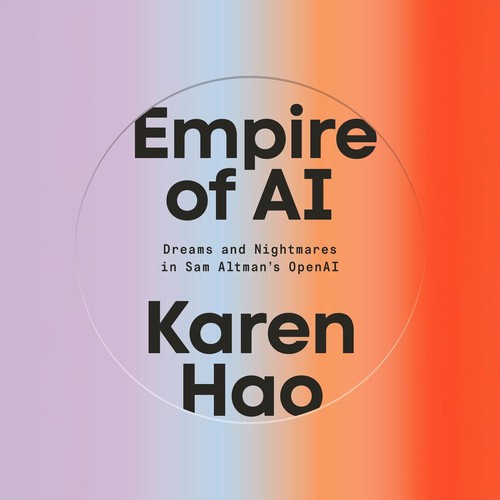
The definitive piece of investigative journalism on OpenAI: 260+ interviews, the clash between safety and speed, and the attempted firing of Sam Altma
As an Amazon Associate, Zendoric earns from qualifying purchases; the price does not change for you. · all our recommended books →
Google is putting its assistant in the hands of the biggest creator on YouTube. According to The Verge, Jimmy "MrBeast" Donaldson has signed a multi-year partnership with Google that will feature Gemini, Google Health and the Fitbit Air in upcoming videos. The first drops on September 5: Donaldson and his crew race through three of the planet's harshest environments — jungle, desert and Arctic — using Gemini, in Google's words, to "identify dangers, survive brutal weather changes, and stay one step ahead." Google says Donaldson will also wear a Fitbit Air in one challenge and appear in a Gemini ad campaign.
The context explains the price tag more than the product does. Donaldson's channel became the first to cross 500 million subscribers a couple of months ago — an audience larger than the population of any country outside China and India. And The Verge notes a recent Bloomberg report that YouTube has been offering prominent creators deals to keep their content exclusive to the platform, as more of them sign with Netflix. So this is two negotiations wearing one jacket: Google Cloud's parent buying mainstream mindshare for Gemini, and YouTube defending its supply of top-tier creators. Sponsorship and platform retention have merged.
It also tells you where Google thinks it can win. On the hardest technical measures, Gemini 3 Pro is not the frontier: in our own Zendoric Quality index (SWE-bench-Pro, LMArena and Terminal-Bench in equal parts) it sits around 66, against roughly 90 for Anthropic's Fable 5 and 79 for OpenAI's GPT-5.6 Sol — behind China's GLM-5.2 too. Google's structural advantage was never the smartest model; it is Android, Search, YouTube, Chrome and now a 500-million-subscriber front page. This is the same pattern we flagged in the Google–Microsoft distribution fight: when models converge, the winner is whoever owns the pipes and the eyeballs, not whoever tops the eval table.
Which is exactly why the survival framing deserves scepticism. A produced, edited, sponsored video is entertainment, not evidence. Nobody publishes the prompts where the model misidentified a plant, misread a weather pattern or confidently invented a river. Current assistants still hallucinate, and wilderness survival is the textbook case of a domain where a fluent wrong answer is worse than no answer. Google is not claiming Gemini is a survival tool — the claim lives in the edit, in the implication that the assistant kept the crew safe. That gap between demonstrated capability and dramatised capability is the one thing viewers will not be shown.
The Google Health and Fitbit Air half is quieter and far more consequential. Continuous physiological data plus models that spot deviations before symptoms appear is one of the few AI applications with a credible path to longer, healthier lives — the horizon we actually care about. But the evidence base so far rewards narrow, supervised tools, not oracles: the FDA has now cleared 1,524 medical algorithms, three quarters of them in radiology, and the standout result remains the MASAI trial, where AI-assisted screening across 105,000 women lifted breast-cancer detection about 29%. Those are bounded systems checked by specialists. A wristband coaching a YouTube stunt is not in that category, and normalising the two as the same thing is how trust gets spent early.
Our reading: this deal is a signal about the market, not about the technology. Google is converting distribution into default behaviour — teaching hundreds of millions of people that "ask Gemini" is what you do when you don't know something — and it is doing so from second or third place on capability. Short term, expect more of this: AI marketing migrating from benchmark charts to lifestyle content, where claims are implied rather than measured and therefore never falsified. Long term, we still think ambient health sensing paired with good models is one of the routes to preventing disease rather than treating it late. Both things can be true. The discipline is to keep judging Gemini by what it does in independent tests, and to treat a survival video as what it is — a very expensive ad with excellent scenery.
📚 Go deeper
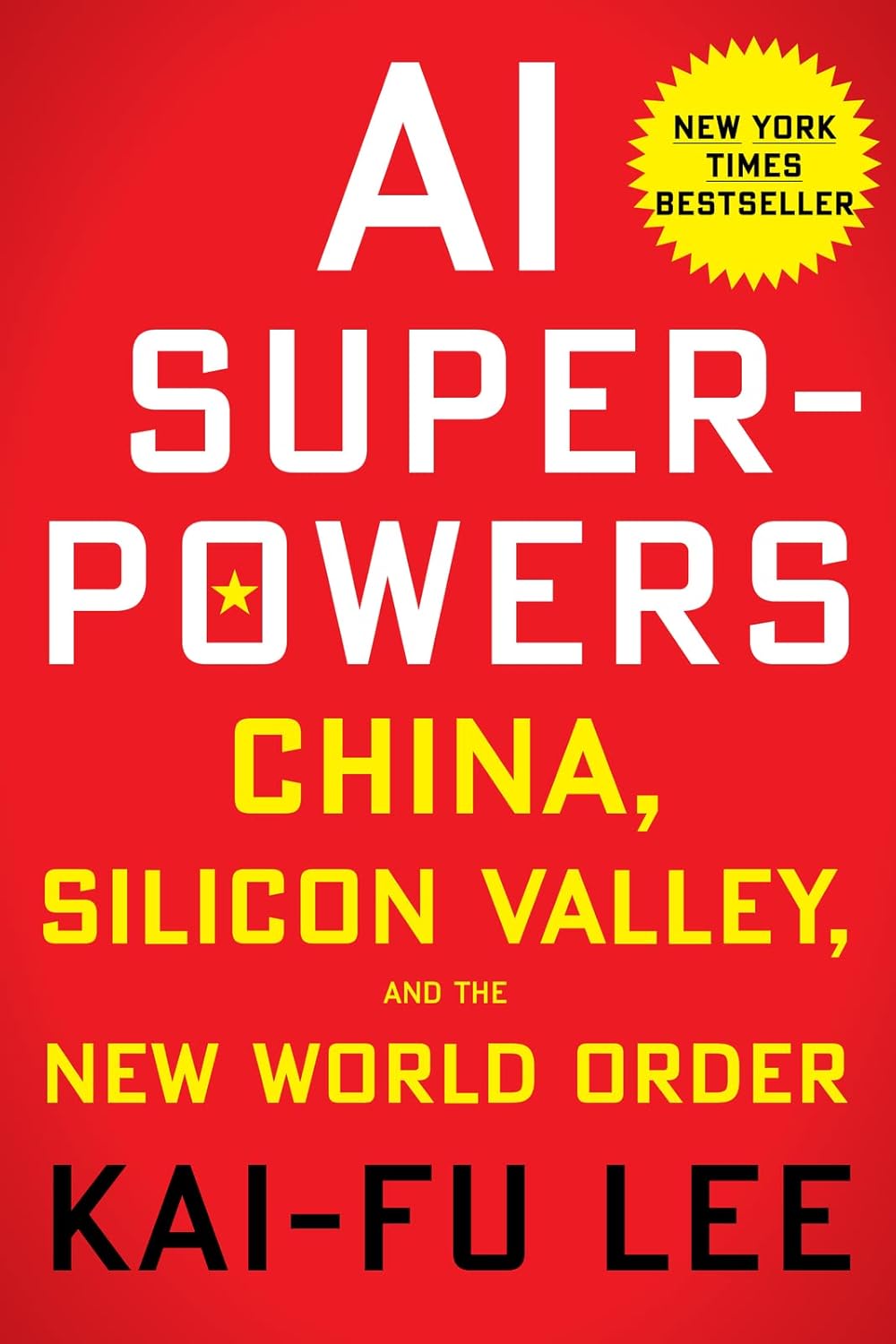
China vs.
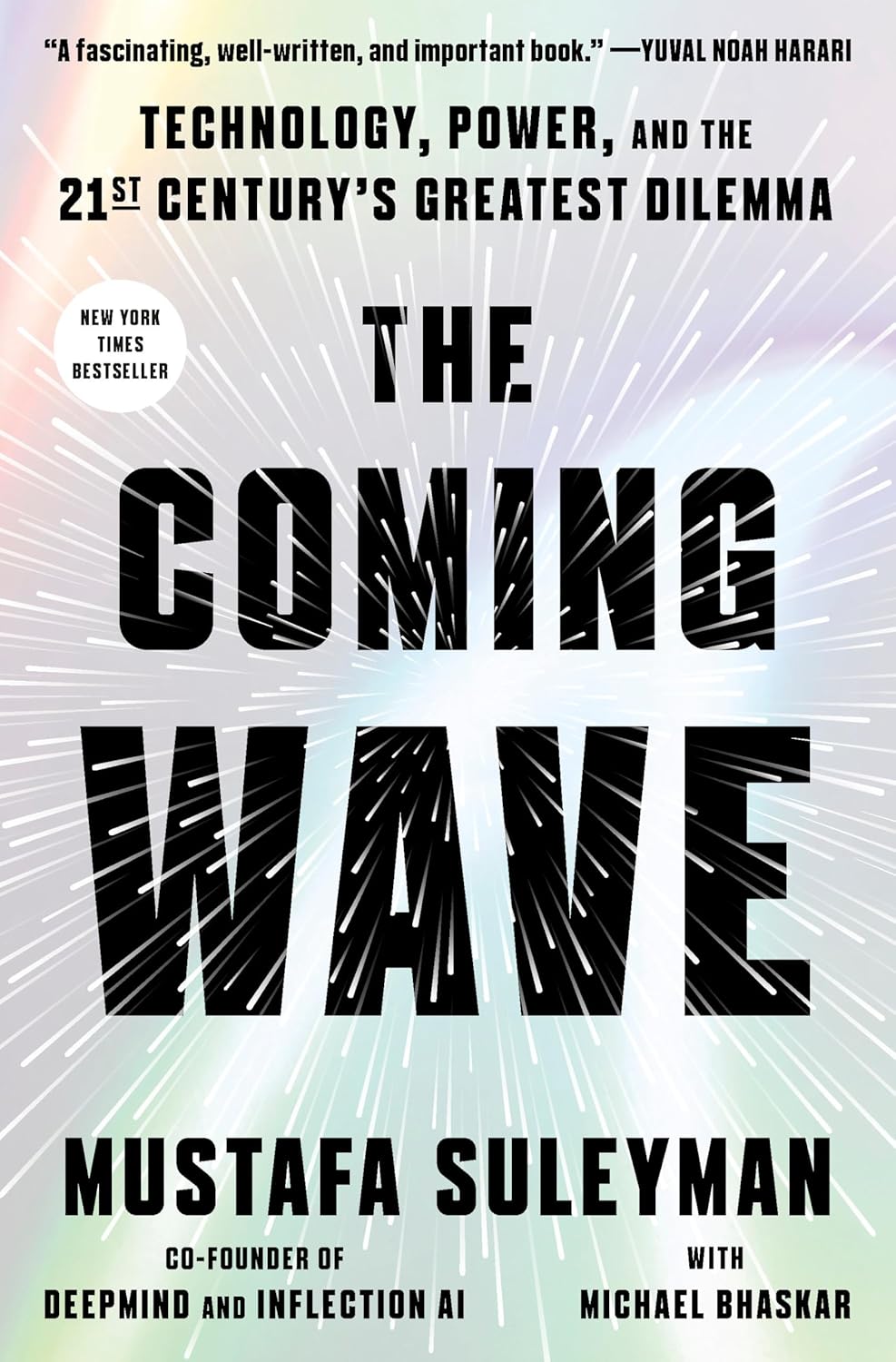
DeepMind co-founder on the dilemma of containing technologies that do not want to be contained.
As an Amazon Associate, Zendoric earns from qualifying purchases; the price does not change for you. · all our recommended books →
🔗 Related on Zendoric
- The brain drain from Google to OpenAI and Anthropic shows that in AI money is no longer enough to retain talent · 2026-06-25
- Google rations Meta's access to Gemini: AI demand overwhelms even the giant's infrastructure · 2026-06-28
- Specialized mental health AI versus everyday ChatGPT: the battle no one can win by ignoring the user · 2026-06-28