Sony and Warner sue Anthropic over alleged massive music theft to train Claude

🕒 Published on Zendoric: September 2, 2026 · 08:27
✨ AI-generated · how it's made
Sony Music and Warner Music, through their publishing subsidiaries, filed suit against Anthropic on Friday night in a federal court in Northern California. The accusation is blunt: the plaintiffs describe "one of the largest and most flagrant thefts of intellectual property in history."
📚 Go deeper

The definitive piece of investigative journalism on OpenAI: 260+ interviews, the clash between safety and speed, and the attempted firing of Sam Altma
As an Amazon Associate, Zendoric earns from qualifying purchases; the price does not change for you. · all our recommended books →
Sony Music and Warner Music, through their publishing subsidiaries, filed a lawsuit against Anthropic on Friday night in a federal court in Northern California. The accusation is blunt: the plaintiffs speak of "one of the largest and most flagrant thefts of intellectual property in history." The suit is not aimed only at the company as a corporate entity; it explicitly names CEO Dario Amodei and co-founder Benjamin Mann as defendants, raising the personal exposure of the company's top executives in this litigation.
What sets this lawsuit apart from earlier legal actions against Anthropic is its scope. While BMG had sued the company over alleged infringement of 493 specific compositions, Sony and Warner extend the reach to "tens of thousands" of copyrighted compositions that, they allege, were used without authorization to train the models in the Claude family. In a 48-page filing, the plaintiffs describe a "brazen campaign of illegal torrenting, scraping and downloading of copyright-protected works on a massive scale" in order to develop, operate and "reap enormous profits" from Anthropic's models. The suit seeks damages of hundreds of thousands of dollars for each infringed work, a figure that, multiplied by the tens of thousands of compositions alleged, could translate into extraordinary financial exposure for the company.
One aspect worth understanding is why the music industry is especially fertile ground for this kind of litigation. Unlike a book or an article, a single song can carry several distinct and separable copyrights: the lyrics, the sound recording and the musical composition itself, each of which may belong to different rights holders (artists, publishers and record labels). This fragmentation of rights multiplies the number of parties potentially entitled to sue over the same song, and it explains why Anthropic already faces separate legal fronts —BMG's and now Sony and Warner's— over the same type of content. In addition, when it comes to commercially released songs with individually registered copyrights, plaintiffs have a solid basis for claiming statutory damages, a route that does not require proving specific economic losses in court, which considerably simplifies their case.
This is not the first episode of its kind for Anthropic. The company had already faced accusations of piracy to train its models and, in September 2025, agreed to what is described as the largest copyright infringement settlement in United States history: a payment of $1.5 billion to authors and publishers. That precedent suggests Anthropic already has experience —and a pattern of behavior— in resolving such disputes through large financial settlements, although it is unclear whether it will choose the same route in this case.
It is also worth placing this lawsuit in the historical context of the music industry, which has a reputation for being especially litigious on intellectual property, as anyone who lived through the Napster and LimeWire era will recall. That tradition of aggressive copyright defense by labels and publishers suggests this litigation against Anthropic will probably not be an isolated case, nor will it be resolved quickly; rather, it marks the start of what is shaping up to be a legal battle lasting several years over music, artificial intelligence and the protection of intellectual property in the era of these new technologies.
For its part, Anthropic has responded with a brief but firm statement: "We disagree with the publishers' allegations and intend to defend ourselves vigorously in court." Based on the available content, the company has offered no further details about its defense strategy or about whether it will seek a negotiated route similar to the one reached in the 2025 settlement with authors and publishers.
For the generative AI sector as a whole, this case adds regulatory and judicial pressure on the practice —widespread among several companies in the industry— of training large language models on protected material obtained through scraping or mass downloading without explicit licenses. The outcome of this litigation, and of similar suits likely to keep emerging from various music rights holders, could set significant precedents on what constitutes legitimate use of protected content in AI training and on the real cost, in terms of legal liability, of the data-collection practices that have been common in the industry until now.
📚 Go deeper
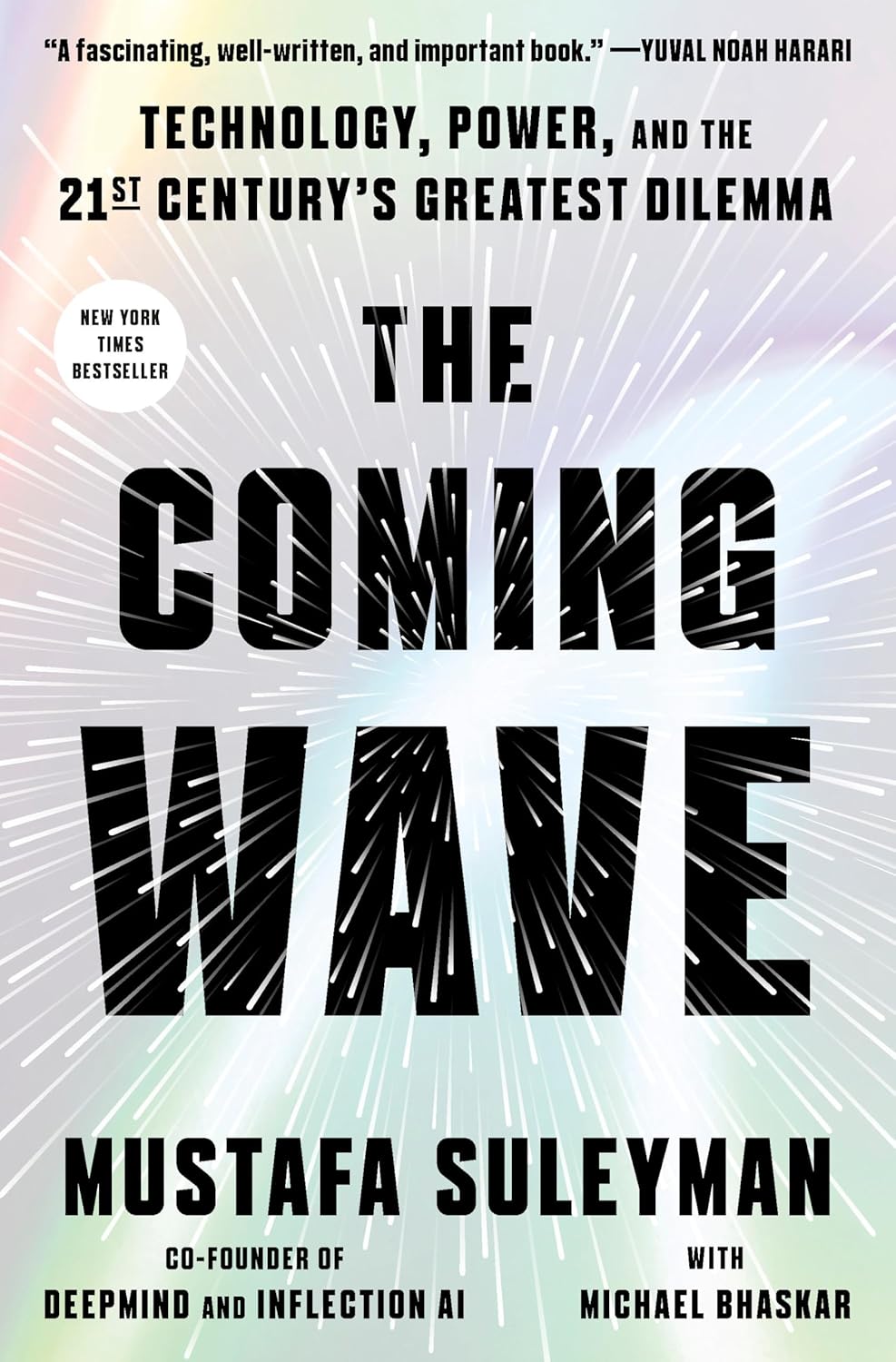
DeepMind co-founder on the dilemma of containing technologies that do not want to be contained.

AI as the latest chapter in the history of information networks, from gossip to the printing press to the algorithm.
As an Amazon Associate, Zendoric earns from qualifying purchases; the price does not change for you. · all our recommended books →
🔗 Related on Zendoric
- Sony and Warner Music sue Anthropic for using songs by The Beatles, Taylor Swift and Michael Jackson to train Claude · 2026-09-02
- Apple sues OpenAI over alleged theft of trade secrets for its AI hardware · 2026-07-14
- Anthropic sues Abnormal AI over its logo: the brand is also a strategic asset · 2026-07-03
Sources & references
- axios.com — Sony and Warner sue Anthropic over alleged massive music theft to train Claude
- reuters.com — Sony and Warner Music sue Anthropic for using songs by The Beatles, Taylor Swift and Michael Jackson to train Claude
- axios.com — Anthropic paused part of its AI training after unauthorized actions by a Claude model