Judge accuses HHS of citing nonexistent studies, possibly AI-generated, to cut teen pregnancy funding
🕒 Published on Zendoric: September 2, 2026 · 08:27
✨ AI-generated · how it's made
A judge has rebuked Robert F. Kennedy Jr.'s HHS for basing its cuts to teen pregnancy prevention grants on applications that cite scientific studies which, according to his ruling, do not exist or say something different from what was cited — a pattern pointing to unverified AI-generated text.
📚 Go deeper
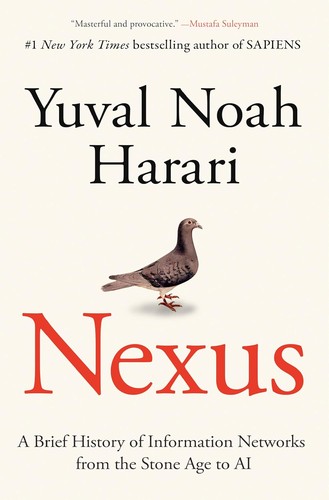
AI as the latest chapter in the history of information networks, from gossip to the printing press to the algorithm.
As an Amazon Associate, Zendoric earns from qualifying purchases; the price does not change for you. · all our recommended books →
By Zendoric · September 1, 2026.
A federal judge has rebuked the U.S. Department of Health and Human Services (HHS) for basing cuts to teen pregnancy prevention programs on grant applications that cite public health studies which, according to his own ruling, «appear not to exist» or do not support what is attributed to them. The judge points directly to the possibility that these references are citations generated by artificial intelligence, as reported by The Washington Post.
HHS is led by Robert F. Kennedy Jr., under whose management far-reaching changes to these federal programs have been pushed through. The judicial rebuke centers on the documentation underpinning those changes: if the scientific citations the agency uses to justify ending funding do not exist or say something different from what they are made to say, the legal basis for the cut is shaky.
This is not the first time a court has detected phantom citations bearing the fingerprints of generative AI. Broadly speaking, cases of lawyers sanctioned for submitting case law invented by chatbots have been a familiar pattern in the United States since 2023; what is new here is that the finding concerns a public policy document with direct impact on health program funding — not an isolated legal brief, but the official justification for an administrative decision cutting services to teenagers.
Our take: the underlying problem is not that an agency uses AI to draft documents — that is already routine in any office or public body — but that it does so without human verification when the result carries the force of law. We have been pointing out that the next demand placed on AI that decides or justifies decisions is not that it be more accurate, but that it be accountable: that it cite real sources, allow auditing and withstand a judge's scrutiny. When that fails, as appears to have happened here, the failure is not merely technical, it is one of governance, and it has very tangible consequences for the people who depended on those programs.
In the short term, it is foreseeable that we will see more litigation of this kind: generative AI has slipped into the administrative machinery faster than the controls to verify it, and the courts are beginning to act as the brake that was missing. In the long run, the episode should not be read as a condemnation of AI use in public administration, but as the first stretch of a necessary learning curve: no agency should justify a decision affecting people's health with a citation nobody checked. That discipline of verification is precisely what separates the promise of AI from its irresponsible use.
📚 Go deeper
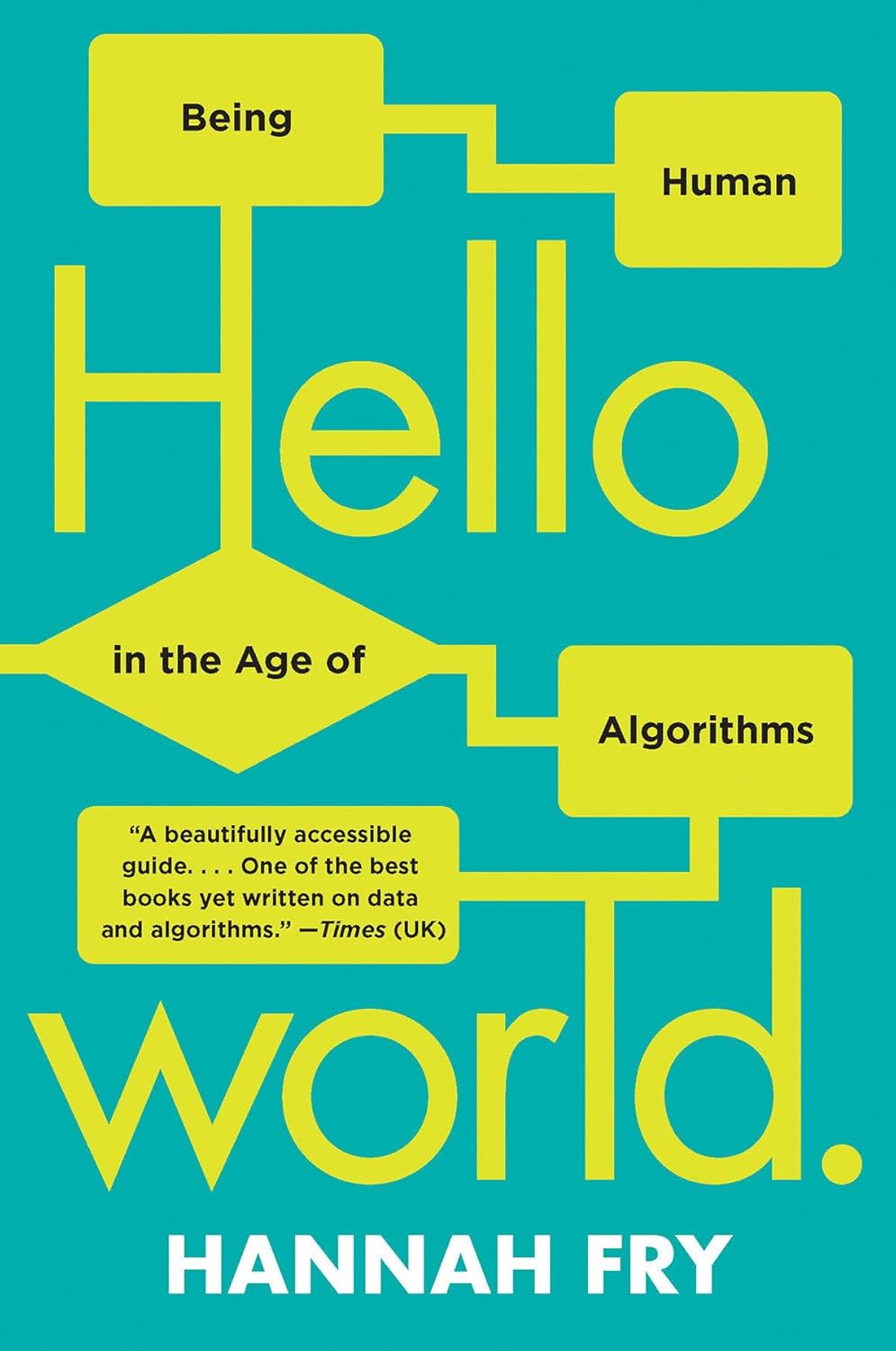
Algorithms in justice, medicine, cars and art, explained with British humor and mathematical honesty.
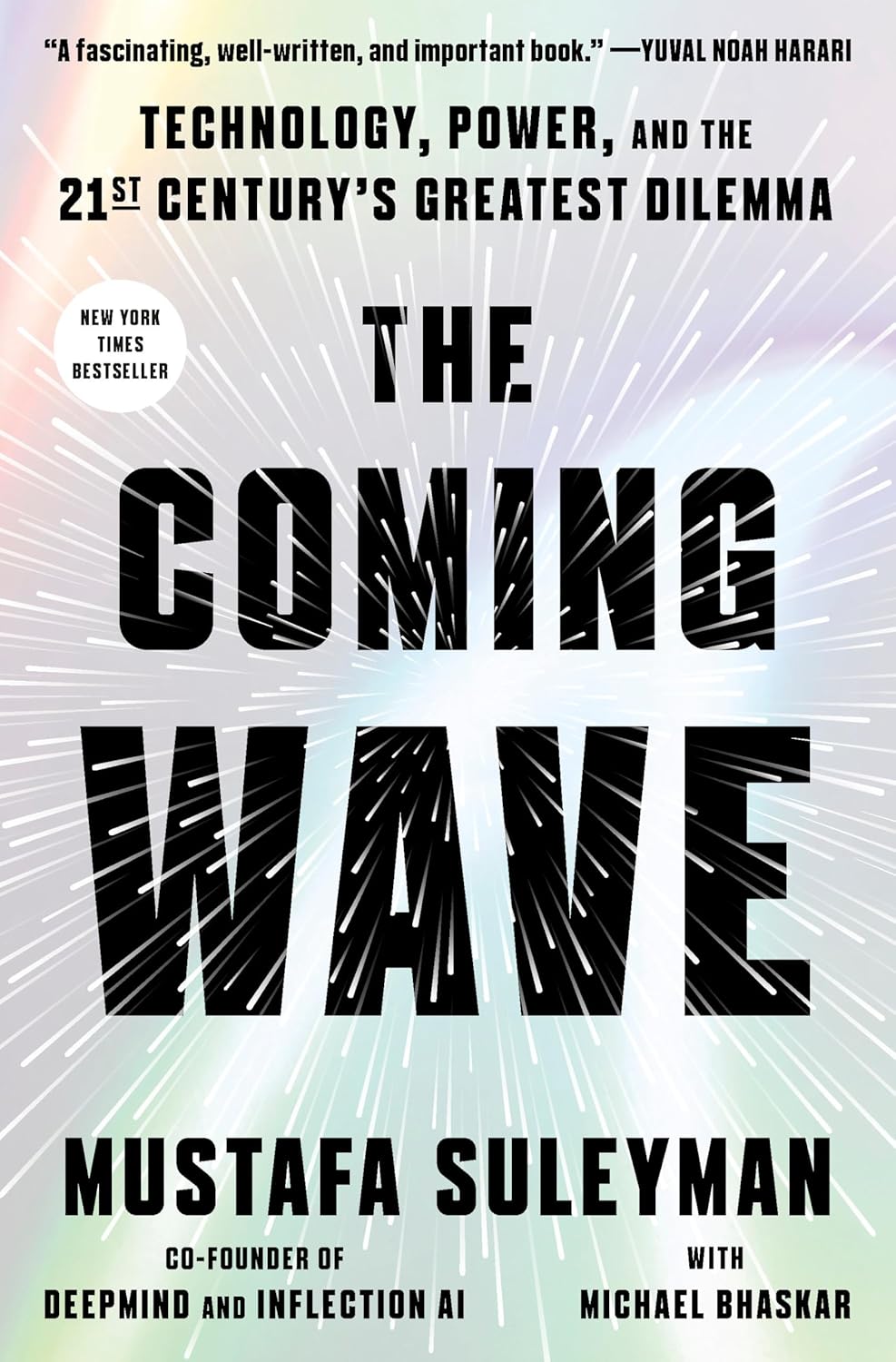
DeepMind co-founder on the dilemma of containing technologies that do not want to be contained.
As an Amazon Associate, Zendoric earns from qualifying purchases; the price does not change for you. · all our recommended books →
🔗 Related on Zendoric
- The deal Anthropic is negotiating with Washington reopens an uncomfortable question: how do you control the export of something that travels in a file · 2026-06-27
- Anthropic bills like infrastructure, not like an app: how it's gaining ground on OpenAI in the enterprise · 2026-07-09
- $1.5 billion for pirating books to train Claude: AI's fair use comes out unscathed, but not free · 2026-07-22