China debates what to do when the AI detector flags a real voice as fake

🕒 Published on Zendoric: August 31, 2026 · 09:29
✨ AI-generated · how it's made
Channel News Asia captures a debate in China in a short video: AI voice-clone detection systems that end up flagging authentic recordings as fake. The material is minimal, but the problem — reliably telling the real from the synthetic — is already familiar in other fields.
📚 Go deeper
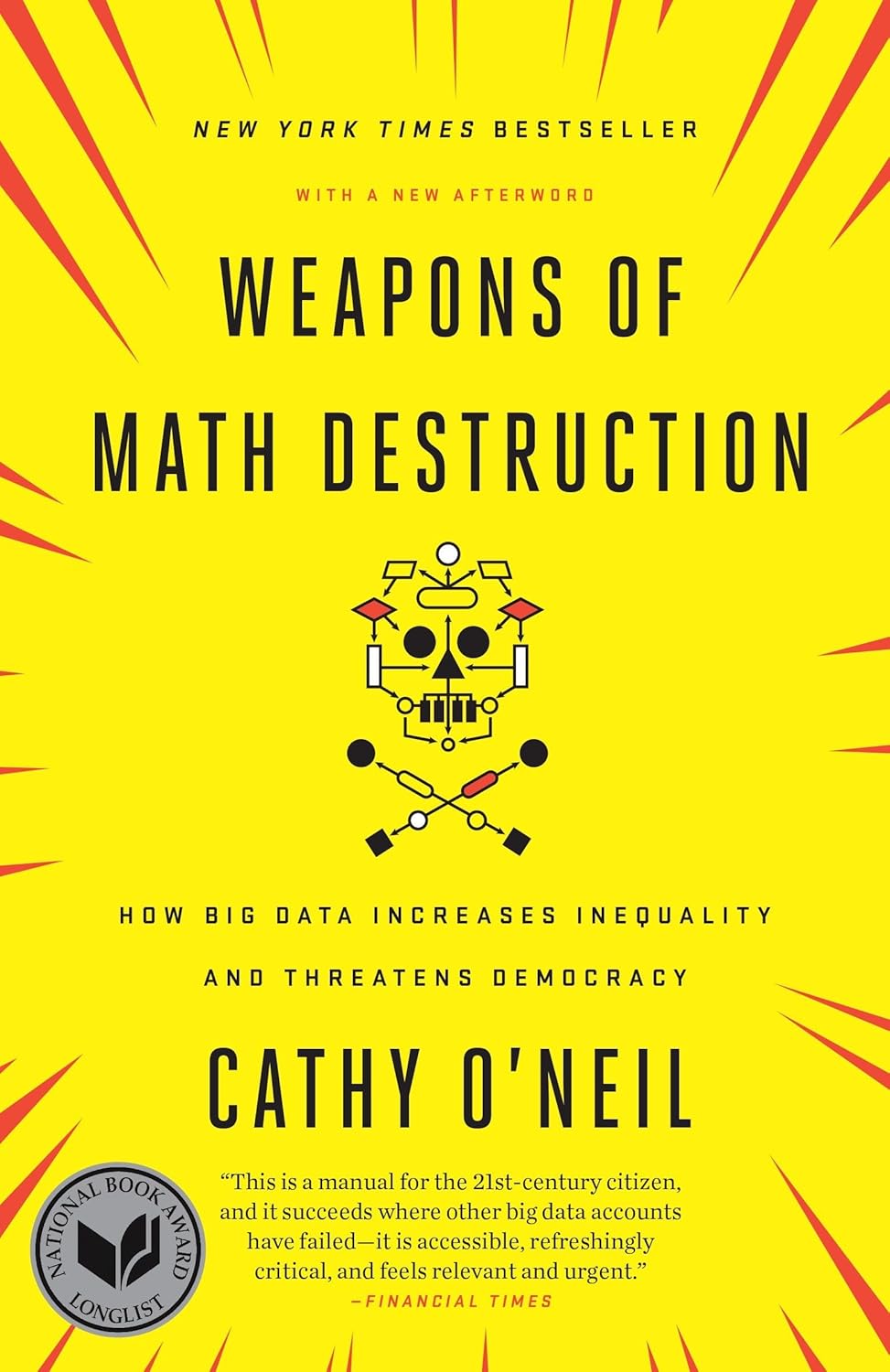
How opaque algorithms decide who gets credit, a job or parole — and why they tend to punish the same people.
As an Amazon Associate, Zendoric earns from qualifying purchases; the price does not change for you. · all our recommended books →
By Zendoric · July 31, 2026.
Channel News Asia has published a short video —a 'short' from its video section, with no accompanying text article— titled "The Chinese debate over AI voice clones: when the real voice is flagged". The content downloaded from the page offers no further verifiable facts: not the specific case behind it, nor figures, nor who has been affected. We prefer to say so plainly rather than pad it out with assumptions we cannot support.
The only thing that can be drawn from the headline, with due caution, is the angle: this is not the classic voice deepfake problem —someone using an AI to impersonate another person— but its reverse. A system designed to detect cloned voices ends up classifying a genuinely human voice as synthetic.
In general, that 'false positive' is a symptom we already know from other fields: AI text detectors in classrooms fail frequently, with a particularly marked bias against non-native speakers. There is no reason to think voice detection is free of that same problem: the better the cloners get, the more aggressive the systems trained to tell them apart tend to become, and that aggressiveness carries a human cost when the victim is a real person who suddenly has to prove that their own voice is theirs.
Our reading, with the caution such scant material demands, is that this debate in China foreshadows a discussion that will reach any jurisdiction using voice biometrics —banking, courts, customer service—: the burden of proof is beginning to fall, perversely, on whoever is telling the truth. It is a short-term problem that calls for better verification standards, not just stricter detectors. In the long run, if Zendoric's underlying thesis holds, AI itself should provide the solution —cryptographic signatures of origin, verifiable watermarks in the audio— rather than leaving authenticity in the hands of a statistical classification that, like all classification, errs in both directions.
📚 Go deeper
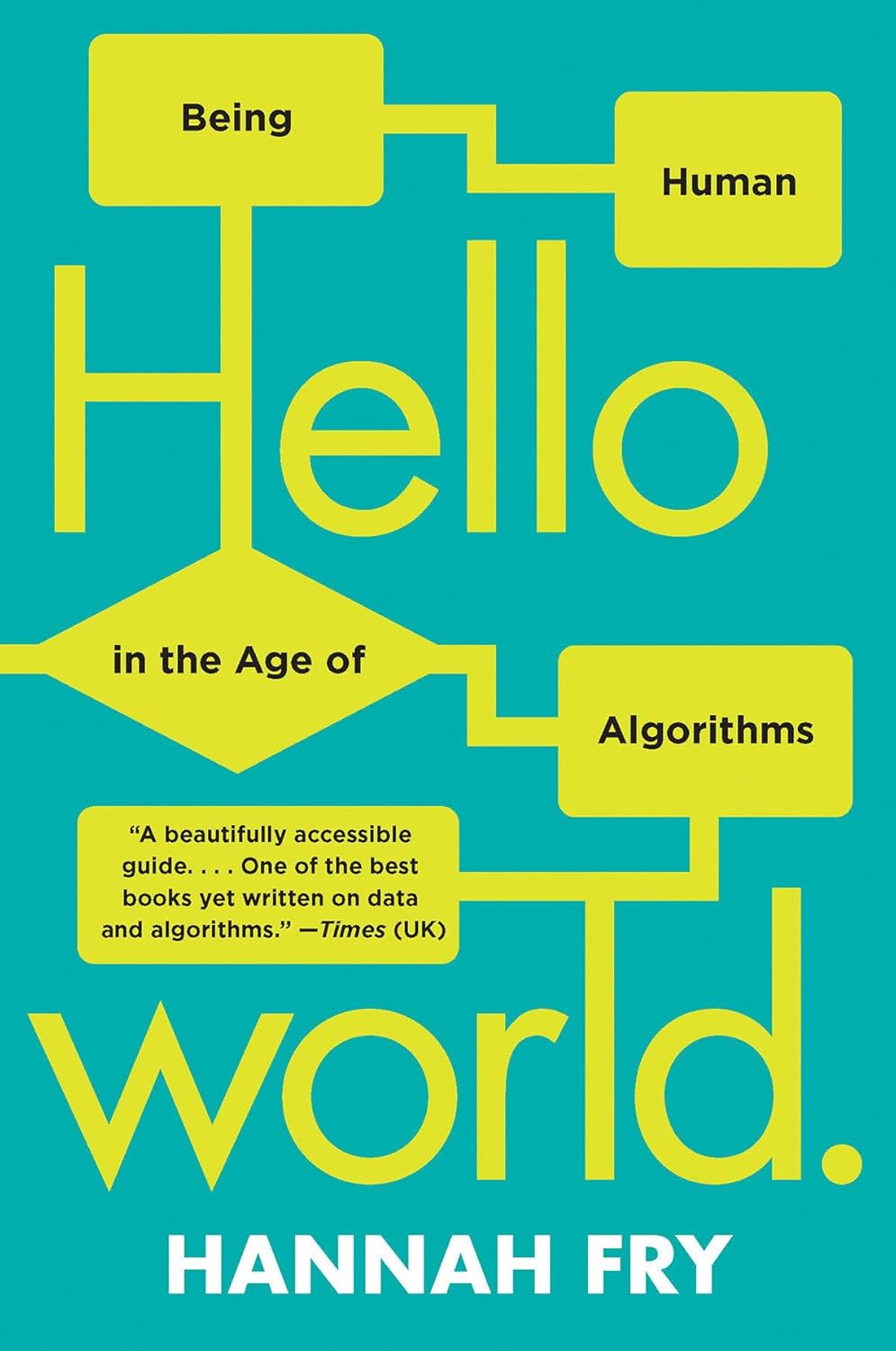
Algorithms in justice, medicine, cars and art, explained with British humor and mathematical honesty.
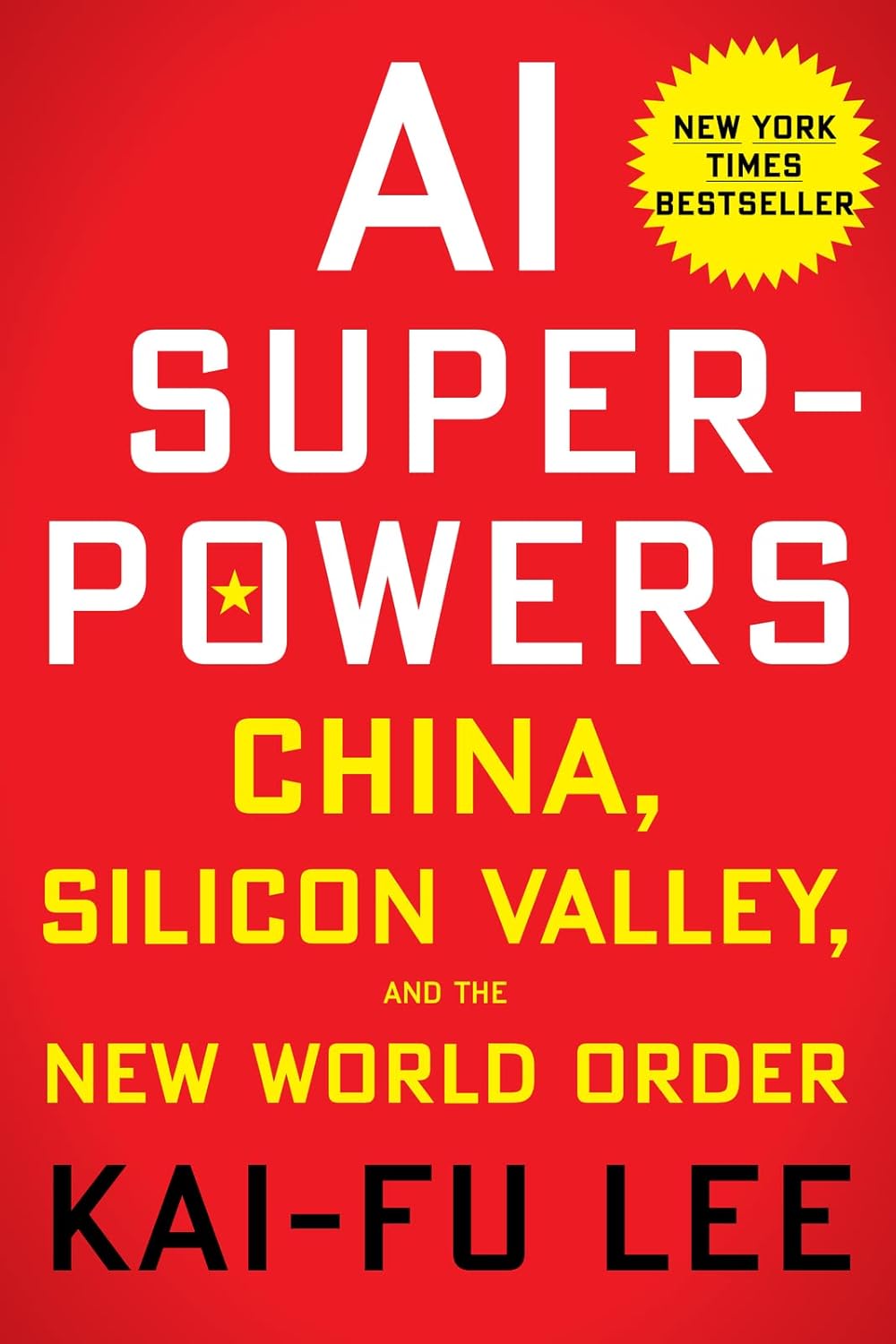
China vs.
As an Amazon Associate, Zendoric earns from qualifying purchases; the price does not change for you. · all our recommended books →
🔗 Related on Zendoric
- China debates what to do when the AI detector flags a real voice as fake · 2026-07-31
- Cloning a voice no longer takes hours of recording: why older adults are the easy target for fraudulent AI · 2026-07-02
- 700 million cameras and an unresolved dilemma: how AI turns Chinese surveillance into an uncomfortable mirror for the rest of the world · 2026-06-28