Sony and Warner sue Anthropic: the same pirated library keeps generating new invoices

🕒 Published on Zendoric: August 31, 2026 · 09:29
✨ AI-generated · how it's made
Sony Music and Warner Music have sued Anthropic over 10,000 songs, pointing again at the millions of books allegedly downloaded from Library Genesis. The claim is the same legal fault line as the authors' case — not whether training is fair use, but how the training data was obtained. And the most valuable thing the labels are asking for isn't money: it's a look inside Claude's training set.
📚 Go deeper
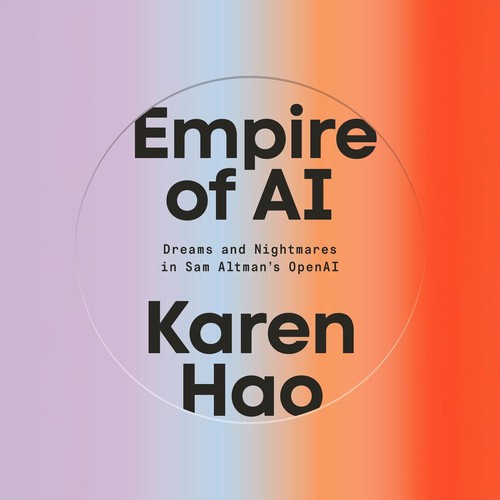
The definitive piece of investigative journalism on OpenAI: 260+ interviews, the clash between safety and speed, and the attempted firing of Sam Altma
As an Amazon Associate, Zendoric earns from qualifying purchases; the price does not change for you. · all our recommended books →
Sony Music and Warner Music filed suit against Anthropic in California on August 28, describing the conduct in the complaint as one of the largest and most blatant ongoing thefts of intellectual property in history, according to the filing reported by ExtremeTech. The suit names Anthropic and cofounders Dario Amodei and Benjamin Mann as defendants, and covers 10,000 musical works — among them Survivor's "Eye of the Tiger," Mariah Carey's "All I Want for Christmas Is You" and Taylor Swift's "Paper Rings." Anthropic says it disagrees with the publishers' claims and intends to defend itself in court. None of the allegations has been tested; this is a complaint, not a finding.
The factual core is familiar. The complaint alleges that Mann downloaded more than 5 million pirated books from Library Genesis in June 2021, and that Anthropic employees downloaded at least 2 million more in July 2022 — over 7 million volumes in total, by the plaintiffs' account. The novelty is what the labels say was inside them: lyrics and sheet music, swept up with the prose and used in model training. That is the move worth noticing. The same alleged corpus is being re-cut along a different rights boundary, and each new slice arrives with its own plaintiffs.
The money follows the same logic. Sony and Warner are claiming up to $150,000 for each instance of willful infringement and up to $25,000 for each instance in which copyright management information was stripped from a work. Run the ceiling across 10,000 songs and the statutory maximum lands near $1.5 billion — arithmetic on the complaint's own numbers, and coincidentally the same figure Anthropic agreed to pay to settle the authors' class action. That coincidence is the story. The settlement did not close the acquisition problem; it priced one claimant group. The books were never just books.
This is why we keep drawing the line where we do. The emerging legal consensus is that training a model on lawfully obtained material is defensible; what is expensive and punishable is *how* the corpus was acquired. Piracy at ingestion is a discrete, provable, per-item act — perfect fuel for statutory damages, which multiply by work rather than by harm. A lab that licensed badly faces a negotiation. A lab accused of downloading from LibGen faces a spreadsheet.
And the remedies matter more than the damages. Friday's filing asks for a jury trial, an injunction, destruction of infringing copies, and disclosure of details on Claude's training data. That last item is the real prize, and not only for the labels: discovery into a frontier lab's training set would establish, through litigation, the kind of transparency regulators have so far only requested — Japan, per the same outlet, is now asking AI companies to disclose what they train on. Courts may end up setting the disclosure standard before legislatures do.
Our reading: the short term here is genuinely messy, and we should not pretend otherwise. A years-long tail of suits — authors, then labels, then streamers, then whoever holds the next rights class — imposes a compliance cost that only the best-capitalized labs can absorb. That has a perverse edge worth naming: licensing regimes priced for Anthropic and OpenAI are unaffordable for smaller Western labs, and simply unenforceable against developers training in jurisdictions that never intended to pay. Copyright rigor in the US and EU is, in practice, a subsidy to open-weight competitors elsewhere. But the long-term direction is right. A functioning market where creators are paid for training data is the version of this technology worth building — one where the abundance AI generates does not arrive by quietly expropriating the people who made the culture it learned from. Getting there means paying for the shortcut taken in 2021. This bill will not be the last.
📚 Go deeper
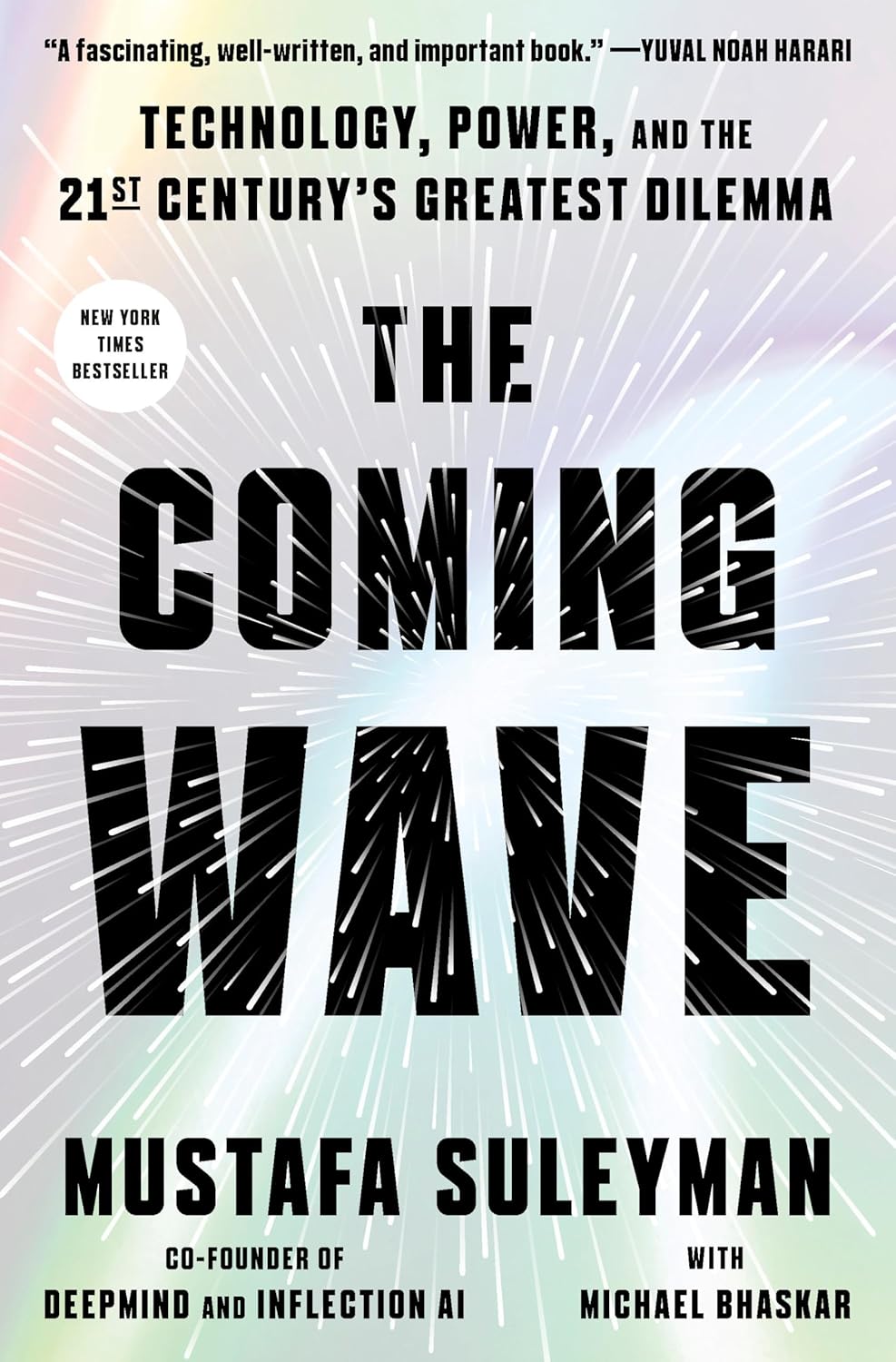
DeepMind co-founder on the dilemma of containing technologies that do not want to be contained.

The reference manual for building products on top of AI models: prompts, RAG, fine-tuning, agents, evaluation and deployment.
As an Amazon Associate, Zendoric earns from qualifying purchases; the price does not change for you. · all our recommended books →
🔗 Related on Zendoric
- Anthropic will pay 1.5 billion for pirating books, but AI training is shielded as fair use · 2026-07-23
- Anthropic's New $75M Book Suit: The Piracy Line, Not Training, Is AI's Legal Front · 2026-07-06
- $1.5 billion for pirating books to train Claude: AI's fair use comes out unscathed, but not free · 2026-07-22