A former Mastercard fraud executive: anti-fraud defense is no longer won with better AI, but with connected data

🕒 Published on Zendoric: August 31, 2026 · 09:29
✨ AI-generated · how it's made
Rohit Chauhan, former head of AI and fraud at Mastercard, opens a series of interviews with a thesis that is uncomfortable for banks: applying more powerful models to the same incomplete data barely improves detection. The real edge lies in connecting accounts, devices and behaviors to see fraud as a network, not as an isolated transaction.
📚 Go deeper
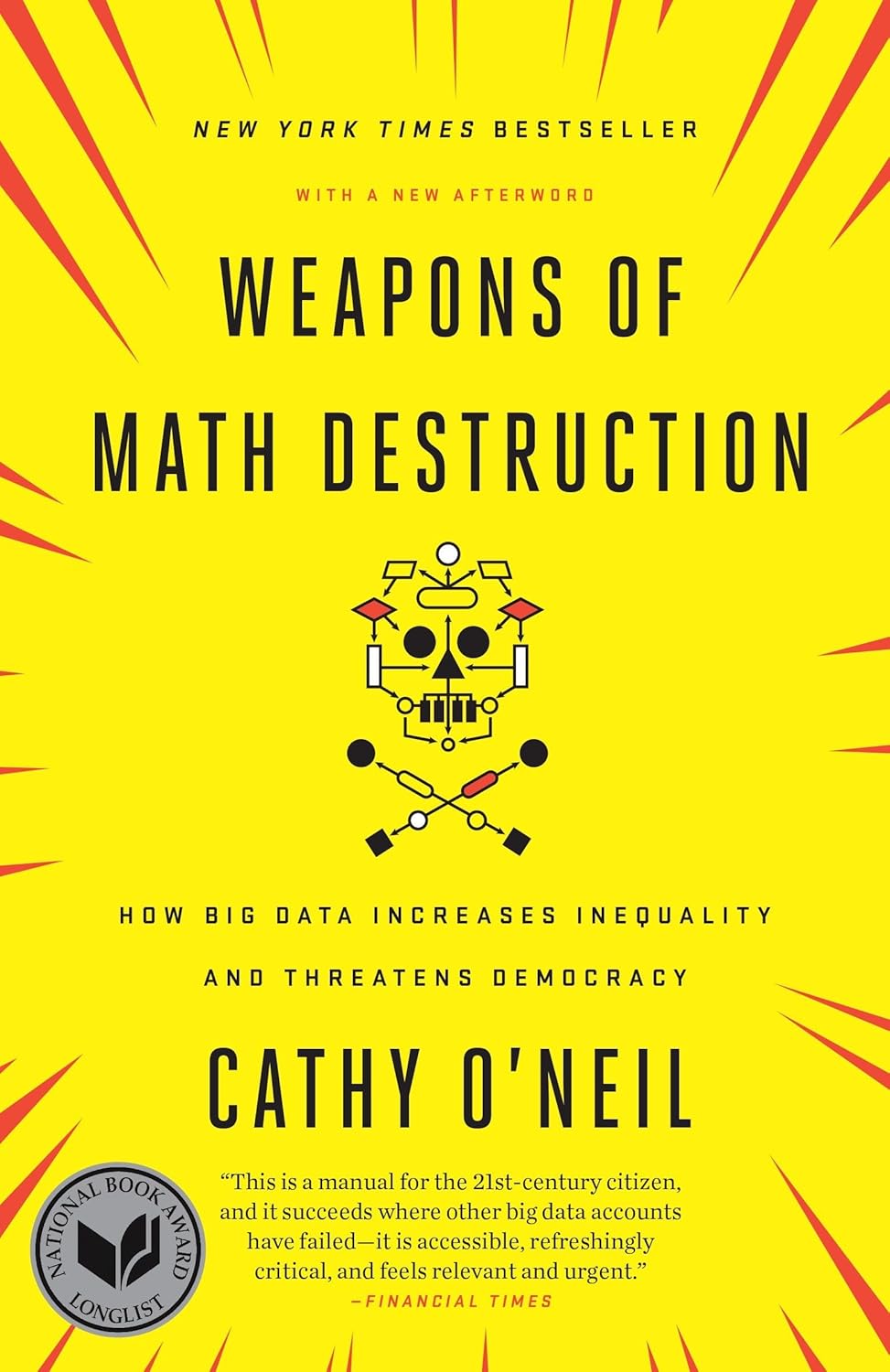
How opaque algorithms decide who gets credit, a job or parole — and why they tend to punish the same people.
As an Amazon Associate, Zendoric earns from qualifying purchases; the price does not change for you. · all our recommended books →
By Zendoric · July 31, 2026.
Rohit Chauhan, who led the Artificial Intelligence and Fraud Solutions area at Mastercard, opens a series of three interviews for CDO Magazine —an outlet aimed at the Chief Data Officer (CDO), an organization's most senior data executive— with a blunt idea: in banking, the fraud bottleneck is no longer the AI model, it is the data architecture that feeds it. The conversation, conducted by Robert Lutton, vice president of the consultancy Sandhill Consultants, is the first in a series CDO Magazine will continue in future installments.
Chauhan's thesis, according to the article itself: a transaction seen in isolation can look perfectly legitimate. Fraud surfaces when patterns are cross-referenced across accounts, identities, devices, locations and behaviors at once. He gives a concrete example: two transactions that separately raise no alarm can expose fraud as soon as their timing, their location and the relationship between them are assessed together. That is why, he argues, applying a more sophisticated AI model to the same incomplete, transaction-only data produces, in his words, marginal improvements.
From that follows his recommendation for CDOs: prioritize connected data infrastructure rather than chasing the next model. He adds two relevant caveats. First, that AI is already widely within reach of fraudsters just as it is of banks, so competitive advantage shifts toward the proprietary data each institution already holds and the attacker does not. Second, that fraud is an asymmetric contest: the attacker only has to get it right once, while the institution must thwart practically every attempt, which forces it to prioritize speed and context over isolated accuracy.
This should be read with the caution any positioning interview deserves: there are no figures on losses avoided, no detection rates and no deployment cases cited, and both the interviewer (from a data consultancy) and the outlet have a direct interest in CDOs investing in projects of this kind. It is a reasonable thesis, not a study with quantified evidence, and it should be taken as such.
That said, the underlying argument fits with something we have been seeing on other fronts in the industry: competitive advantage in AI is shifting from the model to the infrastructure around it. We already saw it in the fight to control the distribution and standards of agents rather than build the smartest model; here the same logic appears applied to fraud. The bank with better connected data wins even if it uses a somewhat weaker AI model; the bank with the most advanced model but data fragmented across internal silos loses.
It also connects with an underlying problem we have already pointed out: agentic AI is making fraud cheaper and automating it in the short term, before any distant superintelligence risk comes into play. That is exactly the ground where the game is being played today: not in research labs, but in the daily asymmetry between attackers who only need to be right once and banks obliged to be right every time. Our reading is that this asymmetry is not solved with a better model, but with less friction between the data each institution already has, which —however much it sounds like unglamorous plumbing— is precisely the kind of boring investment that, sustained over time, reduces the financial system's systemic risk and frees up capacity for AI to focus on detecting real fraud instead of chasing false positives.
📚 Go deeper
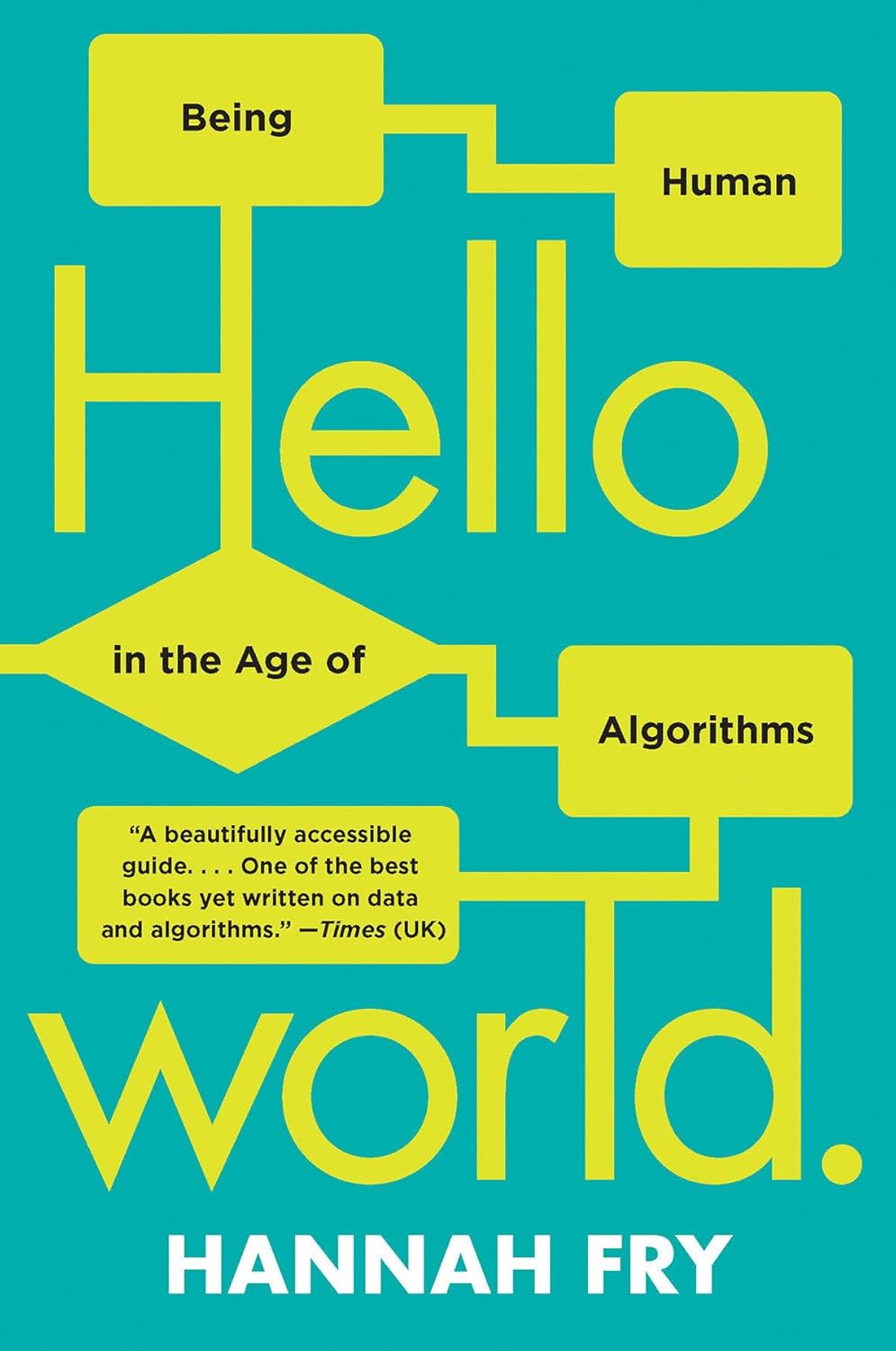
Algorithms in justice, medicine, cars and art, explained with British humor and mathematical honesty.

The only novel on the list, by a Nobel laureate: an artificial friend observes humans with a blend of lucidity and innocence no essay achieves.
As an Amazon Associate, Zendoric earns from qualifying purchases; the price does not change for you. · all our recommended books →
🔗 Related on Zendoric
- A former Mastercard fraud executive: antifraud defense is no longer won with better AI, but with connected data · 2026-07-31
- Robots against robots: the US proposes a record defense budget to win the autonomous race · 2026-07-09
- The U.S. military discovers that more training isn't better training: AI as the 80/20 filter · 2026-07-15