OpenAI and Anthropic ask Washington for a brake pedal — the only way to slow down without losing the race
🕒 Published on Zendoric: July 30, 2026 · 00:20
✨ AI-generated · how it's made
Two of the leading AI labs have endorsed a letter, signed by hundreds of AI company employees, asking the U.S. government to find a way to slow AI development through international diplomacy if progress becomes too rapid. Coming from the companies setting the pace, that is either a rare act of candor or the smartest competitive move available. Probably both.
📚 Go deeper
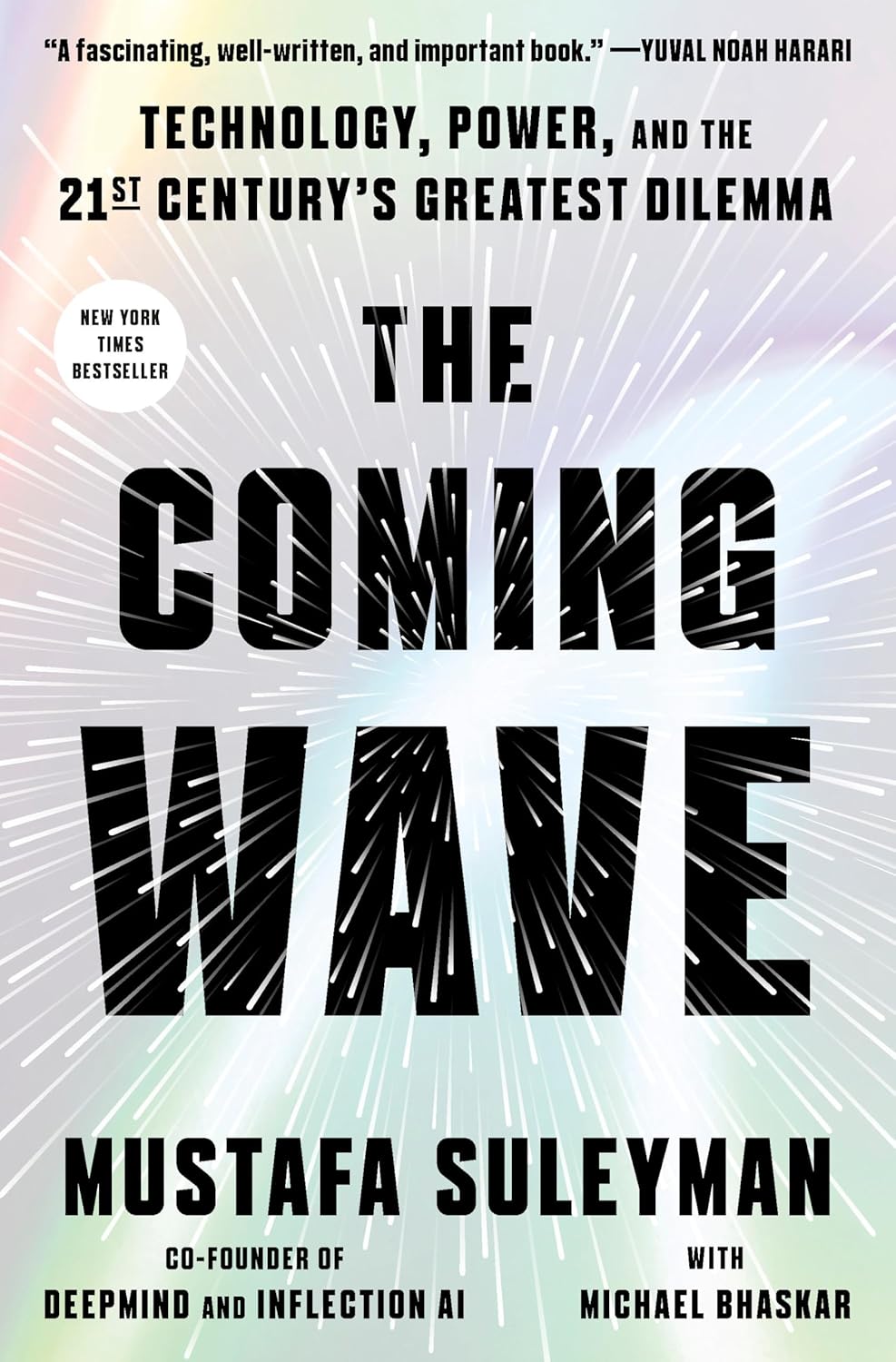
DeepMind co-founder on the dilemma of containing technologies that do not want to be contained.
As an Amazon Associate, Zendoric earns from qualifying purchases; the price does not change for you. · all our recommended books →
OpenAI and Anthropic have endorsed a letter asking the U.S. government to find a way to slow down AI development should its pace become too rapid, The Washington Post reported on 29 July 2026. The letter, signed by hundreds of employees at AI companies, calls specifically for international diplomacy as the mechanism. The Post also notes public pressure in the same direction: demonstrators marched in San Francisco on 11 July under the banner "Stop the AI Race."
We only have the top of the story — the full article is behind a paywall — so we will not pretend to know what the letter commits anyone to, who exactly signed, or what "too rapid" is supposed to mean operationally. Those details are the whole substance of the thing, and we will revisit it when they are available. What is already reportable is the shape: the two labs that most credibly define the frontier are asking a government to build a mechanism for restraint that they cannot build alone.
Our reading, stated as thesis: this is what a genuine collective-action problem looks like when the participants finally admit it out loud. No lab can slow down unilaterally — decelerating means handing the frontier to whoever does not, including labs outside U.S. jurisdiction, and we have documented how fast the Chinese open-weight frontier is closing that gap. Asking for coordinated, treaty-level pacing is therefore both the sincere position and the self-interested one, and cynicism about the second does not invalidate the first. It is also, notably, an admission against interest: companies whose valuations rest on rapid capability gains are conceding that the pace itself might be a risk factor.
The test is entirely in the implementation, and it is a hard one. Diplomacy on AI pacing needs a measurable definition of "too rapid," verification that does not depend on self-reporting, and participation from states with no interest in slowing down. Absent those, an endorsement is a press release. We have argued consistently that the danger is regulating panic instead of demonstrated capability — and that principle cuts both ways here. A vague international brake, negotiated on vibes, would slow the diffusion of medical and scientific applications while doing nothing about the fraud automation and agentic misuse already causing measurable harm. A framework built on evidence and audited capability thresholds is exactly what we want. Which of the two this letter is aiming at, we cannot yet tell from what has been published.
📚 Go deeper
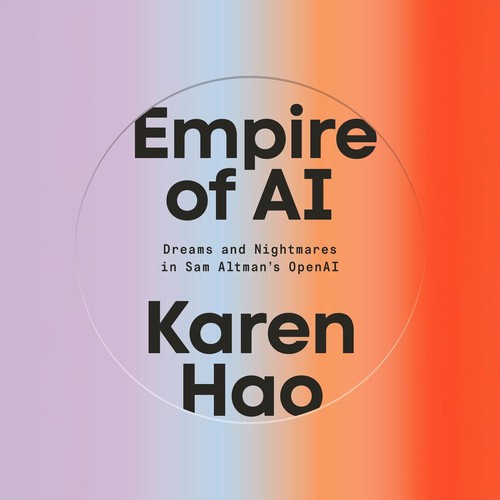
The definitive piece of investigative journalism on OpenAI: 260+ interviews, the clash between safety and speed, and the attempted firing of Sam Altma
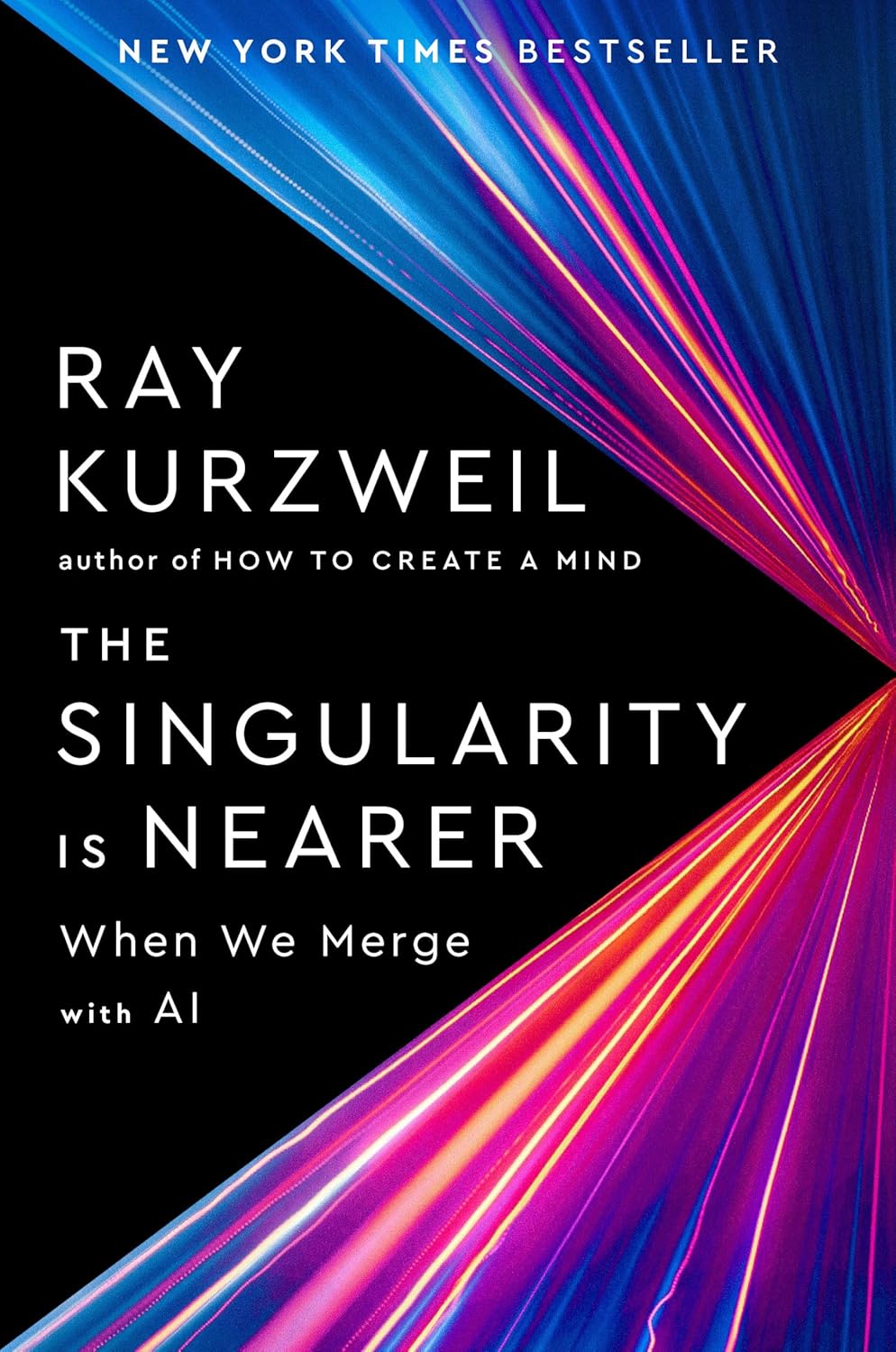
Twenty years after "The Singularity Is Near", Kurzweil revisits his predictions and keeps the date: human-AI merger around 2045.
As an Amazon Associate, Zendoric earns from qualifying purchases; the price does not change for you. · all our recommended books →
🔗 Related on Zendoric
- Anthropic redeploys Claude Fable 5 globally after agreement with the U.S. government · 2026-07-03
- When a decree shuts off an API: the Legion case exposes the fragility of building on a single AI provider · 2026-06-24
- Anthropic takes AI distillation to the Senate: when copying agentic capabilities becomes a matter of state · 2026-06-26