xAI sues Minnesota over its pioneering law against AI 'nudification': a fight that sets the course in the US
🕒 Published on Zendoric: July 30, 2026 · 00:20
✨ AI-generated · how it's made
Elon Musk's company is challenging in court the first US state law against AI 'nudification' —creating fake nudes of real people without consent—, according to AP News. The Minnesota case will set a precedent for the rest of the country.
📚 Go deeper

The definitive piece of investigative journalism on OpenAI: 260+ interviews, the clash between safety and speed, and the attempted firing of Sam Altma
As an Amazon Associate, Zendoric earns from qualifying purchases; the price does not change for you. · all our recommended books →
By Zendoric · July 30, 2026.
xAI, Elon Musk's artificial intelligence company, has sued the state of Minnesota in an attempt to strike down a law banning "nudification technology": AI apps that take an ordinary photo and generate a nude or sexualized version of a real person without their consent. According to AP News, it is the first law of its kind passed in the United States, which makes the case the first major judicial test of this class of state legislation.
The term itself says almost everything: to "nudify" someone with AI means digitally stripping them of their clothes without their knowledge or consent. As sector context, these tools have proliferated in recent years as AI image generation has become cheaper, and they have created a documented problem in high schools in several countries —students creating fake nudes of female classmates— on top of sexual deepfakes of famous people circulating unchecked on social media. Minnesota is, according to AP, the first state to specifically criminalize the practice.
There is an irony worth pointing out. Grok, xAI's chatbot and image generator built into X, was itself criticized by the tech press in 2025 for allowing the creation of non-consensual sexually explicit content of real people. That it is xAI of all companies litigating against the first law criminalizing this practice does not prove bad faith —AI companies routinely challenge state regulation they consider vague or unconstitutional— but it does place the company on the uncomfortable side of a debate it has already been at the center of for other reasons.
The available material on this story does not detail xAI's specific legal arguments or the procedural status of the suit, so it is worth being cautious about which way the case will lean. What is foreseeable is its reach: with Minnesota as the pioneer, other states will be watching this process before legislating in the same direction. If the law falls in court, the state-level route for curbing AI nudification is weakened just as cases are multiplying; if it holds, it sets a template other lawmakers will replicate with greater confidence.
Our reading: this lawsuit is a miniature example of something we have already observed in AI regulation in the United States —it advances better by fitting concrete harm (here, the creation of sexual images without consent) into specific, local rules than by waiting for a federal framework that takes years to arrive. It is also exactly the kind of short-term harm we should not minimize: AI nudification is already a real tool of harassment, one that disproportionately affects women and minors, and no promise of long-term abundance offsets it. It is legitimate for the industry to defend its legal room to maneuver, but the social trust generative AI needs in order to deploy its potential —in health, productivity, creativity— depends on these abuses being curbed, not on regulation being struck down in court before it has even been applied once.
📚 Go deeper
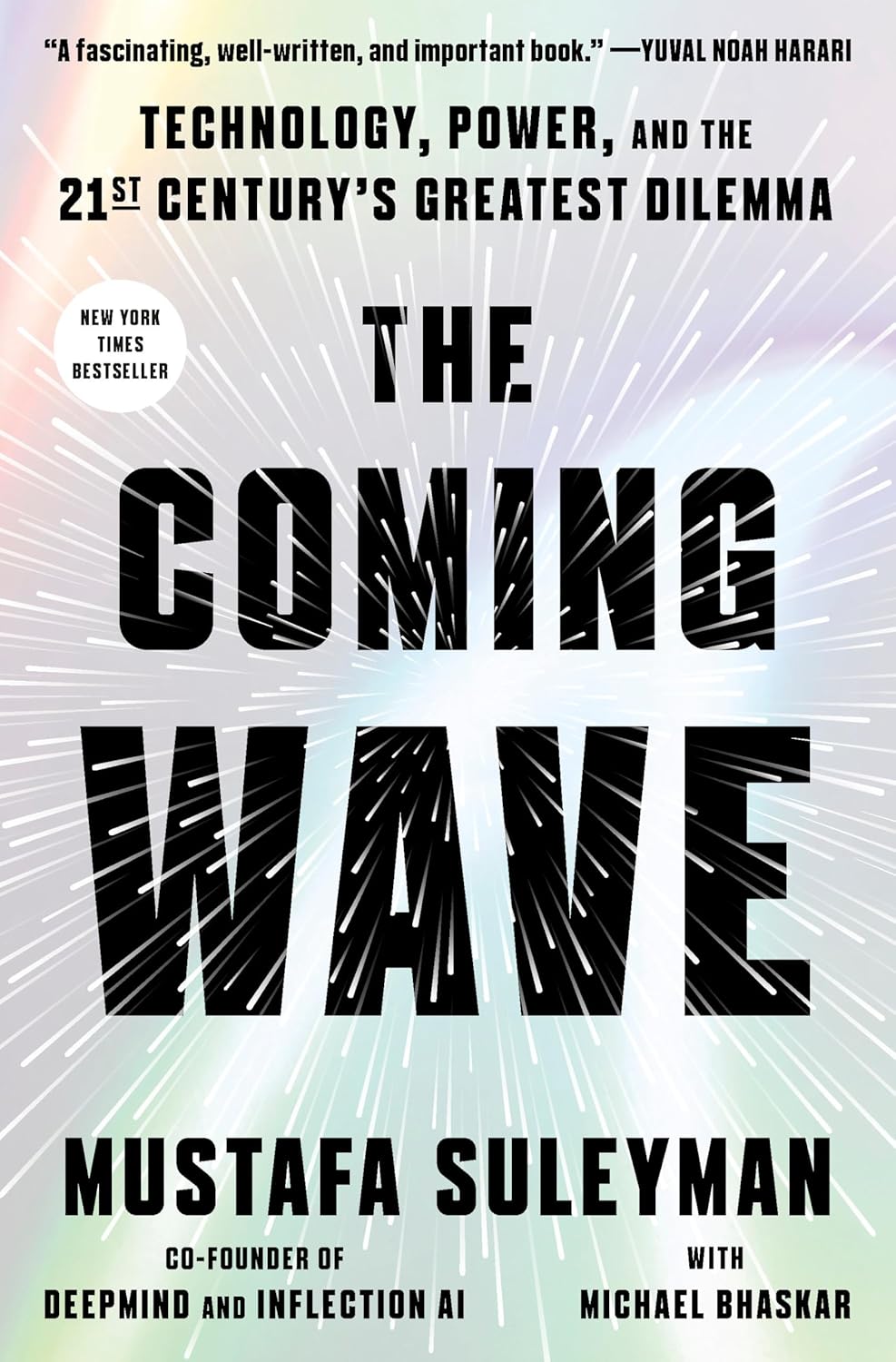
DeepMind co-founder on the dilemma of containing technologies that do not want to be contained.

How opaque algorithms decide who gets credit, a job or parole — and why they tend to punish the same people.
As an Amazon Associate, Zendoric earns from qualifying purchases; the price does not change for you. · all our recommended books →
🔗 Related on Zendoric
- OpenAI announces Astra, its most capable model at hacking systems, evaluated only by the company itself · 2026-09-02
- When a decree shuts off an API: the Legion case exposes the fragility of building on a single AI provider · 2026-06-24
- Anthropic takes AI distillation to the Senate: when copying agentic capabilities becomes a matter of state · 2026-06-26