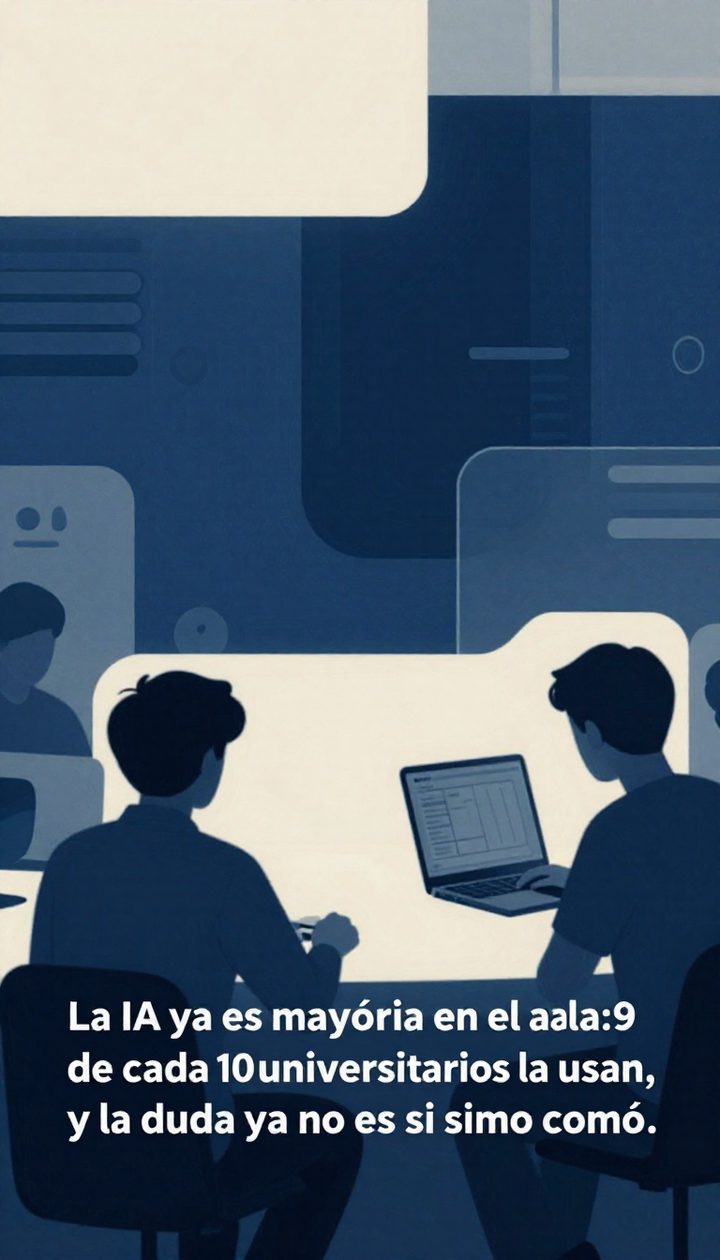
AI is now the majority in the classroom: 9 out of 10 university students use it, and the question is no longer whether but how
🕒 Published on Zendoric: July 29, 2026 · 00:34
✨ AI-generated · how it's made
An Instructure survey of 1,125 people in the US confirms that the debate over whether AI should enter education is already closed: 90% of university students and 68% of primary and secondary school teachers use it. What remains to be settled is the hard part: the rules.
📚 Go deeper
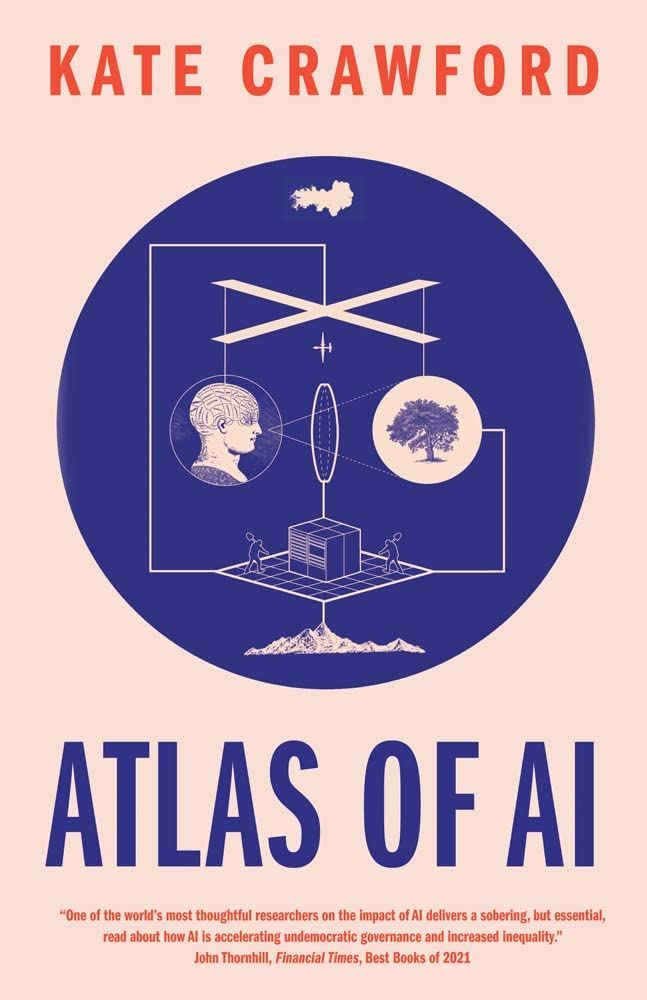
AI as an extractive industry: the lithium, the energy, the underpaid data-labeling work and the bodies behind the cloud.
As an Amazon Associate, Zendoric earns from qualifying purchases; the price does not change for you. · all our recommended books →
By Zendoric · July 29, 2026.
The question "should AI be allowed into the classroom?" no longer makes sense, because it is already there. A survey by the education technology company Instructure, with 1,125 responses in the United States, puts AI use at 90% of college students at least occasionally, 68% of primary and secondary (K-12) teachers and 61% of university faculty. Some 73% of parents say their children use it too. These are adoption figures, not pilot-program figures: AI has become everyday learning infrastructure, on a par with the word processor or the search engine.
What is interesting is not so much the usage rate as the gap it reveals between practice and governance. According to the report, only 28% to 39% of students and teachers favor restricting its use, and families are split between acknowledging benefits — personalized learning, better access to resources — and fearing a dependence that erodes critical thinking. It is the textbook tension of any general-purpose technology deployed faster than institutions can regulate it: the market (here, students and families) decides first, and the rules come later. Melissa Loble, Instructure's chief learning officer, sums it up in the report itself: the conversation is no longer about whether AI belongs in education, because students, teachers and families are already navigating it; the job now is to help institutions build judgment, support and safeguards to use it responsibly.
What carries the most weight, in our view, is a finding the report does not highlight in its headline but does in the stated priorities: teaching responsible AI use and building critical AI literacy rank first or second among respondents' expectations of schools. And teachers themselves, far from resisting, are asking for more training, clearer policies and ongoing professional development. It is confirmation, with survey data rather than intuition, of a thesis we already argued when analyzing how AI is reshaping employment in education: the winner is the teacher who orchestrates AI as a pedagogical tool, not the one who simply competes with it by delivering content a model can also explain. The survey shows that this change of role is no longer a hypothesis about the future but the majority demand of those inside the system today.
In the short term, the concerns the study documents are legitimate and should not be played down: overdependence, a loss of muscle in one's own reasoning and a lack of clear policies, along with the demand for more teacher training to use AI well. A classroom where the teacher has received no training and the student uses the model to skip the cognitive effort does not improve learning; it replaces it with the appearance of learning. That risk is real, and the survey itself documents it from inside the education system, not from outside.
In the long term, however, the reading we hold at Zendoric is that AI literacy — knowing when to lean on it, when to distrust it and when to exercise your own judgment — is exactly the kind of capability that will determine who benefits from the abundance this technology can generate and who is left behind. The school that wins that race will not be the one with the best AI model, but the one that turns AI use into judgment rather than a shortcut soonest. This survey, with all its limitations of size and geographic scope, is an early signal that students, families and teachers in the United States have already grasped the right question. What remains is for institutions — curricula, accreditation, teacher training — to respond at the same pace their own users have already set.
📚 Go deeper
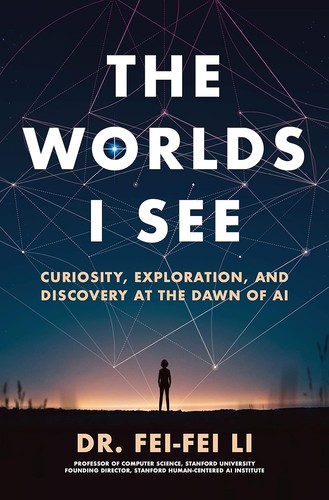
The memoir of the creator of ImageNet, the scientist who made the deep learning revolution in vision possible.
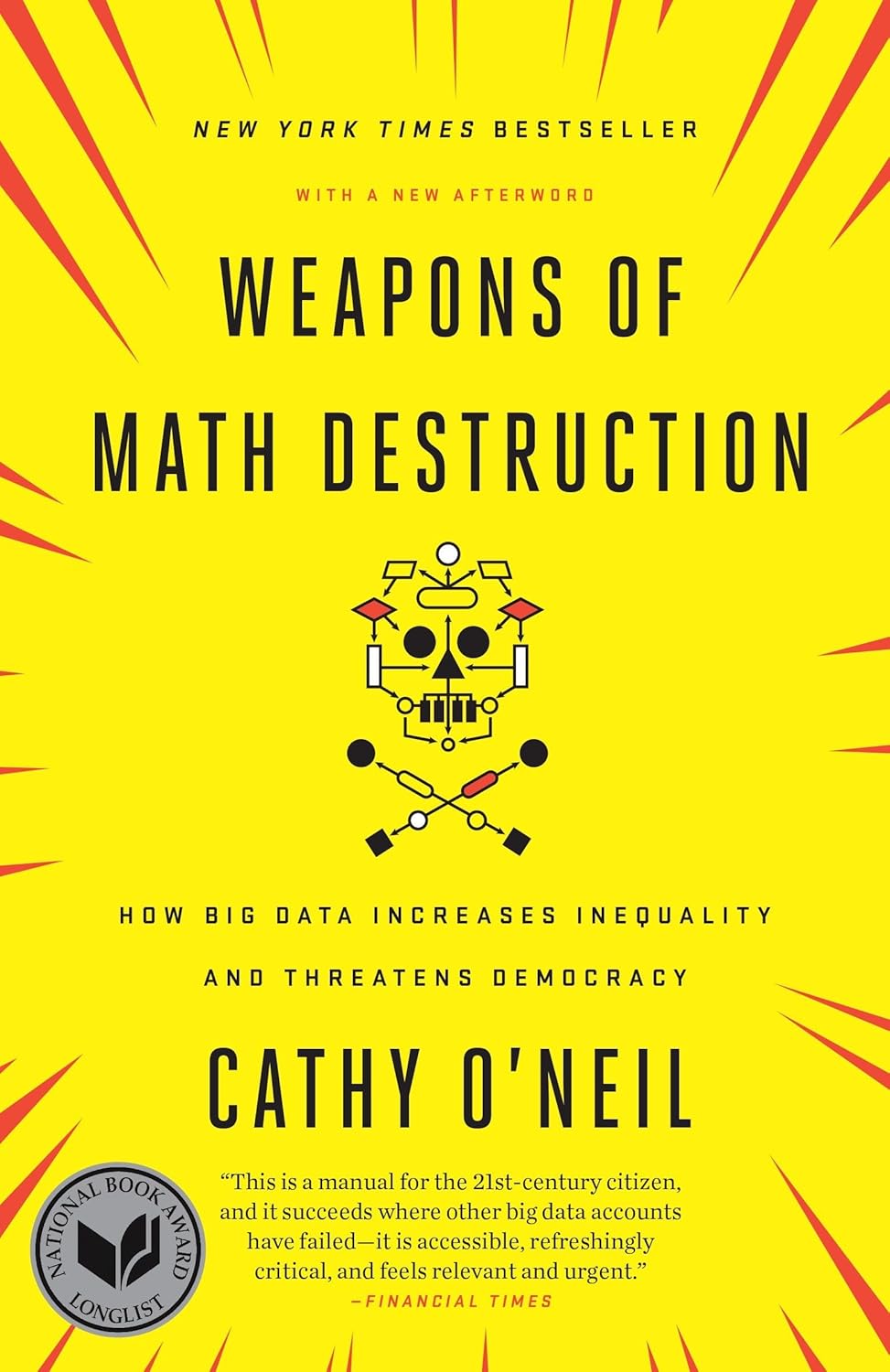
How opaque algorithms decide who gets credit, a job or parole — and why they tend to punish the same people.
As an Amazon Associate, Zendoric earns from qualifying purchases; the price does not change for you. · all our recommended books →
🔗 Related on Zendoric
- Alabama wants to teach AI from primary school: the real debate is not whether, but how · 2026-07-25
- AI glasses in exams: when cheating beats the top 5 of the class, the assessment system has a bigger problem · 2026-06-28
- From copier to tutor: how teachers can turn AI into a real learning tool · 2026-06-28