Chatbots as a first point of contact for mental health: they widen access, they don't replace the psychologist
🕒 Published on Zendoric: July 26, 2026 · 00:23
✨ AI-generated · how it's made
AI offers immediate, accessible support for anyone seeking initial psychological help, but specialists warn of privacy risks and unreliable answers. The future, they say, is not replacement but collaboration between technology and clinical professionals.
📚 Go deeper
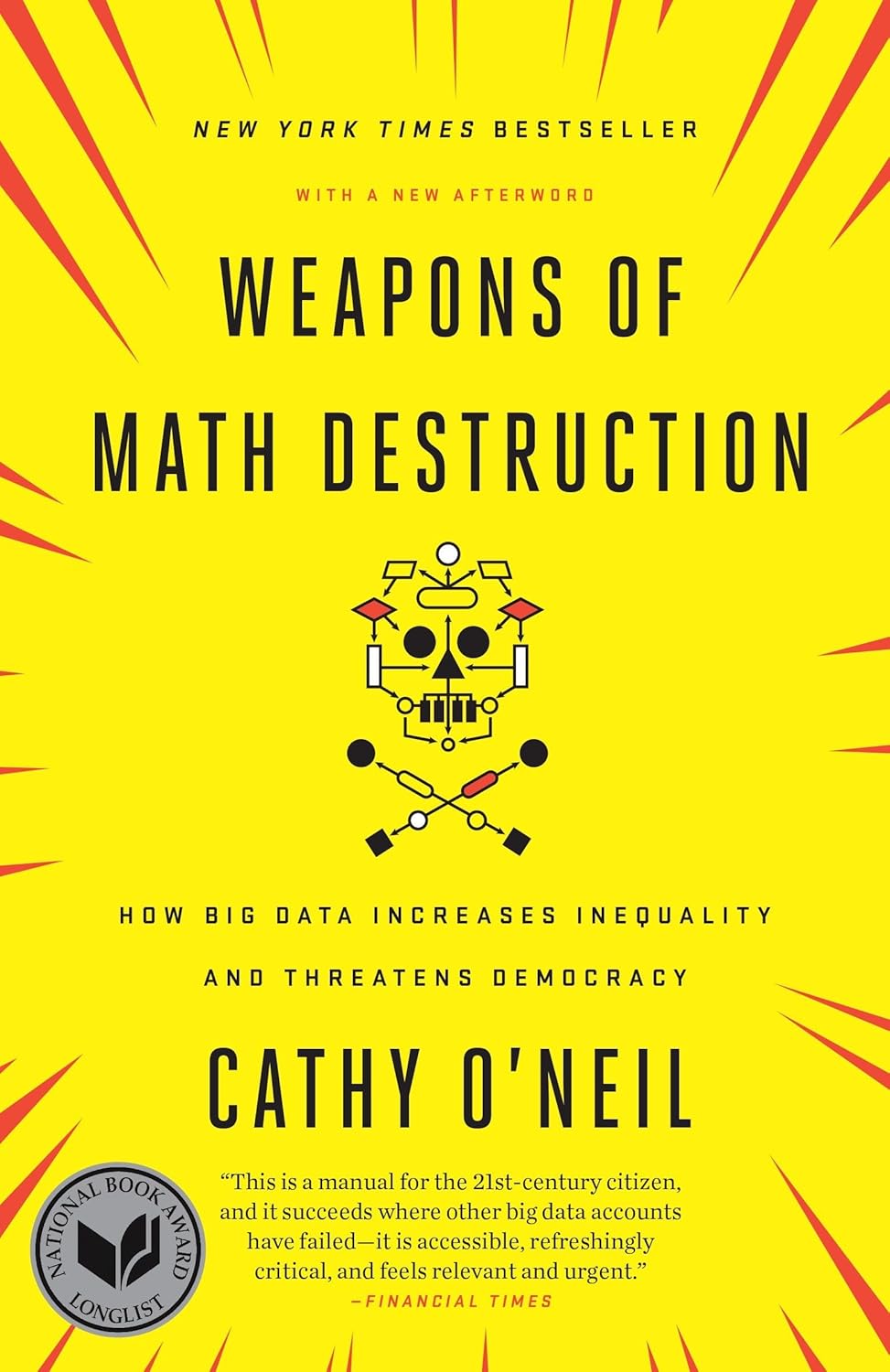
How opaque algorithms decide who gets credit, a job or parole — and why they tend to punish the same people.
As an Amazon Associate, Zendoric earns from qualifying purchases; the price does not change for you. · all our recommended books →
By Zendoric · July 26, 2026. Conversational artificial intelligence tools, with ChatGPT among those mentioned by the source, have become a common entry point for anyone seeking a first form of emotional support. So notes an analysis in El Sol de México: AI offers immediate attention and widens access for those who do not have a psychologist at hand, but it does not replace a professional's clinical work.
The argument in favor is simple: availability 24 hours a day, with no waiting lists or per-session cost, at a moment when talking to someone — even a language model — can make the difference between asking for help and not asking. The analysis itself also points out the limits: the privacy of the data shared in a conversation about mental health and the quality of the system's responses are, according to the text, among the main challenges.
In general, the mental health access gap is structural across much of Latin America: few psychologists available in the public system, long waiting lists and a stigma that still holds many people back before booking an appointment. It is in that vacuum that a chatbot accessible from a phone, with no appointment needed, finds its place — not because it replaces the professional, but because it usually arrives before them.
Our reading is that this is the same pattern we keep seeing repeat itself in every high-risk domain AI touches: the machine assists, but the critical decision stays in human hands. We have seen it with the nuclear button and with latest-generation fighter jets; here the equivalent is clinical assessment in a crisis — suicidal ideation, an acute episode — where a language model has neither the judgment nor the legal responsibility to intervene on its own. The article itself sums it up aptly: complementary, not a substitute.
What the text does not address, and this is revealing in itself, is the clinical validation of these assistants: what protocol they follow when faced with signs of risk and who answers if the response comes back wrong at the worst possible moment. Without those guarantees, 'widening access' can amount to a feeling of care with no safety net underneath.
In the medium term, the most likely model is a hybrid one: AI as first contact and triage, with automatic referral to a human as soon as signs of severity appear. That fits the underlying thesis: technology does not heal on its own, but well governed it can be the door an overwhelmed mental health system currently lacks. The real leap will come when that collaboration is regulated and audited, not merely announced.
📚 Go deeper

The definitive piece of investigative journalism on OpenAI: 260+ interviews, the clash between safety and speed, and the attempted firing of Sam Altma

The best starting book if you're not technical: a Wharton professor explains how to work WITH AI — when to delegate, when to supervise, when to keep i
As an Amazon Associate, Zendoric earns from qualifying purchases; the price does not change for you. · all our recommended books →
🔗 Related on Zendoric
- When a teen's first confidant is a chatbot: what 1 in 5 reveals · 2026-06-26
- Healthcare AI in the Pacific: when missing data creates the inequality it promised to eliminate · 2026-06-29
- The chatbot as a teen's confidant: a study in The Lancet flags two real risks the industry cannot ignore · 2026-06-30