Meta denies using AI to fire staff, but the case of an employee on leave raises doubts about its 'objective criteria'

🕒 Published on Zendoric: July 25, 2026 · 00:23
✨ AI-generated · how it's made
A court ordered Meta to detail how it chooses whom to fire, after 26 former workers sued it for using AI in a discriminatory way against people on leave or with disabilities. Meta denies it and says people, not algorithms, make the decisions, but the file of an employee fired while on parental leave leaves more questions than certainties.
📚 Go deeper
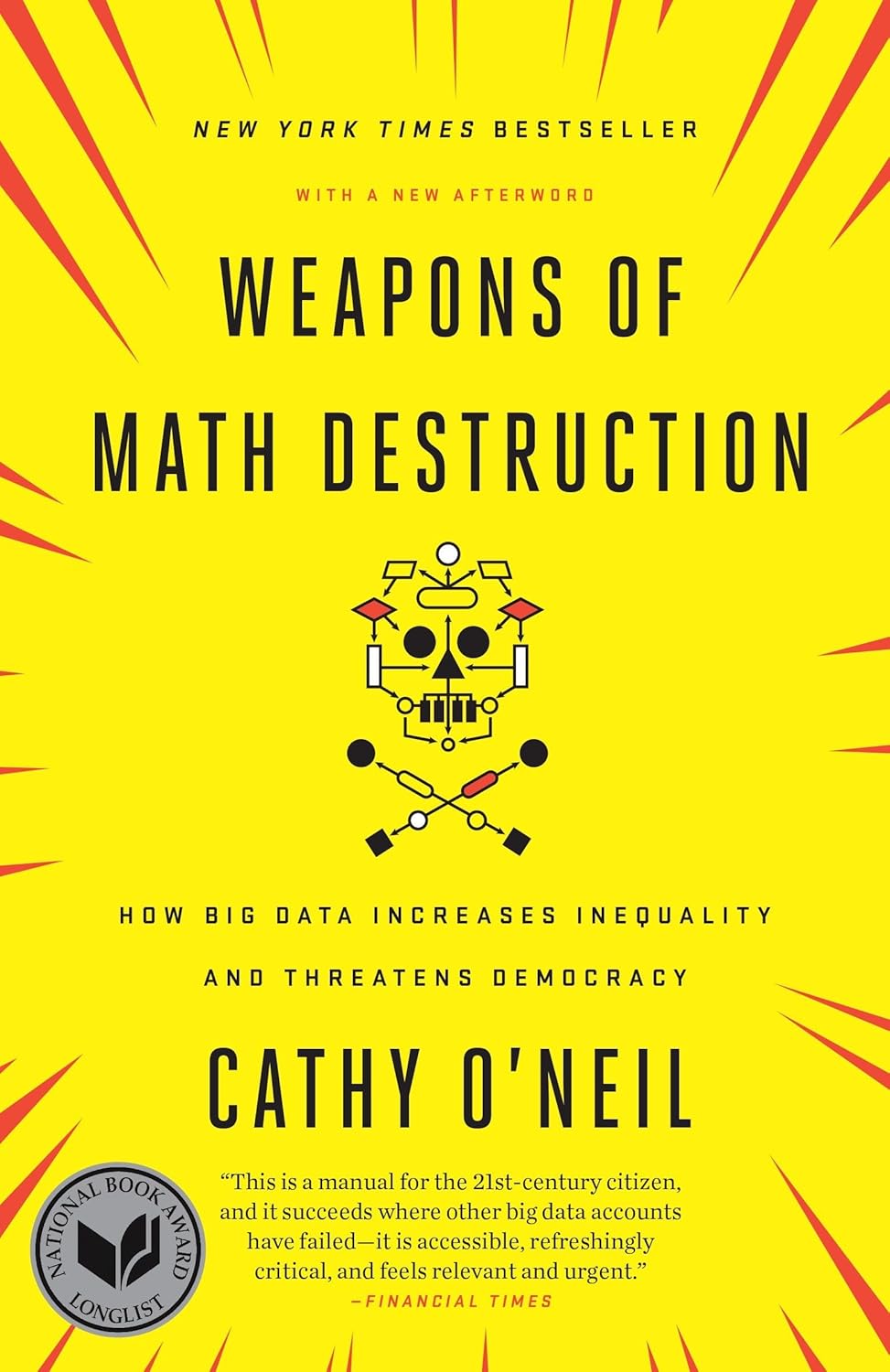
How opaque algorithms decide who gets credit, a job or parole — and why they tend to punish the same people.
As an Amazon Associate, Zendoric earns from qualifying purchases; the price does not change for you. · all our recommended books →
By Zendoric · July 25, 2026.
Twenty-six former Meta workers sued the company last week, alleging that it had used artificial intelligence to decide who to lay off, and that this process had disproportionately harmed employees on medical leave or with disabilities. Among the evidence cited in the lawsuit: an internal AI assistant and dashboards that tallied how many AI "tokens" each employee consumed in their daily work—that is, how much they used the company's AI tools.
The judge in the case, after denying a temporary restraining order that would have halted the layoffs, asked Meta to explain why it had laid off four plaintiffs whose immigration status depended on a visa sponsored by the company itself. The answer came Thursday in a declaration by Linh Doan, director of HR Partner Enablement at Meta, submitted to the court.
According to Doan, the decisions were made by "human business leaders" and AI did not take part in the selection. She also denied that whether an employee was on leave, or had a disability, was taken into account—or even known: she states that the layoff criteria "did not include leave status, leave history, disability status, accommodation requests or any other protected characteristic." It is worth stressing that this is the company's account before the court, not an independently verified fact; the former workers' lawsuit maintains exactly the opposite.
The process Doan describes has a cascading logic. First, Meta identifies which parts of the organization will be affected by the cuts, until it narrows down a "cohort" of employees at a specific level and role. It then builds a business justification for including that group in the layoffs. And only then do leaders define "selection criteria" that, according to Doan herself, must be objective and tied to that justification—for example, if the goal is to retain a team's best talent, the criterion could be keeping those with the lowest performance ratings. From there, job level, seniority, location, specialized skills, and two internal Meta terms may come into play: "spans" (how many direct reports a manager has) and "layers" (how many rungs an employee is from Mark Zuckerberg on the org chart). Doan insists that these criteria were finalized before any specific employee was evaluated, and that the managers "could not deviate" from them.
Of the four visa-holding employees the judge asked about, three were laid off, according to Meta itself, for performance reasons. The most uncomfortable case is the one described as "Doe 4": the company applied, in its account, two objective criteria in sequence—job level and historical performance—to select him. This employee was on parental leave at the time of the layoff and had received the rating "consistently meets expectations" in his 2025 year-end review, a mark that does not, on its face, sound like poor performance.
Our reading is that this case matters less for whether or not Meta used an algorithm to press the layoff button—something that, we stress, remains disputed in the courts and that we cannot take for granted in any direction—and more for what it reveals about the opacity of any large-scale layoff process, whether or not it uses AI. An "objective" criterion like historical performance can carry real biases if it is not adjusted for circumstances such as a leave or parental leave that reduce an employee's measurable activity without reflecting their actual performance. That distinction between algorithmic discrimination and discrimination by human proxy is what these lawsuits are beginning to force into the open, and it is probably the pattern we will see repeated: an AI model does not need to sign off on the layoff for the metrics it feeds—such as token consumption, which is starting to emerge as an informal productivity indicator—to end up weighing on decisions presented as purely human.
This connects with something we have already noted in recent layoffs attributed to AI: the rush to offer a clean narrative ("it was the algorithm," "it was objective performance") tends to be more fragile than companies want to appear, and ends up in litigation. In the short term, this kind of case is going to multiply: the more companies measure their employees' AI use and cross-reference it with performance reviews, the harder it will be to separate the technology-adoption metric from the judgment about who stays. It is a legal and ethical terrain still without clear rules, and that generates justified distrust among the workforce.
In the long term, however, this friction is also the price of building the infrastructure of trust that the labor market will need when AI truly manages personnel processes at scale. The more legal pressure there is today for companies like Meta to explain their criteria at this level of detail, the faster we will have transparency and audit standards that make these decisions legible—and correctable—rather than leaving them hidden in an internal dashboard. That is precisely the kind of evidence-based governance needed for the automation of administrative work to free up talent for higher-value tasks without steamrolling along the way anyone who simply happened to be on medical leave at the worst moment.
📚 Go deeper
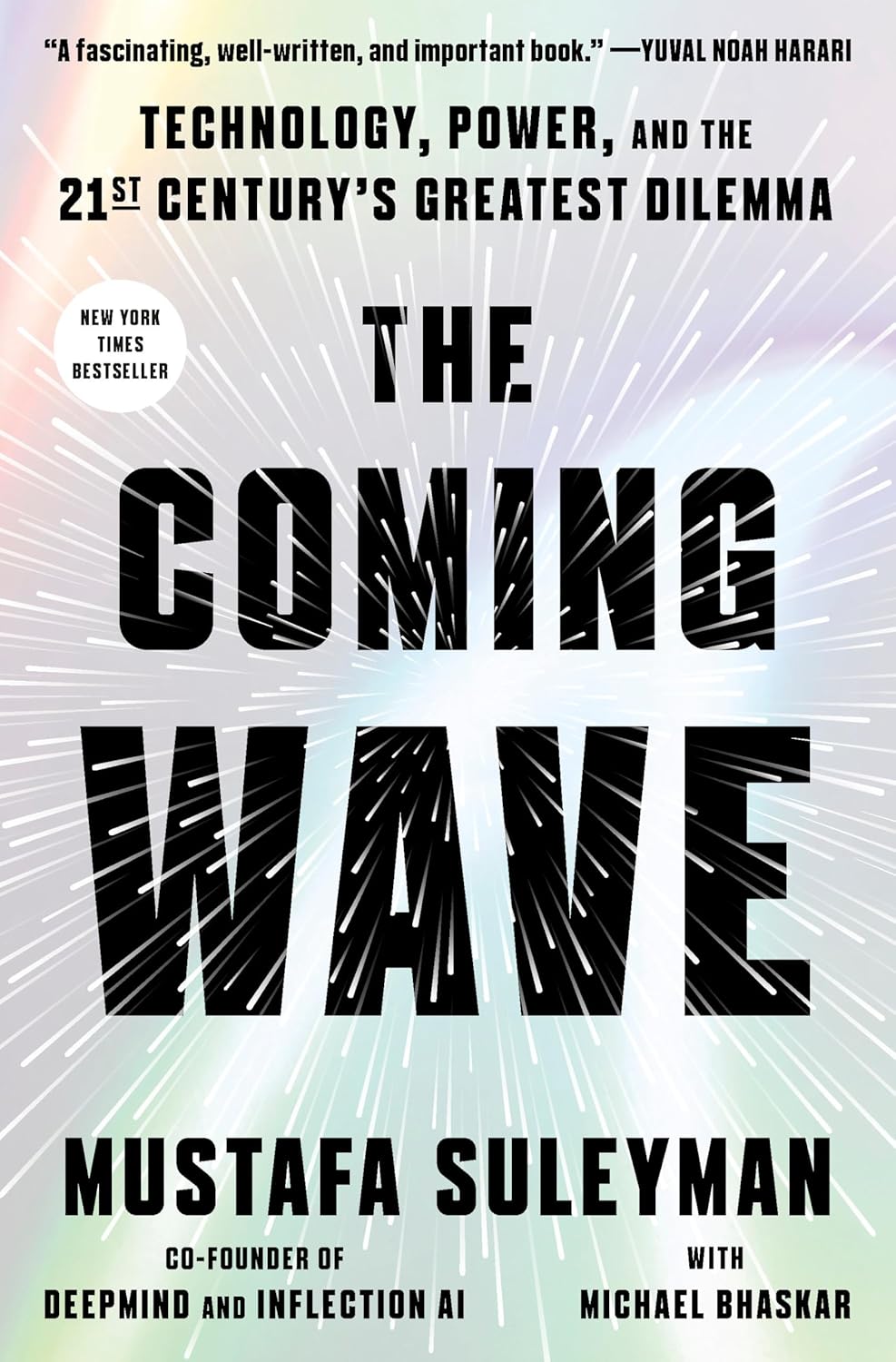
DeepMind co-founder on the dilemma of containing technologies that do not want to be contained.
The best starting book if you're not technical: a Wharton professor explains how to work WITH AI — when to delegate, when to supervise, when to keep i
As an Amazon Associate, Zendoric earns from qualifying purchases; the price does not change for you. · all our recommended books →
🔗 Related on Zendoric
- Meta sued for letting a performance algorithm decide who gets fired while on medical leave · 2026-07-15
- Anthropic bets on trust as a brand: the ad campaign that turns fear of AI into a selling point · 2026-07-11
- The AI Layoff Alibi: Big Tech Cuts Staff While Pouring Billions Into the Same Technology · 2026-07-12