The FT poses the right question in the classroom: AI isn't wiping out junior jobs, it's redefining what 'entering' the job market means

🕒 Published on Zendoric: July 20, 2026 · 00:19
✨ AI-generated · how it's made
The Financial Times devotes its education section to analyzing how AI transforms—rather than destroys—entry-level positions. The available material is a teaching resource with exam questions, not the full report, but the conceptual framework it proposes deserves its own comment.
📚 Go deeper
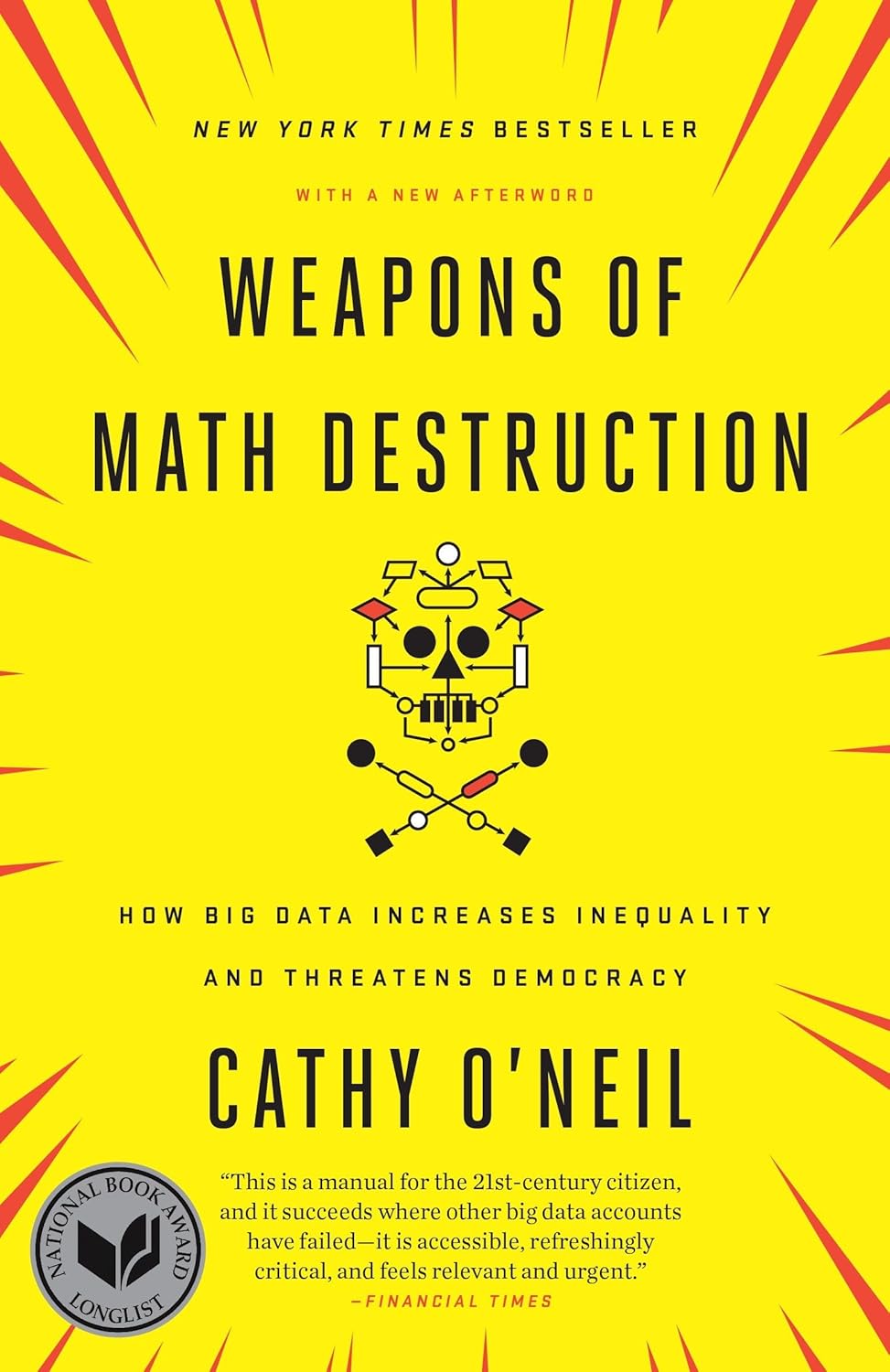
How opaque algorithms decide who gets credit, a job or parole — and why they tend to punish the same people.
As an Amazon Associate, Zendoric earns from qualifying purchases; the price does not change for you. · all our recommended books →
By Zendoric · July 19, 2026. The material we had access to is not the original Financial Times article, but the teaching sheet that the FT itself distributes through its FT Schools program: a set of economics exam questions (British A-level) built around the report "AI isn't destroying entry-level jobs. It's changing them." The full text of the analysis remains behind the paywall; what we have is the conceptual scaffolding that a teacher at Emmanuel College, Oliver Drew, has designed for his students to dissect.
That limits what we can state as fact. There are no hiring figures here, no sector data, no company testimonies: only the title-thesis and the theoretical framework the FT considers relevant to explain it. And that framework, in itself, is already revealing. The questions ask students to analyze the demand for graduates, compare how competitive labor markets respond versus monopsonies (where a single employer dominates hiring) to a productivity improvement, and assess the effects of "capital deepening" (more capital per worker) and "capital augmentation" (capital that also improves in quality) on middle managers and entry-level positions.
More interesting still is that the exercise requires handling three classic theories: skill-biased technological change (the idea that technology does not destroy jobs in a neutral way but rewards those with certain skills and penalizes those without), Schumpeterian creative destruction and Becker's human capital theory, which links investment in training with the future return in wages and employability. The final question posed to students —whether AI, despite generating structural unemployment, will inevitably end up improving living standards in economies like Britain's— is, in fact, the question we have been posing for months at Zendoric from another angle.
Our take, with the caution required when working from a teaching summary rather than the full report: the FT headline confirms something we have already maintained when analyzing the impact of AI on employment sector by sector. It is not that AI eliminates entry-level positions in a linear way, it is that it redefines which tasks justify hiring a junior. The administrative and repetitive work that traditionally served as an on-ramp —reviewing documents, summarizing information, doing initial research— is precisely what generative AI automates best. That does not necessarily mean less total hiring, but it does mean different hiring: companies looking for graduates capable of supervising, verifying and providing judgment about what the machine produces, rather than producing the first draft themselves.
The risk, and here it is worth being honest, is that this transition leaves out those who do not arrive with the right skills before the market readjusts. Becker's human capital theory assumes that training pays off over time; if the cycle of technological change accelerates faster than curricula, that return becomes uncertain for an entire generation of new graduates. It is the same pattern we have described in the professions such as law: the base of the pyramid narrows, while the value of those who provide judgment and human relationships rises. In the long term, if the productivity that AI unlocks translates into more available resources and more flexible working hours, the horizon of abundance we defend as our core thesis still stands. But the economics classroom is right to raise the question without taking the answer for granted: the short-term adjustment will be real, and who pays for it will depend on education and labor policy decisions that are yet to be made.
📚 Go deeper
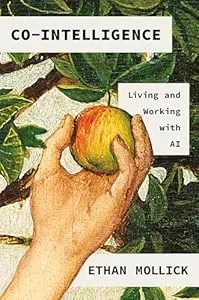
The best starting book if you're not technical: a Wharton professor explains how to work WITH AI — when to delegate, when to supervise, when to keep i
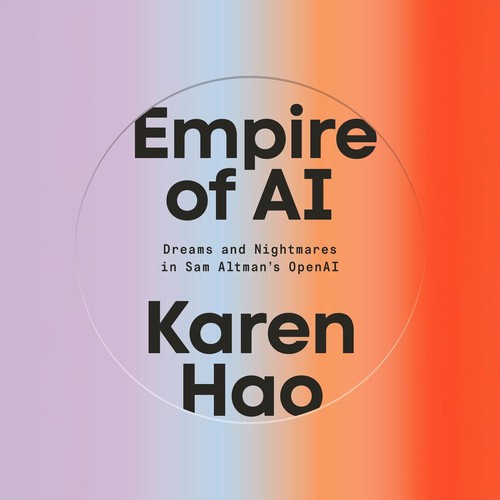
The definitive piece of investigative journalism on OpenAI: 260+ interviews, the clash between safety and speed, and the attempted firing of Sam Altma
As an Amazon Associate, Zendoric earns from qualifying purchases; the price does not change for you. · all our recommended books →
🔗 Related on Zendoric