How Bayer, Discovery Bank and Microsoft use AI on data you can't upload to a chatbot
🕒 Published on Zendoric: July 20, 2026 · 00:19
✨ AI-generated · how it's made
The article starts from a very concrete problem: almost everyone has a file they would never upload to a chatbot (a contract, a board dossier, a customer record), and although AI could help with that document, the fear of sending it to a model provider means the work still gets done by hand or…
📚 Go deeper
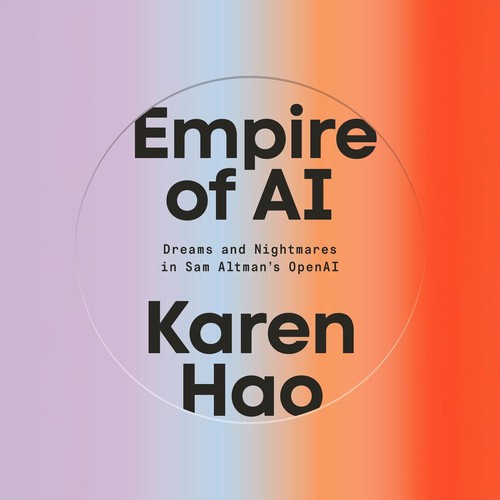
The definitive piece of investigative journalism on OpenAI: 260+ interviews, the clash between safety and speed, and the attempted firing of Sam Altma
As an Amazon Associate, Zendoric earns from qualifying purchases; the price does not change for you. · all our recommended books →
By Nate from Nate's Substack · July 19, 2026.
The article starts from a very concrete problem: almost everyone has a file they would never upload to a chatbot (a contract, a board dossier, a customer record), and although AI could help with that document, the fear of sending it to a model provider means the work still gets done by hand or simply doesn't get done at all. According to Nate, large companies are already investing real money to avoid having to choose between those two options.
The first example is Bayer. The company faced complex crop-protection questions that previously took days or weeks to resolve with the help of an agronomy adviser, and that are now answered in under thirty seconds. These are not generic farming questions: they require analyzing crop-protection product labels that can run to more than a hundred pages, where the product, the crop, the location and the specific use matter, and where a summary that sounds fluent can be wrong if it overlooks the exception that changes the recommendation. Bayer's solution was to fine-tune a small Microsoft model, Phi, using its own data from product labels, regulatory rules, and questions and answers drafted by experts.
The second case is Discovery Bank, which made a similar decision for a different type of work. The bank fine-tuned five variants on two smaller Azure OpenAI models, 4o-mini and 4.1-mini. These variants were trained for tasks such as understanding the bank's own financial language, generating SQL in the format its systems expect, and following the response templates associated with specific workflows. According to the article, the bank's average response time fell from five or six seconds to between a second and a half and two seconds.
In both cases, what the companies contributed was precisely what a public model could not know: their terminology, their rules, their examples and their own standard for what counts as an acceptable answer. The article notes that Microsoft states its customers' prompts, training files, outputs and fine-tuned models are not used to improve the general foundation model without permission, and that the model resulting from the fine-tuning remains exclusive to that customer.
Nate transfers that same logic to the scale of a single person with a laptop: instead of sending a sensitive file to a model provider, you bring the downloaded model to the file. With LM Studio, as he describes it, a person can open a synthetic or authorized document on the same machine where the model runs and disconnect the computer from the internet while working. The article is explicit in clarifying that this does not make the laptop "compliant" nor does it mean the model has learned the company's rules, but it does allow the model to flag potentially sensitive material, compare versions, extract terms, summarize a private document or prepare a draft copy proposal for a person to review, without sending the text to any provider.
The practical recommendation the author gives is to start with a single document: a local test lets you see which tasks fit on a laptop and at what point sharing, regulation, volume or the operational importance of the process force a move to an enterprise system. If that test turns into a recurring task, people will begin correcting the answers and teaching the system which exceptions matter; at that point, Nate warns, the company already owns more than the original files, and a board should know whether that work "taught" to the system will survive a change of model or provider.
The email also previews the full content of this edition, conceived as a Sunday executive briefing: the exact LM Studio setup for reading a sensitive document with the network disconnected; the case of a leak in "Grok Build," in which the model obeyed the instruction to "not open these files" but the product itself ended up uploading the entire repository; the limit of how far a laptop can go before the work must move to enterprise infrastructure; Microsoft's move toward "lock-in," that is, how the customer's corrections and permissions end up being the dependency itself, along with the key question for checking whether a model is truly "independent"; and finally a downloadable guide together with a "skill" that includes a red/amber/green sensitivity router, designed to be applied to the reader's own files.
The email closes with a call to action for the reader to bring in the file they have been avoiding working on with AI, and mentions that paying members ("Executive Circle") also receive access to an MCP server run by the author himself.
📚 Go deeper
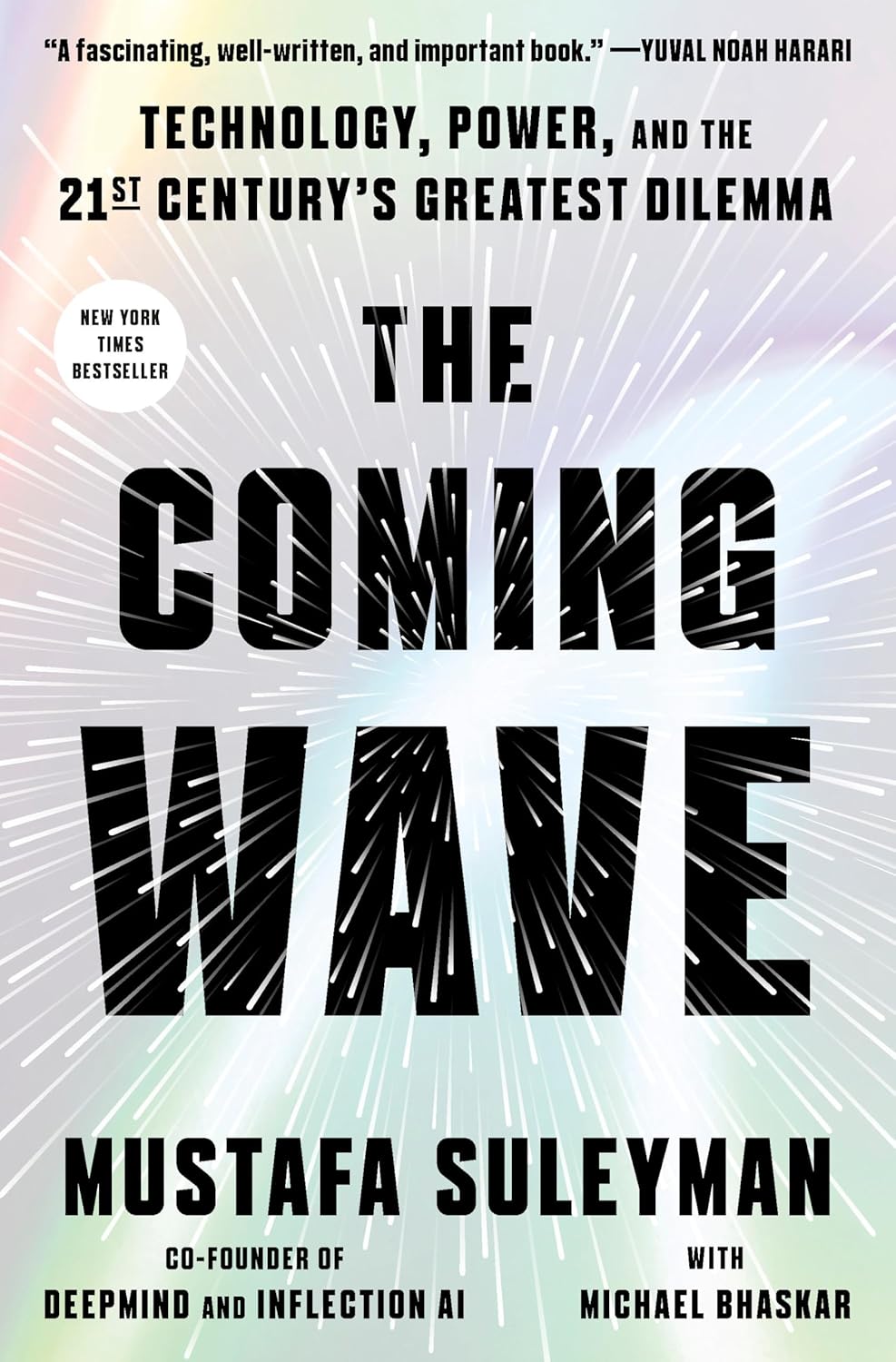
DeepMind co-founder on the dilemma of containing technologies that do not want to be contained.

The best starting book if you're not technical: a Wharton professor explains how to work WITH AI — when to delegate, when to supervise, when to keep i
As an Amazon Associate, Zendoric earns from qualifying purchases; the price does not change for you. · all our recommended books →
🔗 Related on Zendoric