AI drones to watch over the moorland: Sopó debuts a system that counts stray cattle, cow by cow

🕒 Published on Zendoric: July 19, 2026 · 00:04
✨ AI-generated · how it's made
La Sabana University and the Sopó mayor's office roll out an autonomous drone that identifies and counts cattle using neural networks, to detect when livestock invade the moorlands that supply water to millions of Colombians. It's a modest but concrete example of AI applied to land management.
📚 Go deeper

The only novel on the list, by a Nobel laureate: an artificial friend observes humans with a blend of lucidity and innocence no essay achieves.
As an Amazon Associate, Zendoric earns from qualifying purchases; the price does not change for you. · all our recommended books →
By Infobae · July 18, 2026. The Mayor's Office of Sopó (Cundinamarca) and the Universidad de La Sabana presented a pilot project that uses autonomous drones and artificial intelligence to locate and count cattle that stray into protected páramo areas. The system, developed by professors Jorge Castellanos and David Celeita, flies without human intervention along a programmed route, takes aerial photographs and uses computer vision to detect cattle and calculate how many there are at each georeferenced point.
The model was trained, as Castellanos explained, with some 800 aerial photographs of cattle. The result is a piece of software that, after each flight, delivers a map with the exact location and number of animals per zone, without an operator having to review the images one by one. The practical application is concrete: in Colombia, much of the cattle entry into páramos happens because the animals stray, not because of a deliberate decision by the rancher, and locating them in time avoids both economic losses and environmental damage.
The project matters because of what lies behind the figure. Colombia holds close to 50% of the planet's páramos, as its promoters highlighted at the presentation, and from those ecosystems comes 70% of the water consumed by some three million people in the country. At the same time, extensive cattle ranching is, according to the World Wide Fund for Nature, one of the main drivers of pressure on that ecological frontier, alongside mining and crops. The article itself cites figures that put the tension in perspective: in Guaviare alone, between 2016 and 2024 deforestation totaled 125,794 hectares while pastureland grew by 184,061, and in municipalities tied to illicit-crop substitution programs cattle-carrying capacity increased by 4%. In parallel, the agricultural sector is not marginal: Colombian agro-industrial exports surpassed 15.3 billion dollars in 2025, an all-time high.
Technically there is nothing revolutionary about this project: it is computer vision applied to counting objects from the air, a task that companies and universities have spent years solving in precision agriculture. What is relevant is not the model but the point of application. While the public conversation about AI almost always revolves around frontier models —the large language ones competing over benchmarks—, most of the practical value of this technology is being built in small, local and highly specific projects like this one: counting cows to protect a water source.
That said, it is worth keeping perspective: it is a pilot in a single municipality, with no public data yet on its accuracy rate in the field or on whether it will manage to measurably reduce cattle entry into restricted areas. Its success will depend on Sopó and the Universidad de La Sabana publishing results and on the model being replicated in other territories with páramo, which is where the dispute between extensive ranching and conservation is really fought. Our reading is that this type of initiative fits the underlying thesis we defend at Zendoric: the AI that eradicates diseases or extends life grabs the headlines, but the one that better manages the water, forests and natural resources of a specific region is the one that builds, brick by brick, the abundance we aspire to in the long term. It does not replace public policy or environmental monitoring, but it gives them a cheap and scalable tool that did not exist before.
📚 Go deeper
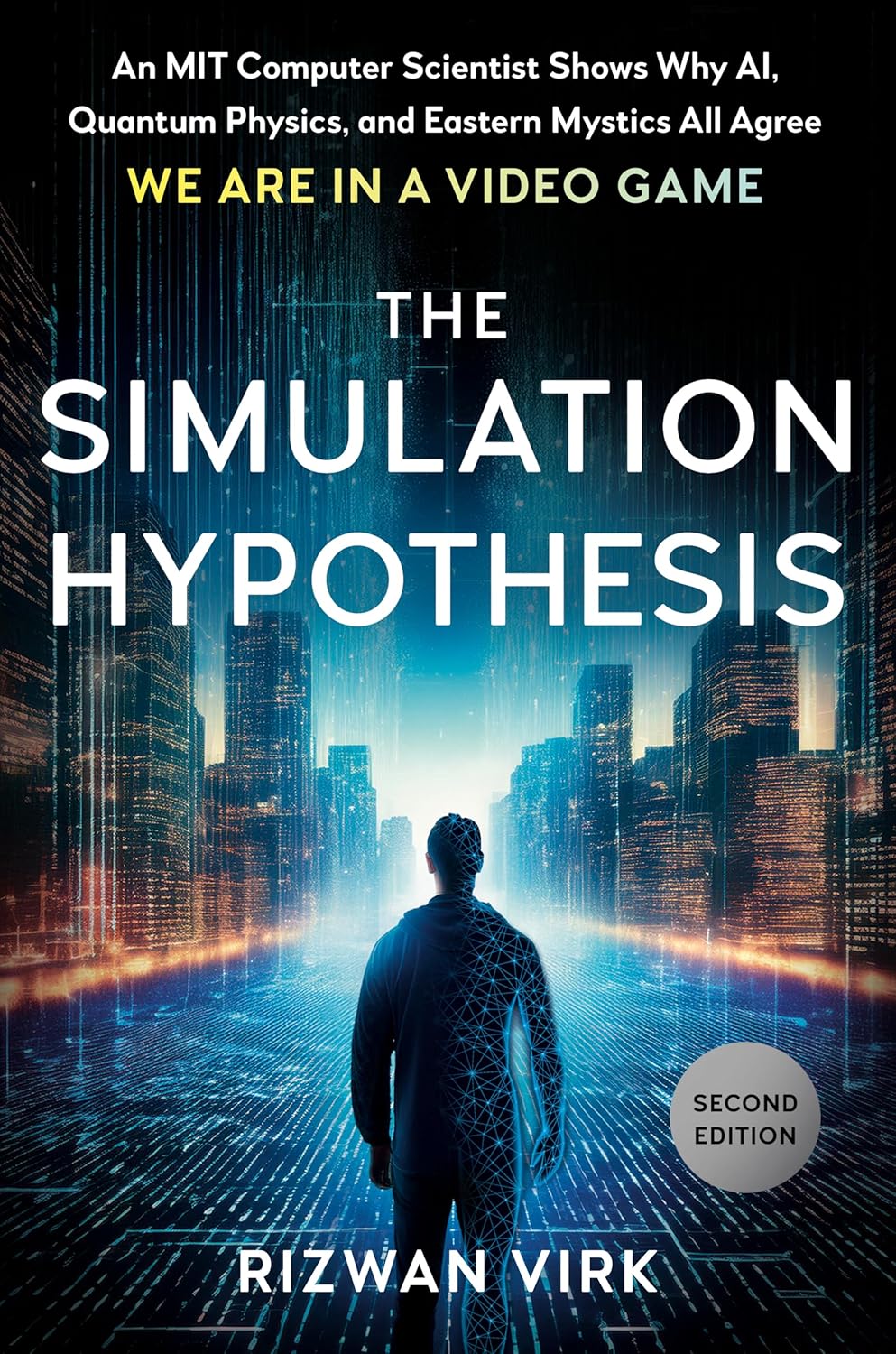
An MIT computer scientist connects AI, quantum physics and video games to take an uncomfortable question seriously: what if we live in a simulation? M
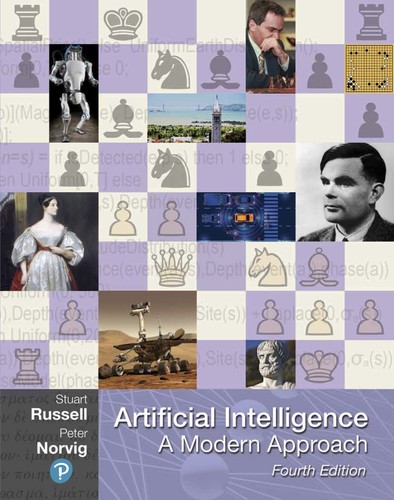
THE AI textbook: used by 1,500+ universities.
As an Amazon Associate, Zendoric earns from qualifying purchases; the price does not change for you. · all our recommended books →
🔗 Related on Zendoric
- The use of AI that doesn't make the headlines: 30 life books to keep the memory of the elderly alive · 2026-07-06
- ARBOR: when AI stops counting felled trees and starts identifying, one by one, those still standing · 2026-06-25
- AI glasses in exams: when cheating beats the top 5 of the class, the assessment system has a bigger problem · 2026-06-28