AI 'nudify' apps turn a kidney doctor's phone into a case study in on-demand abuse

🕒 Published on Zendoric: July 19, 2026 · 00:04
✨ AI-generated · how it's made
A former UF Health specialist faces 47 charges after investigators say he used AI clothing-removal apps on real photos of teenage girls saved from social media. The case, still only an accusation, shows how commodity 'nudify' tools industrialize a crime that once required skill and effort.
📚 Go deeper

AI as the latest chapter in the history of information networks, from gossip to the printing press to the algorithm.
As an Amazon Associate, Zendoric earns from qualifying purchases; the price does not change for you. · all our recommended books →
The facts, per the Alachua County Sheriff's Office complaint: Chintan Vimalkumar Shah, 40, a former Associate Clinical Professor at UF and kidney specialist at UF Health Shands, was arrested on July 8 and now faces 47 child pornography charges. Investigators say they acted on a CyberTip about a Kik account that shared a video of a nude pre-pubescent girl, then found more on his phone. According to the detective, original photos of girls around 13 or 14 in bikinis — many appearing to be screenshots saved from social media — sat beside identical images in which clothing had been removed and genitalia added by AI. One AI-watermarked image reportedly showed a nude adult woman Shah knew personally. These are accusations; he is held without bail and, under law, presumed innocent until proven guilty.
The charges themselves are the story's tell. Prosecutors have split them into possession versus creation of AI-generated child sexual abuse material, alongside conventional CSAM counts. That distinction matters: Florida, like a growing number of jurisdictions, now treats synthetic imagery of real, identifiable children as a crime in its own right — not a legal gray zone.
Context is what makes this more than a local police blotter. So-called 'nudify' apps — tools that take a clothed photo and fabricate a nude version — have become cheap, fast and frictionless. The complaint's grim detail is the workflow: a public beach photo, screenshotted from a feed with a 'Following' button still visible, run through an app, output in seconds. The technical barrier that once limited this abuse to people with real editing skill has collapsed to a single upload.
Our reading: this is exactly the near-term harm we keep flagging when we push back on both AI euphoria and AI panic. The danger here isn't a distant superintelligence — it's ordinary generative tools lowering the cost of an old crime to almost zero, and doing it to identifiable minors from images they posted innocently. The detective noted many of the girls have been identified and some parents want to press charges; the victims are real, not synthetic.
The uncomfortable governance point is that the model is rarely the chokepoint. Frontier labs largely refuse this; the abuse lives in purpose-built apps, app-store distribution, payment rails and hosting. That echoes a thesis we've argued repeatedly — as capability commoditizes, accountability shifts to the plumbing around the model: who ships the app, who lists it, who processes the payment. Platforms that let 'nudify' tools advertise, and stores that carry them, are load-bearing here in a way an abstract debate about model alignment is not.
The long-term case for AI — curing disease, extending healthy life, broad abundance — is real, and we hold to it. But that future is only credible if we are honest about the transition, and this is what the ugly edge of it looks like today: enforcement, identifiable-victim statutes and distribution-layer responsibility doing the work that model safety filters alone cannot. Optimism about the destination does not excuse looking away from the road.
📚 Go deeper
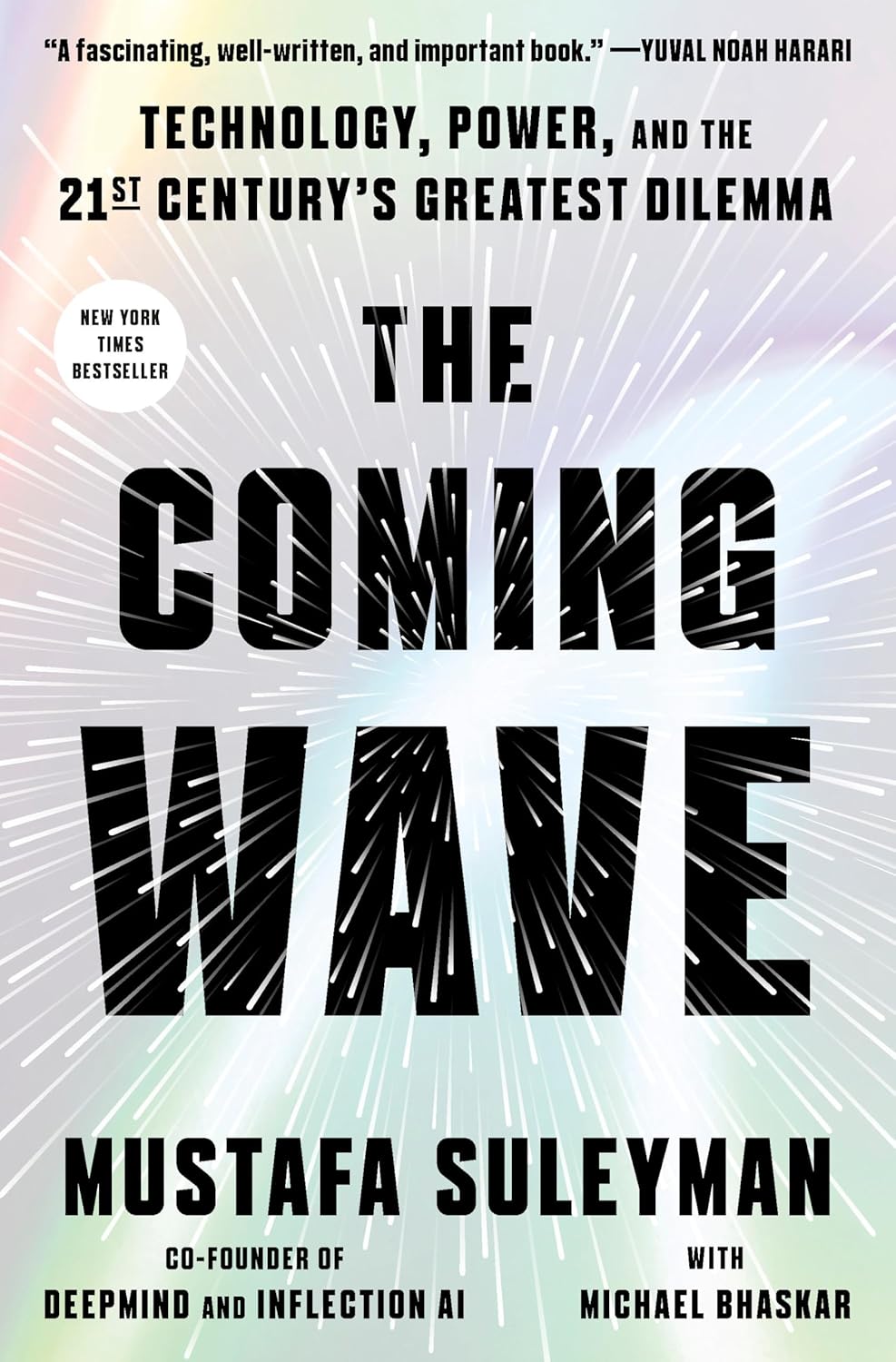
DeepMind co-founder on the dilemma of containing technologies that do not want to be contained.

The book that started the existential-risk debate and that half the industry still cites.
As an Amazon Associate, Zendoric earns from qualifying purchases; the price does not change for you. · all our recommended books →
🔗 Related on Zendoric
- Florida doctor charged with using AI 'nudify' apps on photos of minors · 2026-07-20
- A school custodian, accused of using AI to create child sexual abuse material from social media photos · 2026-07-23
- Mental health and AI: in Tres Arroyos, a neurologist opens the debate tech companies still haven't settled · 2026-07-31