Taiwan, office jobs and data-center water: the AI war isn't abstract, it's already in your pocket

🕒 Published on Zendoric: July 19, 2026 · 00:04
✨ AI-generated · how it's made
A column in Uniradio Informa Baja California connects the new AI cooperation organization China is promoting from Beijing and Shanghai with five very concrete fronts: chips, jobs, algorithmic bias, energy consumption and cognitive sovereignty. We take the occasion to separate the accurate diagnosis from the alarmism and add our own reading.
📚 Go deeper
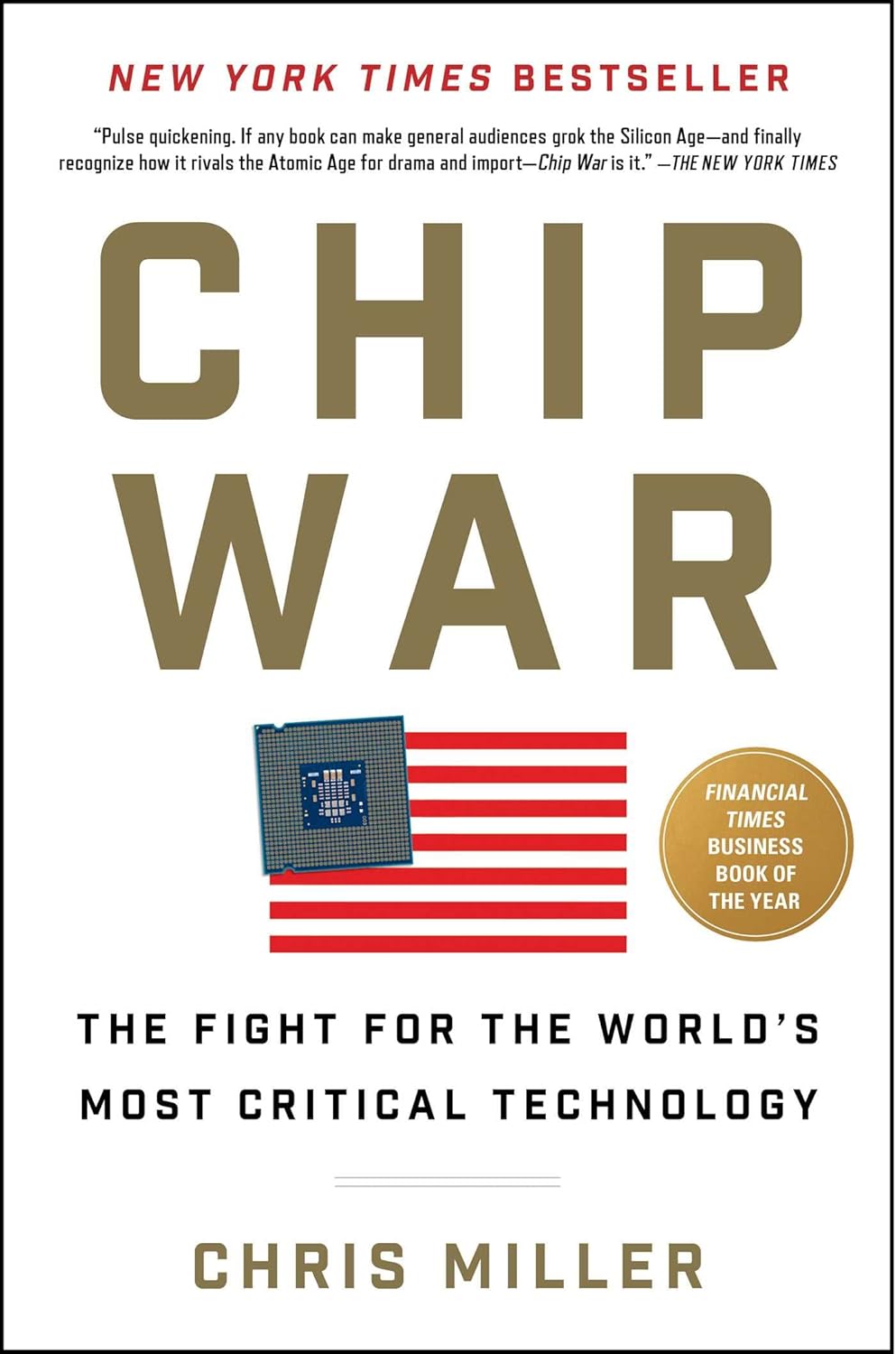
Semiconductors as the oil of the 21st century: history, espionage, and why an island of 23 million people underpins the entire AI economy.
As an Amazon Associate, Zendoric earns from qualifying purchases; the price does not change for you. · all our recommended books →
By Zendoric · July 18, 2026.
Gerardo H. Molina's column in Uniradio Informa Baja California starts from a real event: from Beijing and Shanghai, China has launched a new international AI cooperation organization with which it seeks to set the rules of the global tech game, in parallel with the United States' effort to maintain its leadership. The columnist uses that announcement as a peg to raise five fronts on which, he says, the geopolitics of AI is already seeping into everyday life: dependence on Taiwan's chips, the automation of office jobs before factory jobs, the bias of whoever programs the models, the energy and water cost of data centers, and the erosion of what he calls "cognitive sovereignty."
It is not a research paper, nor does it provide its own verifiable figures beyond the much-cited fact that around 90% of the world's most advanced semiconductors are manufactured in Taiwan, via TSMC. It is an opinion column that links together known headlines and trends in the sector. Even so, the exercise of bringing the geopolitics of AI down to daily life —the phone, the credit card, traffic— has educational merit, and deserves that we separate the wheat from the chaff.
On chips, the diagnosis is correct and we have been pointing it out: the concentration of advanced manufacturing in Taiwan is the most dangerous single point of failure in the entire AI chain. Any escalation in the strait not only makes the next phone more expensive; it can paralyze the training of the very models that sustain this industry. The United States' export controls have accelerated, not slowed, Chinese autonomy in chip design and in open-weight models such as GLM, Qwen, DeepSeek or Kimi, which already compete head-to-head with Western closed models on several benchmarks. The silicon race and the model race are the same race.
On employment, the column gets the essentials right and coincides with what we have documented sector by sector: AI automation does not repeat the script of previous industrial revolutions, which began with manufacturing. This time it hits administrative work, customer service and data processing first —so-called entry-level white collar. It is the part of the analysis where we most need to be honest in the short term: that transition is already underway and it will not be painless. But the alarmist headline should be qualified: what gets automated is the routine task, not expert judgment or the human relationship, which in law, health or education still hold up better.
The point about the bias of whoever programs deserves an important clarification the column does not make: there is no neutral AI, be it Chinese, American or European, and the risk that a centralized surveillance regime exports that control architecture along with its technology is real and is already being debated in governance forums. But turning it into a "good guys versus bad guys" axis oversimplifies a problem that also runs through Western democracies, where the concentration of power in a handful of private labs raises similar questions about who decides a model's default values.
The reference to the energy and water consumption of data centers is the most solid and least discussed point in the text: training and running inference with large models demands electricity and cooling infrastructure on a scale that competes for real physical resources with other uses, something the sector in general is beginning to acknowledge openly in its own sustainability reports, not just external critics.
And on "cognitive sovereignty," the column unknowingly touches on a debate that is already advancing in the educational arena: systematically delegating thinking to an assistant has a cost, and the response beginning to be tried is not to ban the tool but to reintroduce deliberate friction —thinking before asking, writing by hand, questioning the default answer. The risk is not that AI decides for us; it is that we stop noticing that it is doing so.
Our underlying reading is that these five lines, though stated in generic form, point to the same thesis we hold: in the short term the transition will be uneven and it is worth watching closely who controls the chips, the data and the standards. In the long term, if the race is managed with the right safeguards, the same technology that today raises concern over jobs and energy consumption is the one that can multiply the capacity for medical diagnosis, discover drugs and free up human time for the work that really matters. The sensationalist headline of the technological "war" hides, for better or worse, a real opportunity if it is governed with judgment.
📚 Go deeper
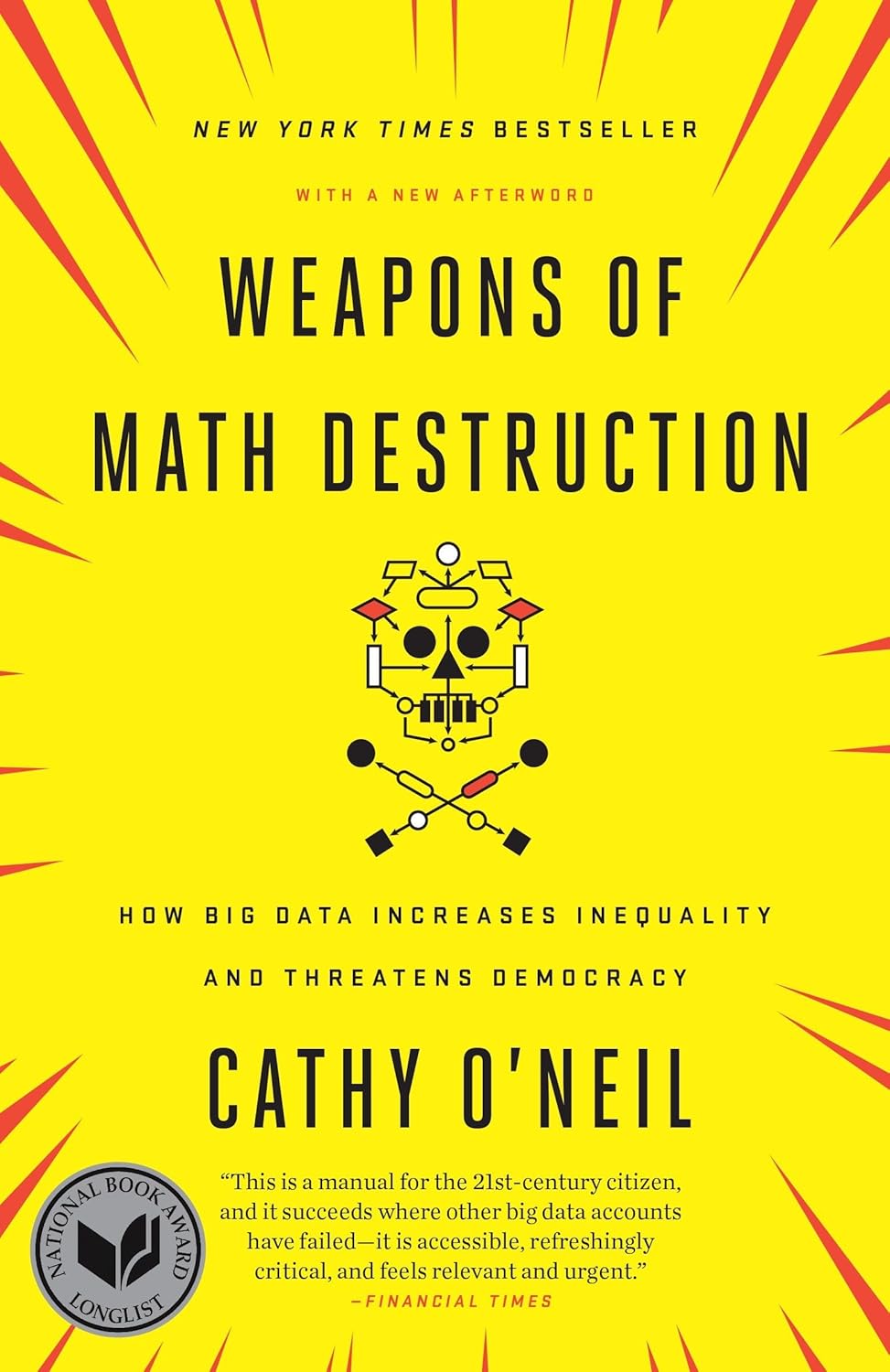
How opaque algorithms decide who gets credit, a job or parole — and why they tend to punish the same people.
The best starting book if you're not technical: a Wharton professor explains how to work WITH AI — when to delegate, when to supervise, when to keep i
As an Amazon Associate, Zendoric earns from qualifying purchases; the price does not change for you. · all our recommended books →
🔗 Related on Zendoric
- The Pentagon wants AI data centers on military bases; a single one in Texas would rival El Paso's electricity consumption · 2026-07-26
- Meta and Qualcomm seal an alliance that moves mobile energy efficiency to the heart of the AI data center · 2026-06-25
- AI glasses in exams: when cheating beats the top 5 of the class, the assessment system has a bigger problem · 2026-06-28