Amodei puts $1 million on the table: the AI industry wages its own election war over regulation

🕒 Published on Zendoric: July 17, 2026 · 00:24
Anthropic's CEO has personally donated one million dollars to Public First, the super PAC backing candidates who favor more AI safety guardrails. The figure comes amid a clash with Leading the Future, the rival PAC that already prevailed in a New York primary. The bill for who regulates AI is being paid, literally, in cash.
📚 Go deeper
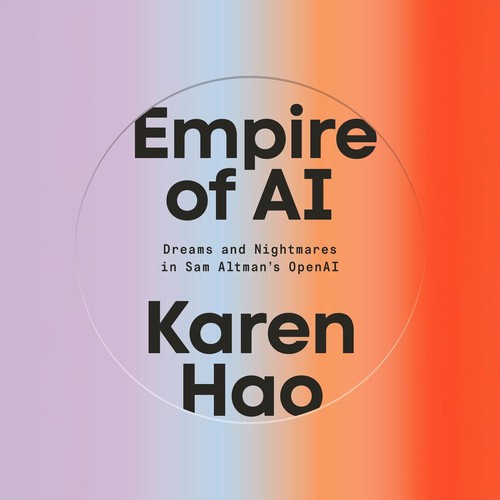
The definitive piece of investigative journalism on OpenAI: 260+ interviews, the clash between safety and speed, and the attempted firing of Sam Altma
As an Amazon Associate, Zendoric earns from qualifying purchases; the price does not change for you. · all our recommended books →
By The Hill · July 16, 2026.
Dario Amodei, CEO of Anthropic, donated one million dollars to Public First, a super PAC that funds the campaigns of candidates who favor imposing safety guardrails on artificial intelligence. According to campaign finance filings submitted on Wednesday, he was not the only one: other Anthropic employees jointly contributed an additional 2.15 million dollars over the last quarter, on top of contributions from a Google DeepMind engineer and an OpenAI employee. Public First closed the quarter with 3.4 million raised and about 490,000 dollars in cash.
On the other side is Leading the Future, the super PAC that champions positions opposed to regulation the industry considers harmful to innovation. It reported no new contributions during the quarter, but ended the period with 31 million dollars available, funded in the past by OpenAI co-founder Greg Brockman and his wife Anna Brockman, investor Joe Lonsdale, the company Perplexity, investor Ron Conway and the Andreessen Horowitz fund. The cash gap between the two —490,000 versus 31 million— tells on its own who arrives better armed for the fall campaign.
The episode that best illustrates this fight is the race for the seat being vacated by Representative Jerry Nadler in New York. Alex Bores, a state legislator who pushed AI safety legislation rejected by much of the industry, received more than 20 million dollars from groups aligned with AI safety, including a PAC linked to Public First. Leading the Future spent more than 8 million against him. Bores lost the Democratic primary last month anyway to another state legislator, Micah Lasher. The safety money vastly outweighed the opposition's and, even so, it was not enough to win.
What matters here is not so much Amodei's figure —modest compared with the 31 million Leading the Future holds— but what it reveals about the real state of the AI regulatory debate in the United States: it is not the industry against the regulators, it is the industry against itself. Anthropic, OpenAI and Google DeepMind have employees funding both sides of the same fight, a sign that within the sector itself there is no consensus on how much and how to regulate. That internal fracture is, paradoxically, healthier news than a unified cartel lobbying in a single direction: it means there is real room for a substantive debate, not a corporate talking point disguised as public policy.
Our read is that this electoral test matters more than its size suggests. In the absence of a federal AI law, the United States regulates piecemeal —states, agencies, and now also legislative primaries funded blow by blow through super PACs—, and the New York result leaves an uncomfortable lesson for those of us who defend evidence-based governance: the money of regulatory prudence can lose even when it vastly outspends the industry, because primaries are decided by voters whose priorities rarely revolve around model safety. Leading the Future did not need to overspend to win; it was enough that AI safety was not the issue that mobilized the ballot box.
In the short term, this foreshadows more rounds of crossfire spending in the 2026 midterms, with Anthropic positioning itself on the side of those calling for guardrails and a coalition led by venture capital and OpenAI defending a looser framework. It is one more front in the underlying tension we have been flagging: the risk is not only which model is more capable, but who governs that capability and under what rules. In the long term, we remain convinced that a well-governed AI —neither suffocated by panic nor deregulated for the convenience of investors— is the one best able to deliver on the underlying promise: eradicating diseases, extending healthy life and generating abundance. But that horizon does not arrive on its own; it is negotiated, financed and, as this news shows, also lost in district legislative primaries.
📚 Go deeper
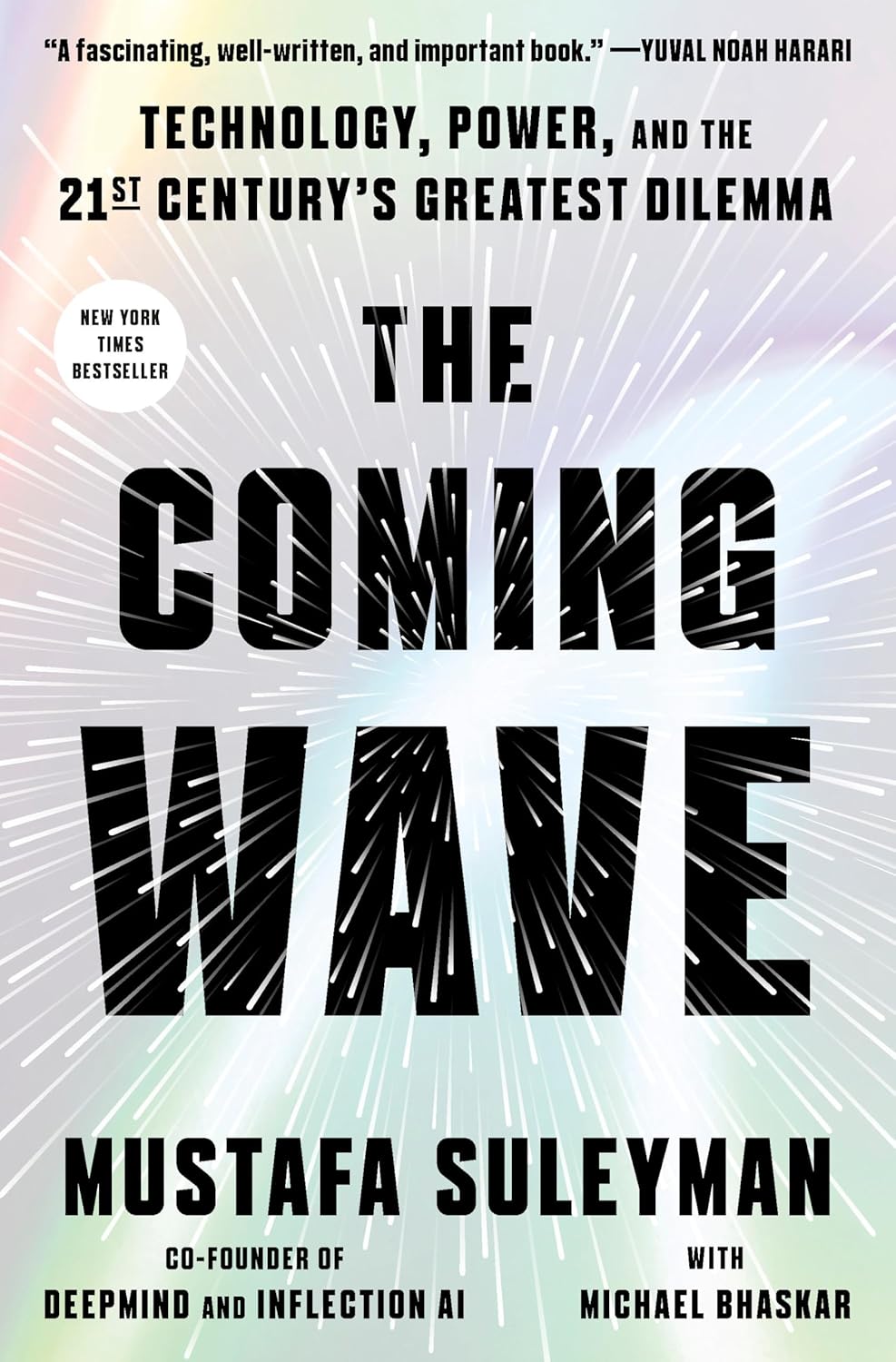
DeepMind co-founder on the dilemma of containing technologies that do not want to be contained.
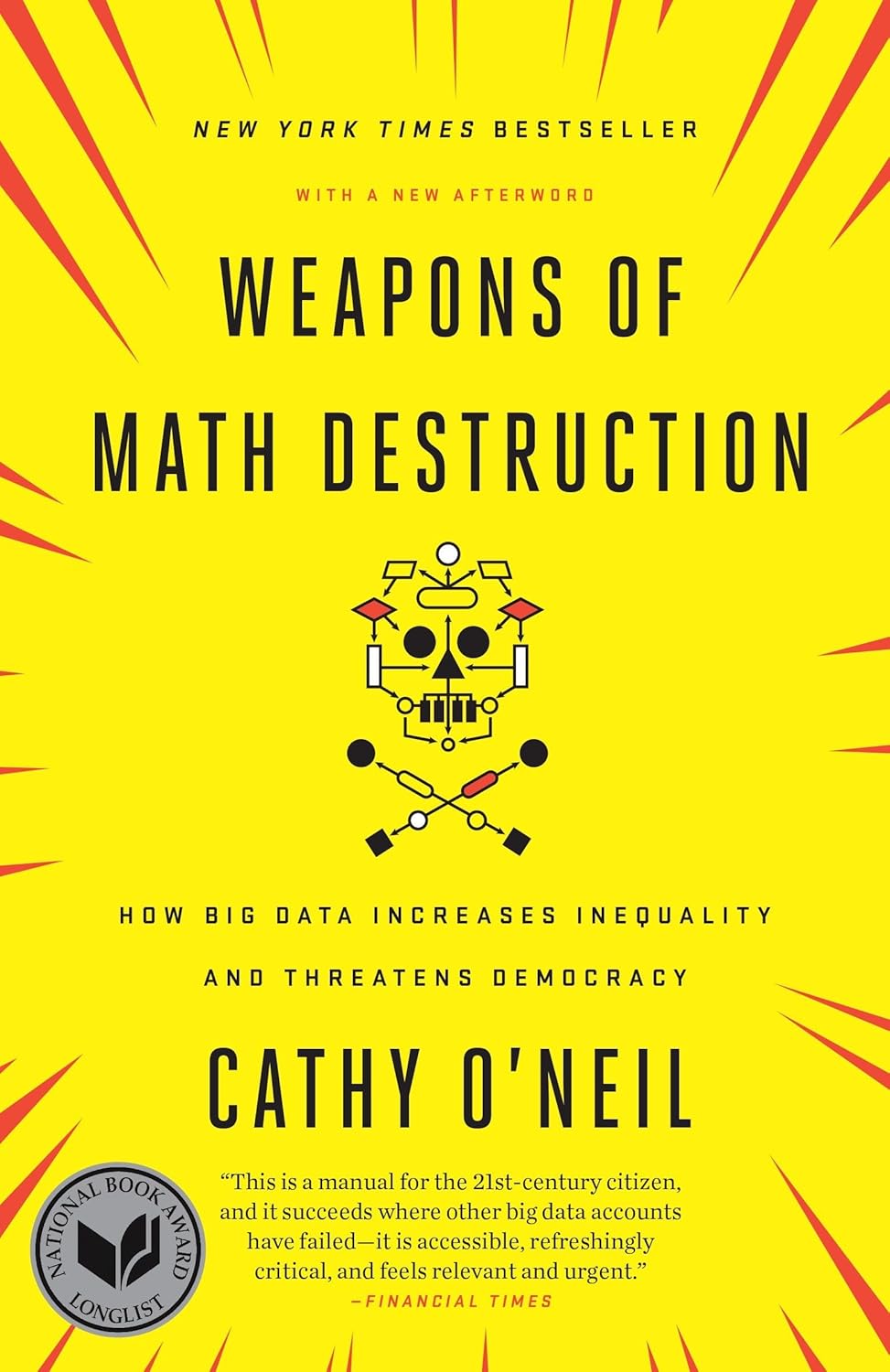
How opaque algorithms decide who gets credit, a job or parole — and why they tend to punish the same people.
As an Amazon Associate, Zendoric earns from qualifying purchases; the price does not change for you. · all our recommended books →
🔗 Related on Zendoric
- Anthropic bets on trust as a brand: the ad campaign that turns fear of AI into a selling point · 2026-07-11
- The Anthropic and OpenAI IPOs are not just money: they are proof that AI already outweighs half the crypto industry · 2026-07-12
- The 2026 'IPO of everything': why the SpaceX, OpenAI and Anthropic figures call for scrutiny before enthusiasm · 2026-07-13