The Banco Master fraud touches Brazil's first AI mega-center: RT-One restarts from scratch in Uberlândia
🕒 Published on Zendoric: July 17, 2026 · 00:24
✨ AI-generated · how it's made
RT-One canceled the contract for a 96-hectare plot for its AI data center plan in Brazil after it emerged that the fund that owns it is under investigation for financial fraud linked to Banco Master. The case exposes a little-discussed risk of the AI infrastructure boom: due diligence on who controls the land and the energy.
📚 Go deeper
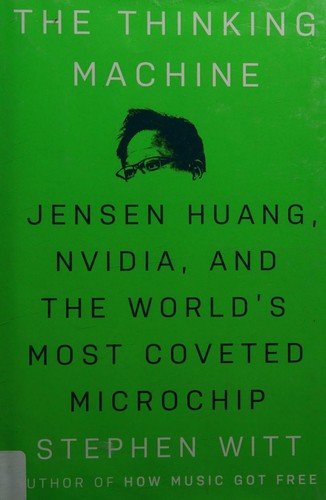
The story of NVIDIA and Jensen Huang: how a video-game card company ended up making the most coveted resource on the planet.
As an Amazon Associate, Zendoric earns from qualifying purchases; the price does not change for you. · all our recommended books →
By BNamericas · July 17, 2026.
RT-One, the firm that planned to build in Uberlândia (Minas Gerais) an AI mega data center valued at 6 billion reais (some 1.2 billion dollars), has terminated the lease on the 96-hectare plot where it was to be built. The reason: the land belongs to the Bacuri Real Estate Investment Fund, managed by Reag Trust and, later, by WNT Capital, both flagged by Brazil's Federal Police in an investigation into financial and accounting fraud linked to Banco Master. The case came to light thanks to The Intercept Brasil, and the Federal Public Prosecutor's Office documents reveal a detail that on its own justifies the suspicions: RT-One would pay barely 1,000 reais a month for 15 years for a plot whose book value, according to the Bacuri fund's own records, had jumped from 14 to 76 million reais. Added to that is a parallel civil investigation over the lack of environmental permits and the project's possible impact on the region's water and energy consumption.
RT-One has hurried to distance itself: it says it acted only as a tenant, did not take part in the fund's management or in the appraisal of its assets, has no relationship with the consultancy that set that value, and had no knowledge of any public investigation at the time it signed. The termination, the company stresses, is 'amicable' and does not imply any admission of wrongdoing. That may be true in formal terms —the fraud, if confirmed, would be on the part of the fund's managers, not the technology company— but the episode leaves an uncomfortable question about the asset-selection process: a lease at a token price for 15 years on land whose value had been multiplied fivefold on the books is exactly the kind of anomaly that any minimally rigorous due diligence should have flagged before signing, not after a media outlet exposed it.
The project was neither small nor improvised: RT-One had already secured the construction contract with Engemon Engenharia and supply agreements with Hitachi Energy (electrification), WEG, Munters, Siemens, Vertiv and Schneider Electric —that is, the usual industrial ecosystem of a large-scale AI campus. All of that is now on hold while the company searches 'from scratch' for a new location, inside or outside Uberlândia. RT-One's broader plan —15 billion reais (some 3 billion dollars) across three AI data center campuses in Brazil— remains in place, and the second project, in Maringá (Paraná), within an export processing zone with tax incentives, has not been affected for now.
Our reading is that this is not a case about AI models, but about the physical and financial plumbing that underpins the race to build its infrastructure, and that is where it is worth looking more closely in the coming quarters. Brazil, like much of Latin America, has become an attractive destination for the accelerated construction of AI data centers thanks to its relatively cheap energy and available land; but that same speed —capital that needs to be deployed now, land that must be secured now, construction timelines counted in months— is fertile ground for opaque financial vehicles, real estate funds with inflated appraisals, and contracts no one scrutinizes until a journalist pulls the thread. No catastrophism about an 'AI bubble' is needed to point out that the pace of infrastructure investment is, in some corners, outrunning the capacity of institutions and of the companies themselves to verify who they are signing with. In the long run we remain convinced that this expansion of compute is what will make possible much of the abundance AI promises —more capacity to research diseases, to model materials, to automate the tedious— but that future is built, literally, on plots of land and specific contracts, and episodes like the one in Uberlândia are a reminder that the governance of the infrastructure boom needs the same seriousness as the governance of the models themselves. Whoever manages that counterparty risk best —and not just the technological risk— will be the one who builds, without upsets, the data centers that the next decade of AI will need.
📚 Go deeper
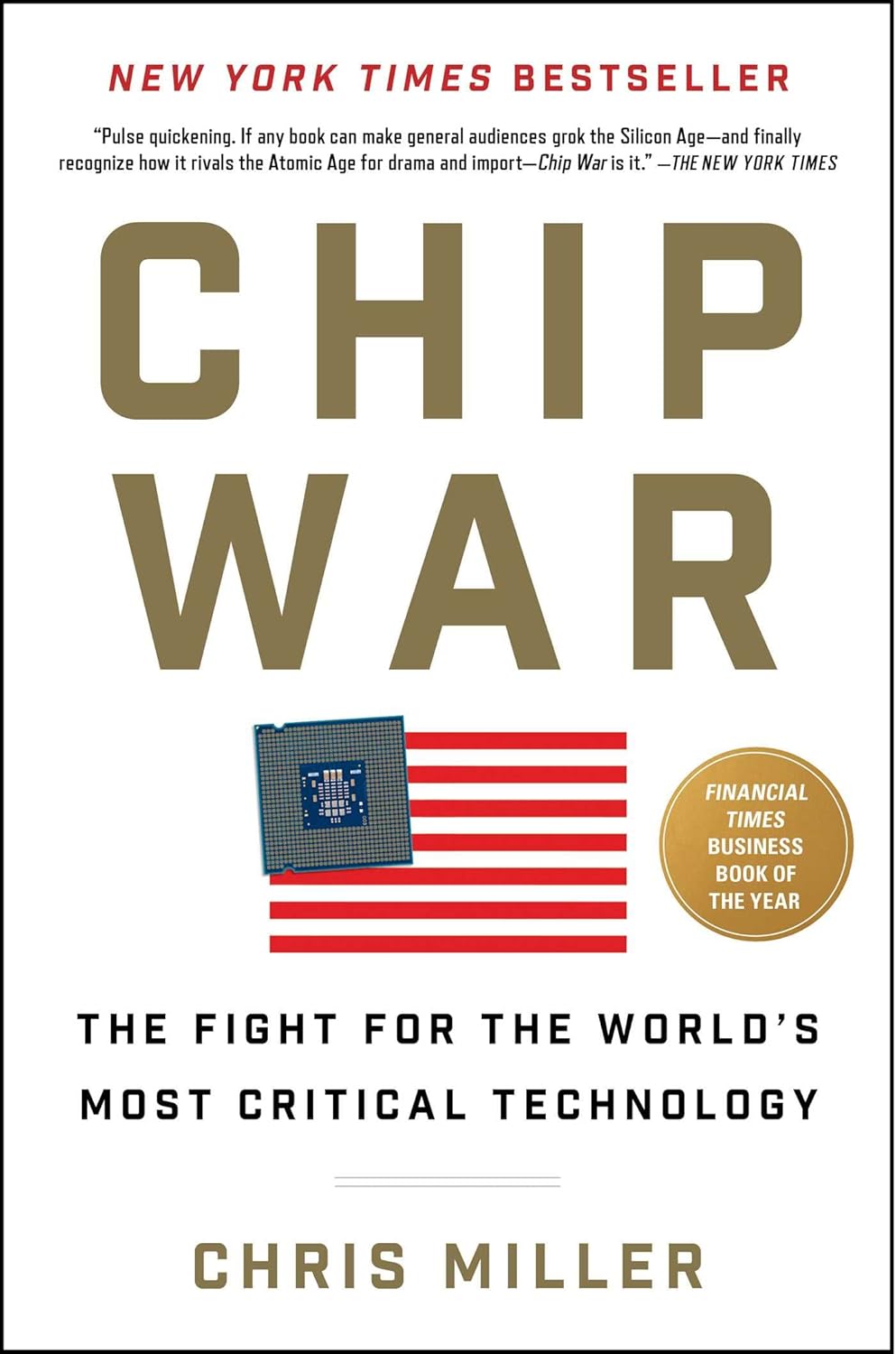
Semiconductors as the oil of the 21st century: history, espionage, and why an island of 23 million people underpins the entire AI economy.
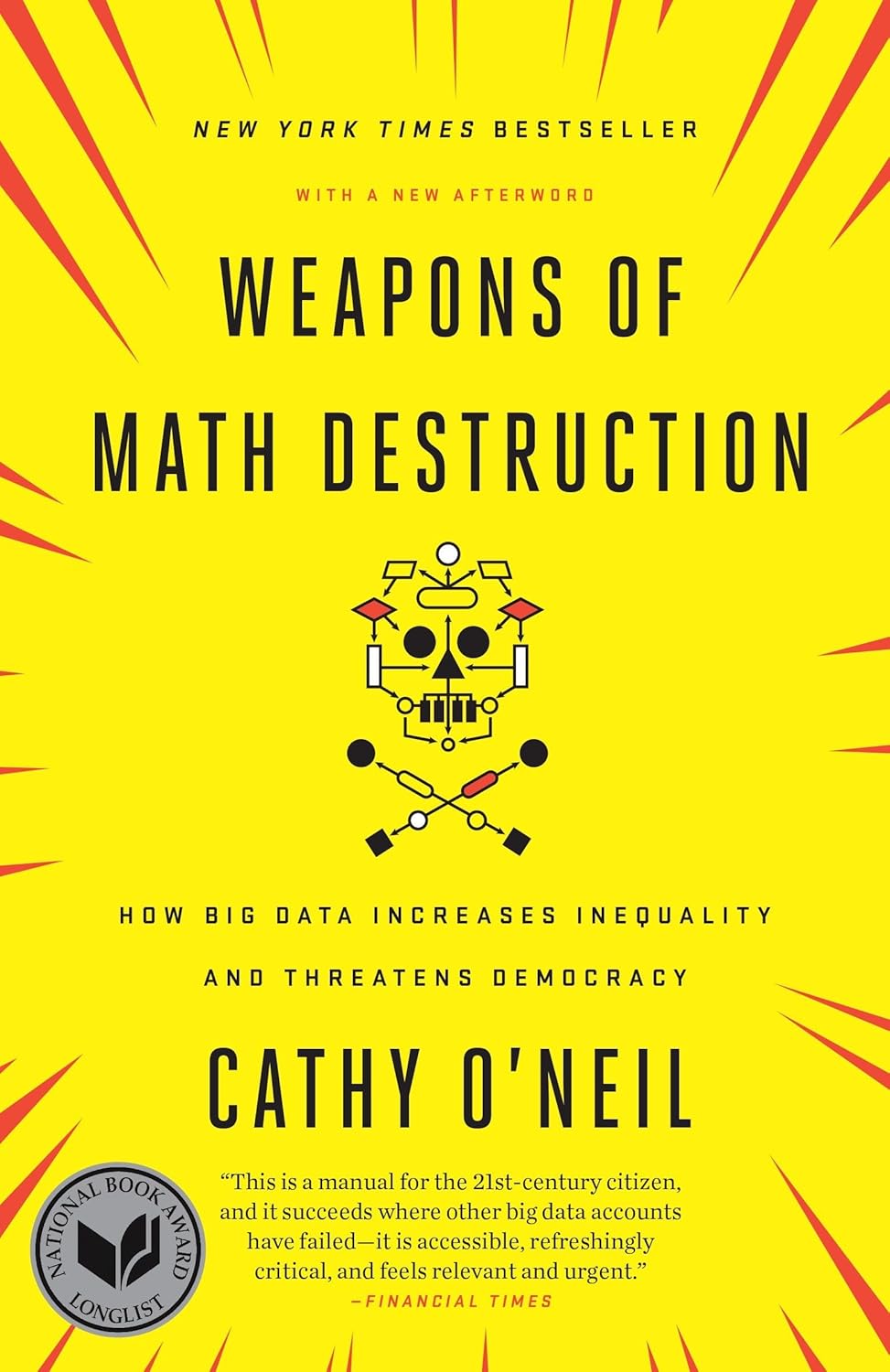
How opaque algorithms decide who gets credit, a job or parole — and why they tend to punish the same people.
As an Amazon Associate, Zendoric earns from qualifying purchases; the price does not change for you. · all our recommended books →
🔗 Related on Zendoric
- Meta and Qualcomm seal an alliance that moves mobile energy efficiency to the heart of the AI data center · 2026-06-25
- Celaya bets on an AI command center: predictive surveillance with accountability still pending · 2026-06-26
- The home as a power plant: distributed energy enters the data center equation · 2026-06-27