Parents' fear of AI in the classroom exposes an educational gap, not a technological problem

🕒 Published on Zendoric: July 16, 2026 · 00:23
✨ AI-generated · how it's made
Half of American parents believe their children rely too much on AI to study, according to Deloitte. The most telling figure isn't the fear, but that only 1 in 3 trust that schools are preparing kids to live alongside it.
📚 Go deeper
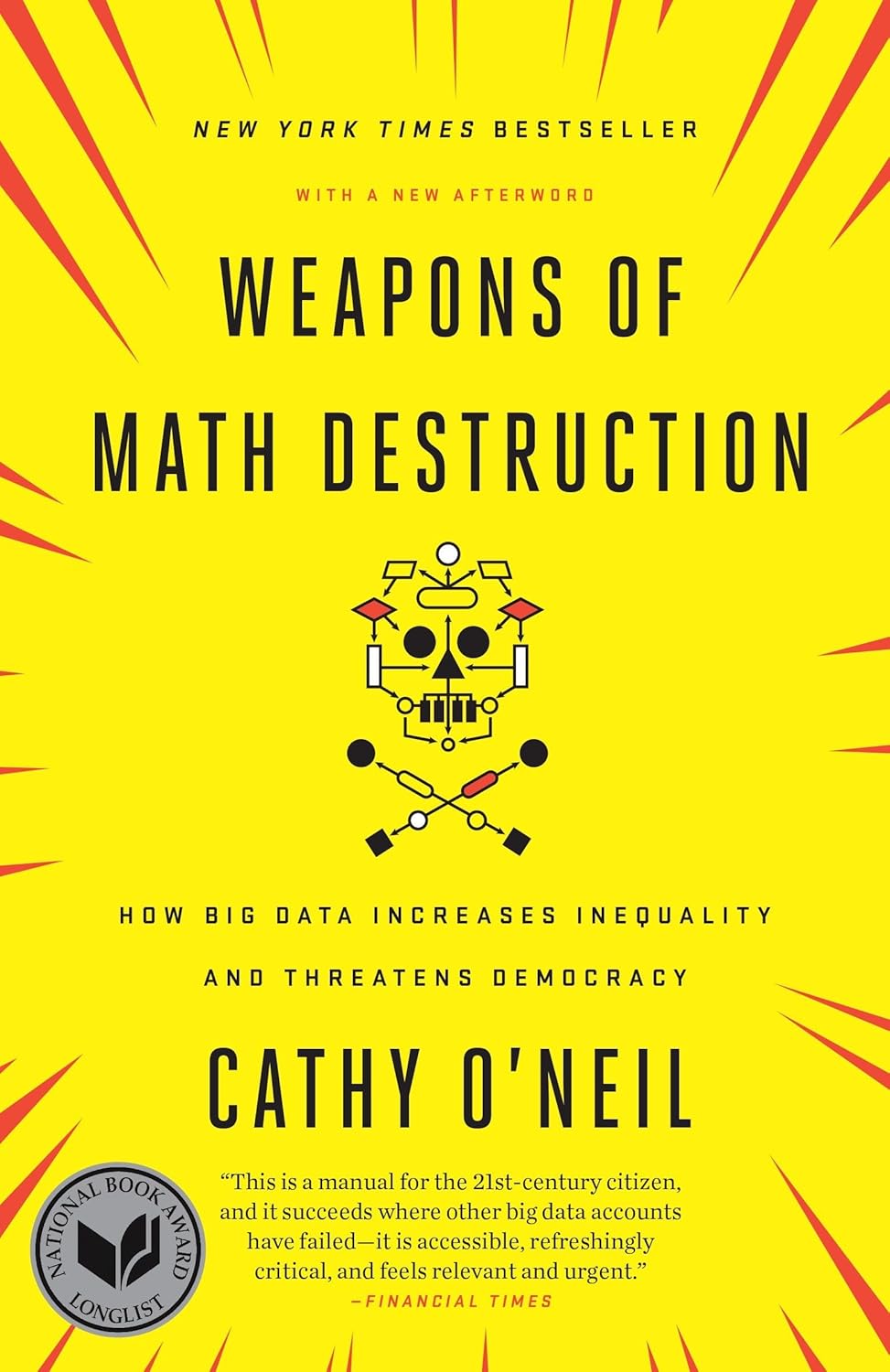
How opaque algorithms decide who gets credit, a job or parole — and why they tend to punish the same people.
As an Amazon Associate, Zendoric earns from qualifying purchases; the price does not change for you. · all our recommended books →
By The Washington Times · July 15, 2026.
Deloitte's annual survey, which polled 1,207 parents of K-12 students between May 22 and 29, yields three figures worth looking at together. Forty-nine percent of parents worry that their children rely too heavily on generative AI, both inside and outside the classroom. Thirty-five percent believe schools are not preparing students for a future shaped by this technology. And only 28% acknowledge that their children already actively use it to do homework. The gap between the fear (49%) and the acknowledged use (28%) is, in itself, a data point: there is more anxiety floating in the air than concrete evidence of a massive problem, which does not invalidate the concern but does call for nuance.
The context the article provides is more interesting than the headline. A March report from Stanford's SCALE initiative found that students who used AI in math, programming and writing performed better than those who did not, but that advantage vanished as soon as the tool was taken away from them. It is probably the most important finding in the entire piece: it does not describe an AI that teaches, but an AI that temporarily substitutes for competence without building it. Add to that the fact that more than half of teenagers already use chatbots to look up information or complete assignments (Pew, February) and that universities are waging an uneven battle against misuse, with detection software whose reliability, according to a Nature analysis, varies widely from one tool to another. The picture that emerges is not that of a malignant technology, but that of an educational infrastructure that has not yet decided what role to give AI or how to assess real learning when the tool is always at hand.
At Zendoric we have spent months pointing out that AI's impact on employment is concentrated in routine and administrative tasks, while judgment and human relationships hold up. Education is the terrain where that same pattern is decided before it reaches the labor market: if a student outsources reasoning to a model during the very years in which they should be building it, they arrive in the professional world without the muscle that precisely distinguishes those who will know how to direct AI from those who will only know how to ask it for things. That is the real short-term problem, and it has nothing to do with the technology being dangerous, but with pedagogy not having caught up. The detail that only 13% of parents are willing to pay for tutoring or specific AI courses for their children confirms that most families, like schools, have not yet decided whether this is taught actively or endured passively.
Our reading is that a pattern we have already seen in other sectors is repeating itself here: technology makes a capability cheaper and more widespread —in this case, resolving doubts and writing— before the institutions that teach how to use it with judgment exist. In the short term that generates real friction: atrophy of basic skills, assessments that have to be redesigned, schools running after the problem with unreliable detection software. But the same technology that today generates dependency is, in its mature form, the one that allows for personalized tutoring available 24 hours a day for any child, something that until now only families with more resources could afford. If educational AI is designed well —as scaffolding that is progressively removed, not as a permanent crutch—, the same instrument that today frightens half of parents could be the one that equalizes educational opportunities in a way no traditional academic support has achieved. Senator Bill Cassidy's statement cited in the article, on teaching responsible use alongside the tool itself, points in the right direction, but for now it remains a political intention and not a real curriculum in most classrooms.
The risk, as in so many other areas of this transition, is not AI itself, but the uneven speed between adoption and institutional adaptation. Schools that resolve that gap sooner —by teaching how to use AI as a tool for thinking and not as a shortcut— will give their students an advantage that will last well beyond this survey.
📚 Go deeper

AI as the latest chapter in the history of information networks, from gossip to the printing press to the algorithm.
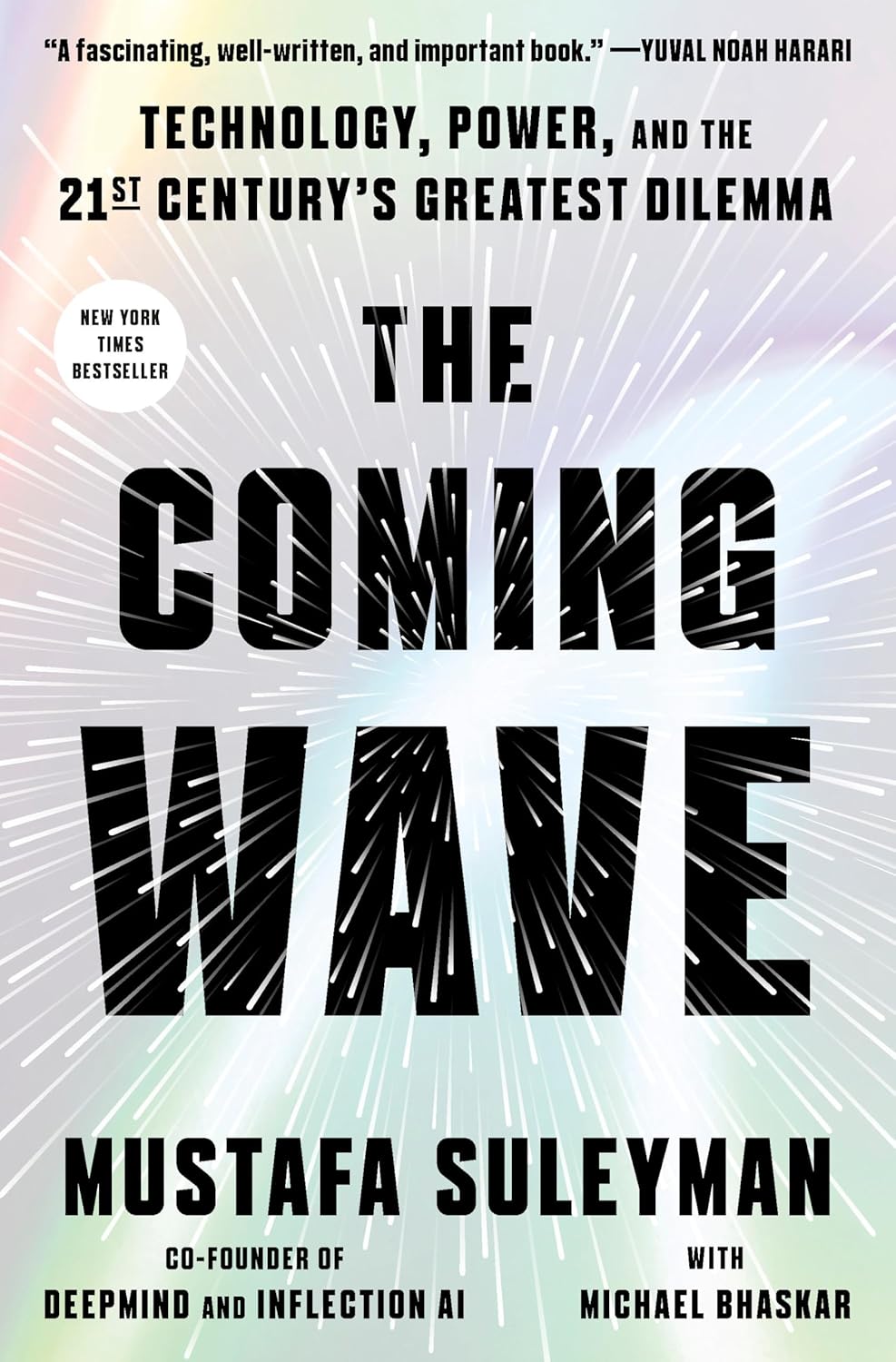
DeepMind co-founder on the dilemma of containing technologies that do not want to be contained.
As an Amazon Associate, Zendoric earns from qualifying purchases; the price does not change for you. · all our recommended books →
🔗 Related on Zendoric
- When ChatGPT Plays War Oracle: The Clickbait Problem That Misreads What AI Actually Does · 2026-07-12
- Deepfakes at the Pellegrini: when generative AI becomes a weapon of gender-based violence in the classroom · 2026-07-12
- Anthropic removes its hidden code against Chinese distillation: protecting the model, at the cost of trust · 2026-07-02