Has China obtained the world's most important EUV lithography machine? ASML denies U.S. accusations
🕒 Published on Zendoric: July 15, 2026 · 08:41
Important notice: the content downloaded from this Economist article is, in practice, only the teaser ahead of the paywall. After the headline and the first introductory paragraph, the text cuts off and what follows is solely site navigation, links to other sections and a footer, with no further development…
📚 Go deeper
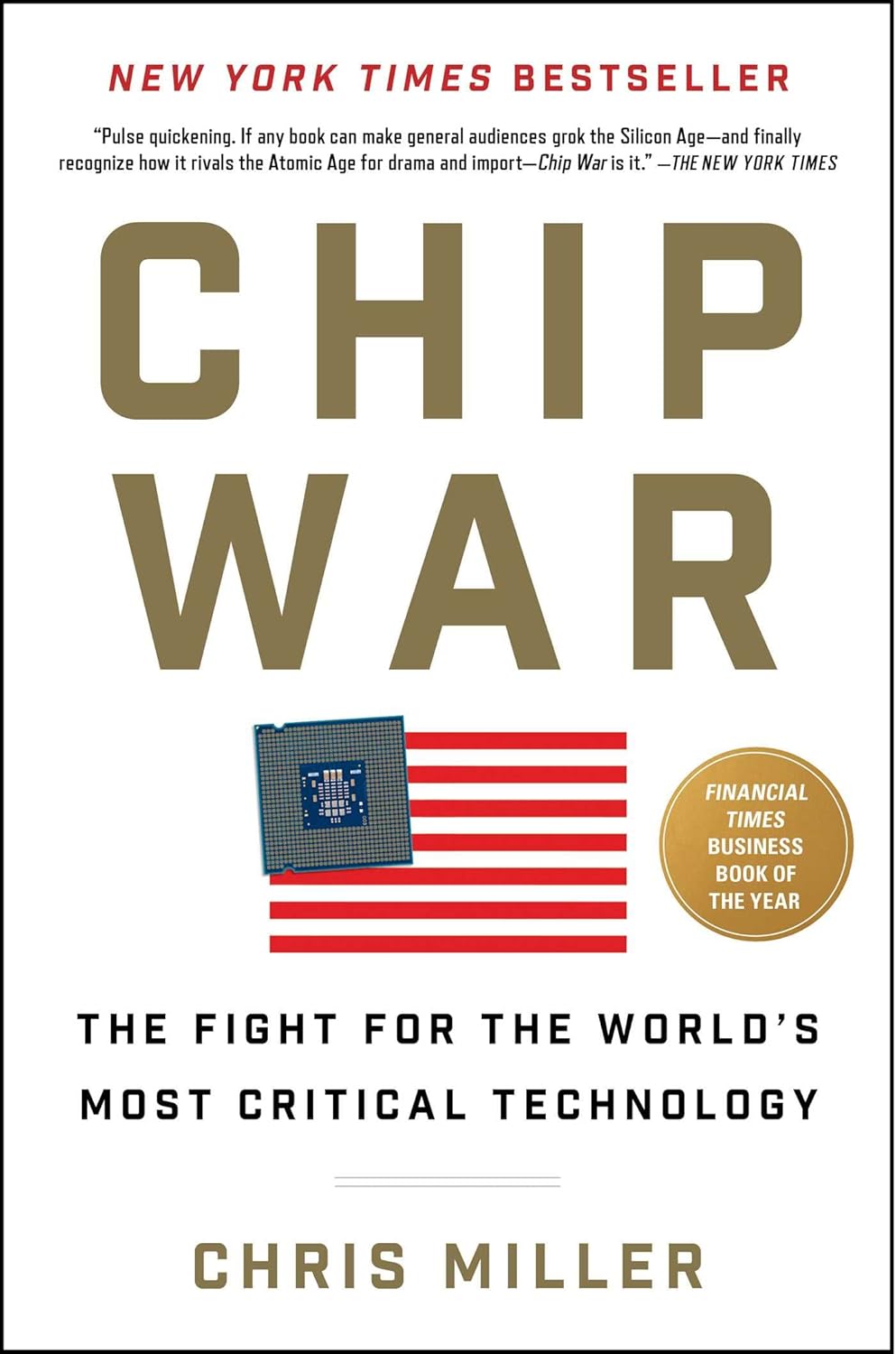
Semiconductors as the oil of the 21st century: history, espionage, and why an island of 23 million people underpins the entire AI economy.
As an Amazon Associate, Zendoric earns from qualifying purchases; the price does not change for you. · all our recommended books →
Important note: the content downloaded from this article in The Economist is, in practice, only the teaser preceding the paywall. After the headline and the first introductory paragraph, the text cuts off, and what follows is exclusively site navigation, links to other sections and footer, with no actual development of the story. This summary is therefore deliberately brief and sticks strictly to the little that does appear in the material received.
The article, published in The Economist's China section under the headline "Dutch masters" (11 July 2026 edition), poses as its central question whether China has managed to obtain what it describes as "the world's most important machine": a reference to extreme ultraviolet (EUV) lithography equipment, a key technology for manufacturing the most advanced semiconductors and produced worldwide only by the Dutch company ASML. According to the outlet's own brief summary accompanying the link in this newsletter, ASML has publicly rejected US claims that one of these critical machines had reached China, although the body of the article with the details of that dispute is not available in the downloaded content.
The only part of the original piece that survives is the historical introduction with which the author frames the topic: a review of how the Netherlands has been, over the centuries, a recurring hub of technology transfers with enormous geopolitical impact. The text recalls that in the 17th century Dutch financial and agricultural innovations spread to Great Britain, helping to drive the Industrial Revolution and the expansion of the British Empire. It also mentions that the Russian tsar Peter the Great studied Dutch shipbuilding techniques to build the fleet that turned Russia into a naval power in the 18th century. And it cites the case of A.Q. Khan, the Pakistani scientist who in the 1970s stole blueprints from a Dutch laboratory to launch Pakistan's nuclear program, knowledge that later helped seed similar programs in North Korea, Iran and Libya.
With that historical framing, the article seems to suggest a parallel: just as the Netherlands has historically been a point of leakage —whether intentional or not— of sensitive technologies to other powers, the underlying question would be whether something similar could now be happening with ASML's EUV lithography technology and its possible arrival in China, amid the export restrictions on chip-manufacturing equipment imposed by the United States and its allies.
No further concrete data is available in the material received: there are no details on which US authority made the accusation, when the alleged transfer took place, what model of machine is involved, or what ASML's exact response was beyond what is indicated in the newsletter's brief headline. Nor are there figures, specific dates for the hypothetical transfer, or statements quoted verbatim from the company or officials. Given the lack of access to the full body of the article, it is not possible to offer a more extensive analysis without engaging in speculation unsupported by the available text.
📚 Go deeper
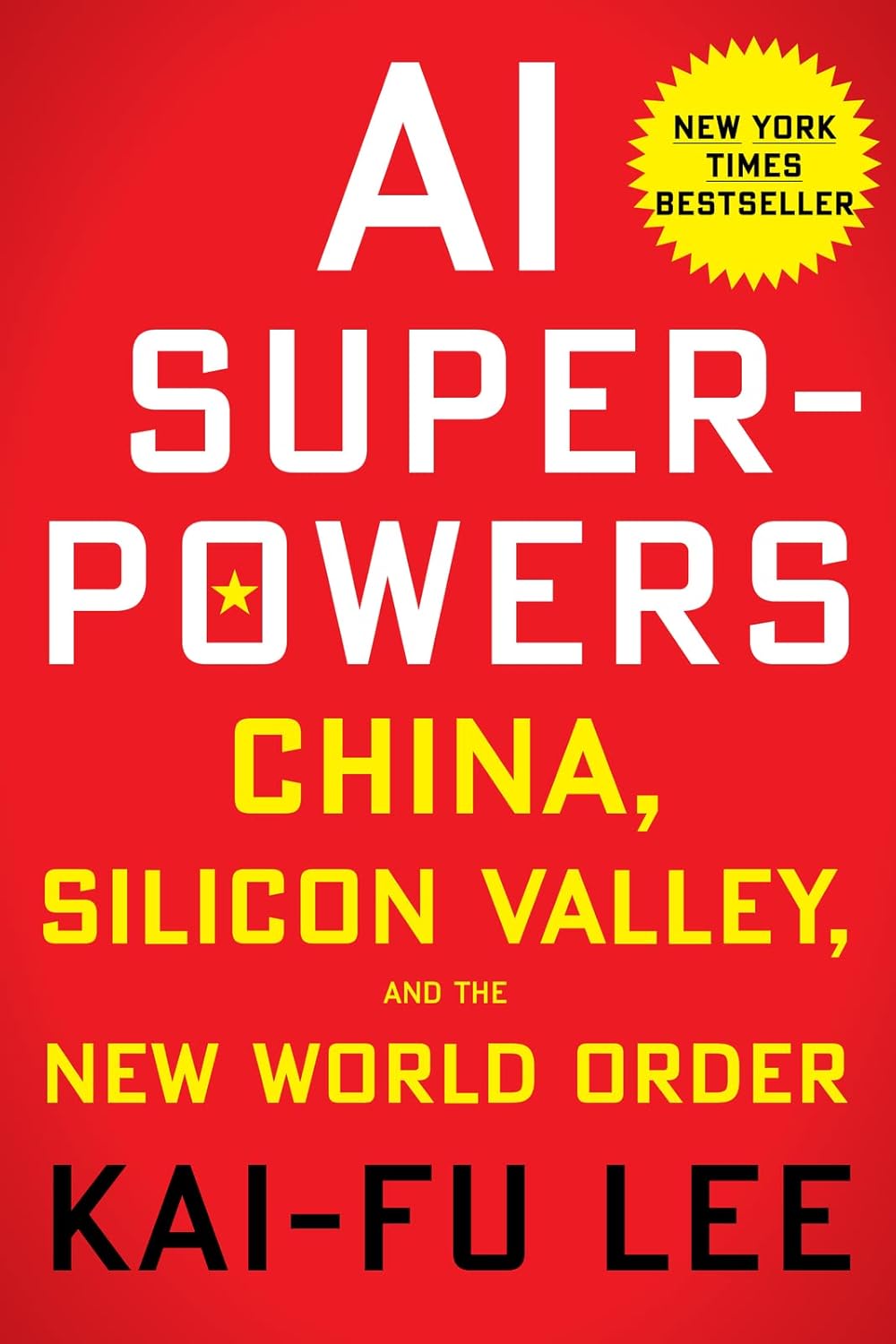
China vs.
The story of NVIDIA and Jensen Huang: how a video-game card company ended up making the most coveted resource on the planet.
As an Amazon Associate, Zendoric earns from qualifying purchases; the price does not change for you. · all our recommended books →
🔗 Related on Zendoric