The Apple-OpenAI Trade-Secret Suit Is Serious. The Musk-Altman Name-Calling Isn't

🕒 Published on Zendoric: July 14, 2026 · 00:03
✨ AI-generated · how it's made
Apple has sued OpenAI over alleged theft of trade secrets, and within days the story collapsed into a schoolyard exchange of "scam" insults between Musk and Altman. Our take: separate the real legal question from the ego theater, because only one of them matters.
📚 Go deeper
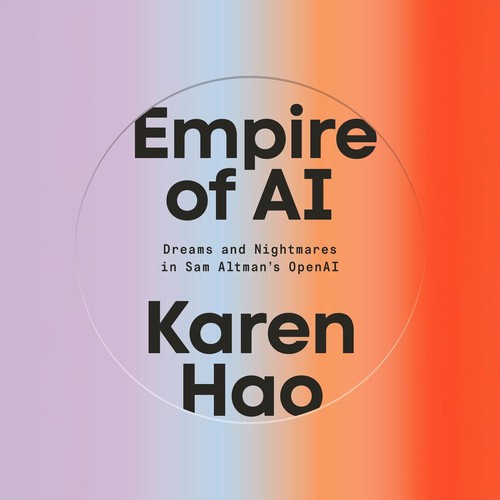
The definitive piece of investigative journalism on OpenAI: 260+ interviews, the clash between safety and speed, and the attempted firing of Sam Altma
As an Amazon Associate, Zendoric earns from qualifying purchases; the price does not change for you. · all our recommended books →
The facts, stripped of the spectacle: Apple has sued OpenAI, alleging that two employees mishandled confidential information as they moved between the companies. According to Apple's complaint, OpenAI Chief Hardware Officer Tang Tan emailed himself details about Apple's suppliers and asked Apple staff to bring parts to job interviews, while technical staff member Chang Liu allegedly downloaded confidential files and coached an Apple colleague on copying them. OpenAI denies any interest in rivals' trade secrets, saying it remains "focused on building innovative technology." These are allegations, not findings; a court will decide.
What actually dominated the coverage, though, was not the litigation but the sideshow it triggered. Elon Musk revived his "Scam Altman" nickname on X, accusing the OpenAI chief of loving scamming "more than any human alive." Altman fired back at Musk over "short-term space datacenters" and, tellingly, framed the whole feud as validation: "the most reliable way to tell" that OpenAI's new model is the best, he wrote, "is that elon is obsessed with me again." It is worth remembering the backstory here — Musk co-founded OpenAI, sued it in 2024 over its drift from nonprofit roots, and lost when a jury found in May that he had waited too long to bring the case.
Why this matters beyond the entertainment value: the Apple suit points at a genuine, unglamorous problem the industry keeps under-discussing — the security of proprietary information when a handful of firms compete ferociously for the same scarce talent. When engineers move between Apple, OpenAI, and everyone else, the hardware and supply-chain knowledge they carry is exactly the kind of asset that gets contested in court. PYMNTS' own related coverage frames it correctly as an enterprise data-risk story about employee offboarding, not a celebrity brawl. That is the signal buried under the noise.
Our reading: this episode is a small case study in how AI's most powerful people manage attention, and why observers should discount the theater and price in the substance. The insults are cost-free performance; they generate engagement, rally fan bases, and — as Altman all but admitted — double as marketing for a model launch. None of it tells you anything about who is right on the merits. The trade-secret claims, by contrast, are the part with real stakes: for the individuals named, for how aggressively frontier labs poach hardware talent, and for the norms that will govern an industry now building physical devices, not just software.
We are long-term optimists about where this technology leads — toward tools that compress the cost of discovery in medicine, science and beyond. But that future is built by institutions, contracts and courts that enforce boundaries, not by billionaires trading "scam" barbs. The healthy instinct for anyone watching is to invert the attention the feud is designed to capture: give the personalities less oxygen and the legal and governance questions more. The maturity of this field will be measured by how well it handles the boring, consequential stuff — data handling, talent mobility, fair competition — long after the latest X thread is forgotten.
📚 Go deeper
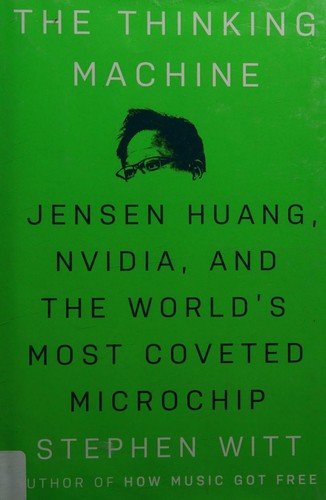
The story of NVIDIA and Jensen Huang: how a video-game card company ended up making the most coveted resource on the planet.
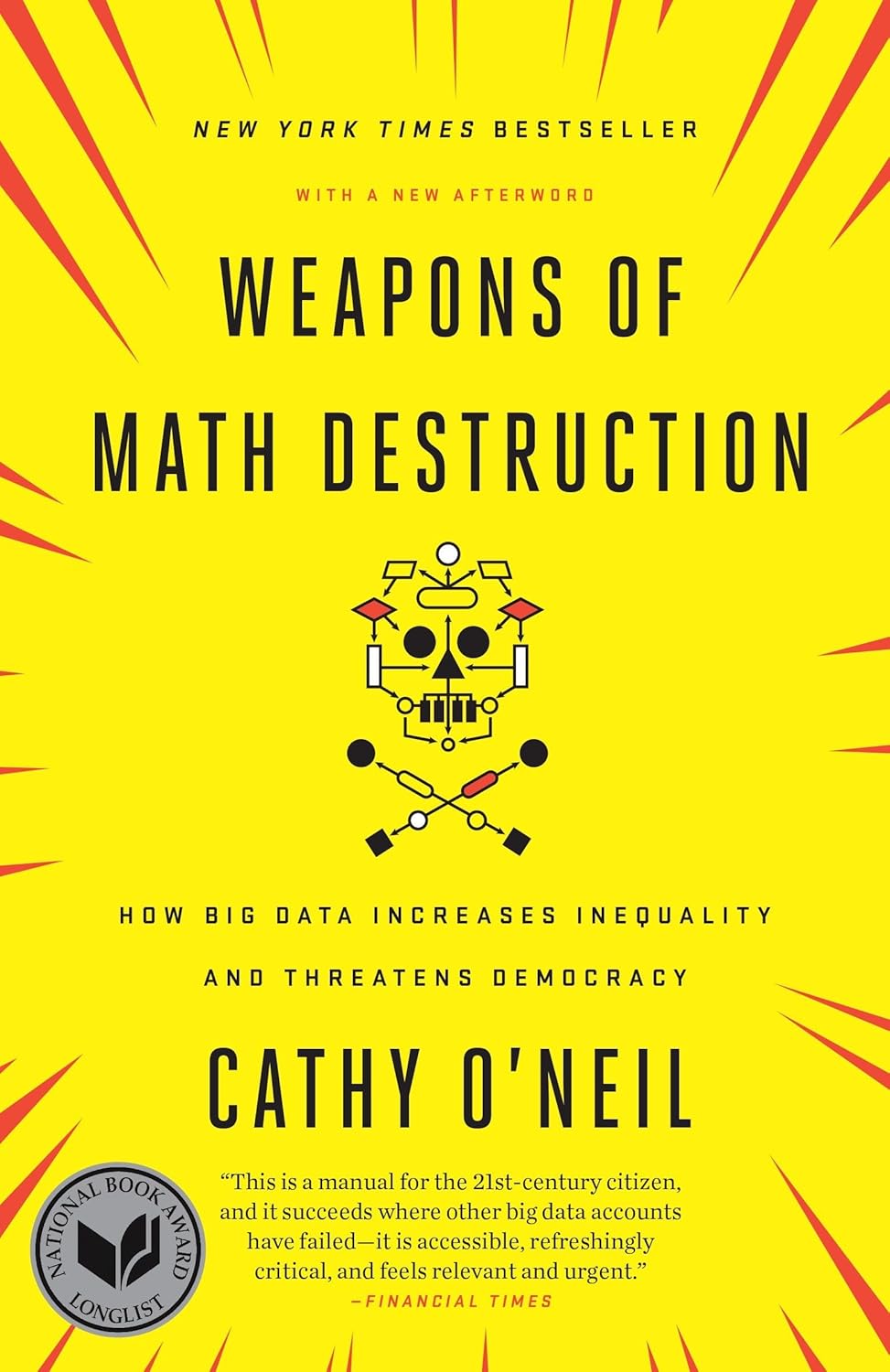
How opaque algorithms decide who gets credit, a job or parole — and why they tend to punish the same people.
As an Amazon Associate, Zendoric earns from qualifying purchases; the price does not change for you. · all our recommended books →
🔗 Related on Zendoric