Apple sues OpenAI over alleged theft of trade secrets for its hardware project
🕒 Published on Zendoric: July 14, 2026 · 00:03
✨ AI-generated · how it's made
Apple filed a lawsuit against OpenAI on Friday, accusing the artificial intelligence company of stealing trade secrets as part of an effort to build its own hardware device.
📚 Go deeper
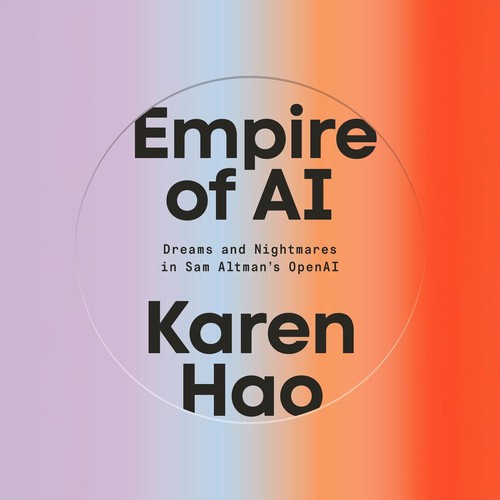
The definitive piece of investigative journalism on OpenAI: 260+ interviews, the clash between safety and speed, and the attempted firing of Sam Altma
As an Amazon Associate, Zendoric earns from qualifying purchases; the price does not change for you. · all our recommended books →
Apple filed a lawsuit against OpenAI on Friday, accusing the artificial intelligence company of stealing trade secrets as part of an effort to build its own hardware device. The complaint holds that OpenAI recruited Apple employees and persuaded them to share confidential material, product designs and other information closely guarded by the Cupertino company.
An Apple spokesperson explained that "significant evidence has recently emerged suggesting that individuals employed by OpenAI misappropriated Apple's secret and confidential information about our unreleased technologies, processes and products." For his part, Drew Pusateri, an OpenAI spokesperson, said the company is reviewing the court filing and stated: "We have no interest in other companies' trade secrets. We remain focused on building groundbreaking technology that empowers people around the world."
This lawsuit marks a dramatic turn in the relationship between the two tech giants, which in 2024 had announced a major alliance under which Apple would integrate ChatGPT, OpenAI's chatbot, into the operating systems of the iPhone, iPad and Mac. However, when Apple unveiled its revamped Siri voice assistant last month, the artificial intelligence component was based on Google's Gemini model rather than ChatGPT, a clear sign of the cooling between the two companies.
According to the article, tensions between Apple and OpenAI began to surface last year, when OpenAI spent 6.4 billion dollars to acquire a hardware startup founded by Jony Ive, the longtime Apple designer, signaling that the artificial intelligence company was moving into hardware. That startup, io Products, is also named as a defendant in Apple's complaint. In its filing, Apple states that "OpenAI's nascent hardware business now rests on the shakiest of foundations, corrupted at its core by its unlawful reliance on misappropriated trade secrets."
The lawsuit details that several former Apple employees joined OpenAI taking the company's trade secrets with them. Among those named is Tang Yew Tan, currently OpenAI's head of hardware and a former Apple vice president. According to the complaint, Tan took information about Apple's suppliers to his new job and encouraged candidates interviewed at OpenAI to reveal more of the company's confidential information. The text of the lawsuit itself cites that Tan "has instructed job candidates who still work at Apple to bring 'actual pieces' of Apple to their interviews, for 'show and tell' sessions in which he and his team at OpenAI can obtain even more of Apple's confidential information."
Another former Apple employee mentioned in the lawsuit, Chang Liu, subsequently hired by OpenAI, is accused of taking one of the company's laptops with him when he left. Apple further contends that Liu used an authentication flaw to improperly access the company's internal network and downloaded "dozens of confidential hardware-related files" from Apple.
The Apple spokesperson stressed that "our teams constantly develop innovative technologies to create the world's best products and services, and protecting their work and their intellectual property is something we take very seriously." Through this lawsuit, the company is seeking financial compensation and a court order barring OpenAI from possessing or using its trade secrets.
The case is especially significant because it pits two of the most prominent players in the tech sector against each other just as OpenAI intensifies its expansion into consumer hardware, a field historically dominated by Apple. The dispute also highlights the tensions generated by the competition for talent in the artificial intelligence industry, where hiring executives and designers with deep knowledge of rival products can lead to litigation of this kind. The article offers no further details on procedural deadlines or the current status of the litigation, so we will have to wait for future court developments to learn its outcome.
📚 Go deeper
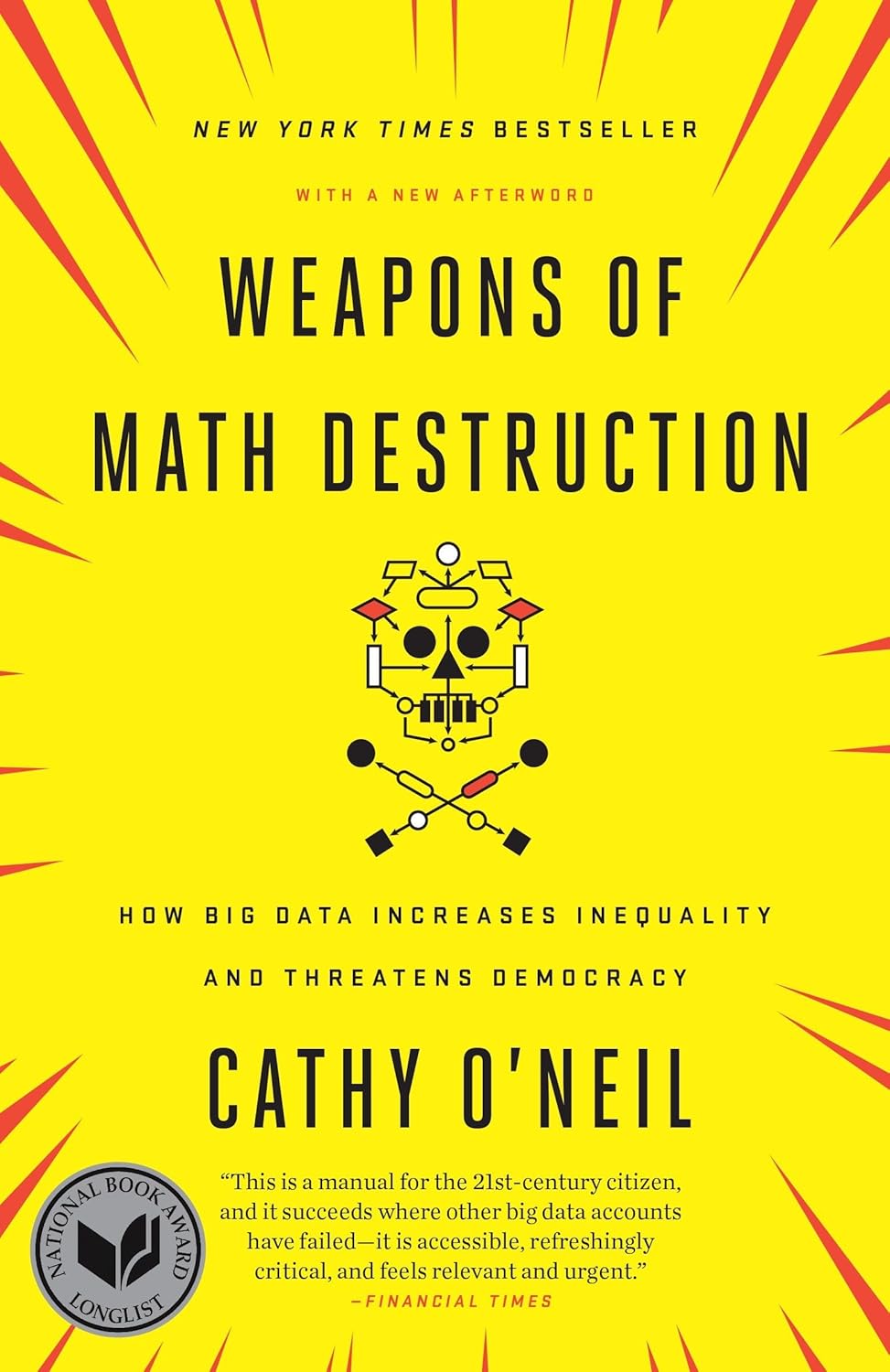
How opaque algorithms decide who gets credit, a job or parole — and why they tend to punish the same people.
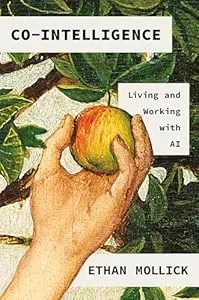
The best starting book if you're not technical: a Wharton professor explains how to work WITH AI — when to delegate, when to supervise, when to keep i
As an Amazon Associate, Zendoric earns from qualifying purchases; the price does not change for you. · all our recommended books →
🔗 Related on Zendoric
- Apple sues OpenAI over alleged theft of trade secrets for its AI hardware · 2026-07-14
- Apple sues OpenAI over theft of trade secrets, casting doubt on its hardware and its IPO · 2026-07-20
- Apple presents new "shocking" evidence against a former employee accused of stealing data for OpenAI · 2026-09-03