Circle's CEO imagines an economy where AI agents sign contracts and pay on their own with stablecoins

🕒 Published on Zendoric: July 14, 2026 · 00:03
Jeremy Allaire, co-founder of Circle, publishes an essay in which AI makes thinking and working cheaper, and blockchain makes transacting cheaper: agents with their own wallet would negotiate, sign and pay in stablecoins without going through a human department. It's a thesis, not a roadmap — and the person signing it also sells the money that would underpin it.
📚 Go deeper
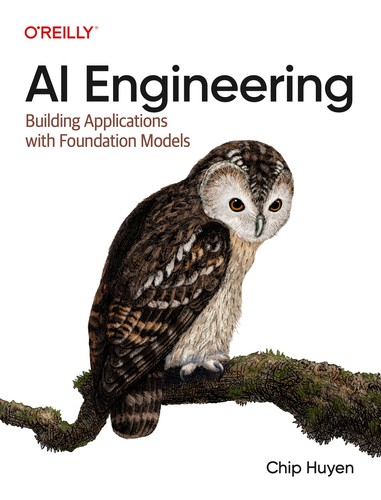
The reference manual for building products on top of AI models: prompts, RAG, fine-tuning, agents, evaluation and deployment.
As an Amazon Associate, Zendoric earns from qualifying purchases; the price does not change for you. · all our recommended books →
By CCN · July 13, 2026.
Jeremy Allaire, co-founder and CEO of Circle—the issuer of USDC—has published a personal treatise, "The Agentic Economy," that envisions a fusion of artificial intelligence and blockchain as the two operating systems of the next global economy. As reported by Yahoo Finance and reproduced by CCN, Allaire defines AI as the "operating system for intelligence" (it lowers the cost of thinking and working) and blockchain as the "operating system for the economy" (it lowers the cost of transacting, settling and coordinating). Combined, he argues, they would allow autonomous software agents—each with its own wallet and credentials—to execute tasks, close contracts and move value at machine speed, with minimal human intervention.
The mechanism he describes is concrete: an AI orchestrator would break a business objective into small tasks and distribute them among agents specialized in engineering, sales, legal, compliance or support, each reusable across projects and companies. That would open the door to a market of agents that would require verifiable identity, portable reputation and traceable accountability—hence blockchain's role as a cryptographic record of who did what—while full-reserve stablecoins, with one-to-one redemption and deterministic settlement, would serve as base money for machine-to-machine payments, leaving credit, yield and insurance as separate layers built on top. Allaire goes so far as to imagine agents acting as insurers or treasury managers, assessing borrowers and extending working capital via smart contracts.
Our reading: one must carefully separate the part of the thesis that is genuine trend observation from the part that is commercial interest dressed up as forecast. That AI makes cognition cheaper and blockchain makes coordination cheaper is, in fact, the textbook mechanism by which we believe technology can generate long-term abundance—fewer companies needing enormous structures to produce the same output is exactly the kind of leverage that frees people to devote themselves to what adds real value. But the person who signs this essay runs the company that issues one of the stablecoins that would directly benefit if that future comes to pass; it is not a fact that invalidates the argument, but it is one worth keeping in mind before treating it as a neutral diagnosis.
Moreover, the article itself is honest about something that is often lost in these announcements: there is no timeline, no real deployment, and the underlying problems—who is legally liable when an autonomous agent gets the pricing of a loan wrong, how credentials linking a wallet to a real person are audited, what regulatory framework accepts programmable machine-to-machine payments at scale—remain unresolved. It is exactly the pattern we watch for in the industry: the promise of "closing the gap" between demonstrated capability and aspirational vision. Here the demonstrated capability is limited; what exists today are agents that execute narrow tasks under supervision, not entire departments replaced by software with its own wallet.
That said, the problem Allaire points to—identity, reputation and accountability as bottlenecks for agent autonomy to scale beyond a single platform—is real and will grow in relevance as agentic AI is deployed on tasks involving money. If the industry solves that trust problem with serious traceability rather than with regulatory opacity, the fragmentation of the traditional enterprise into skills reusable by small teams may indeed be a step toward that more abundant economy we champion over the long term. If it does not solve it, the most likely short-term outcome is not the agentic economy but a new layer of automated fraud with no clear party to hold accountable.
📚 Go deeper
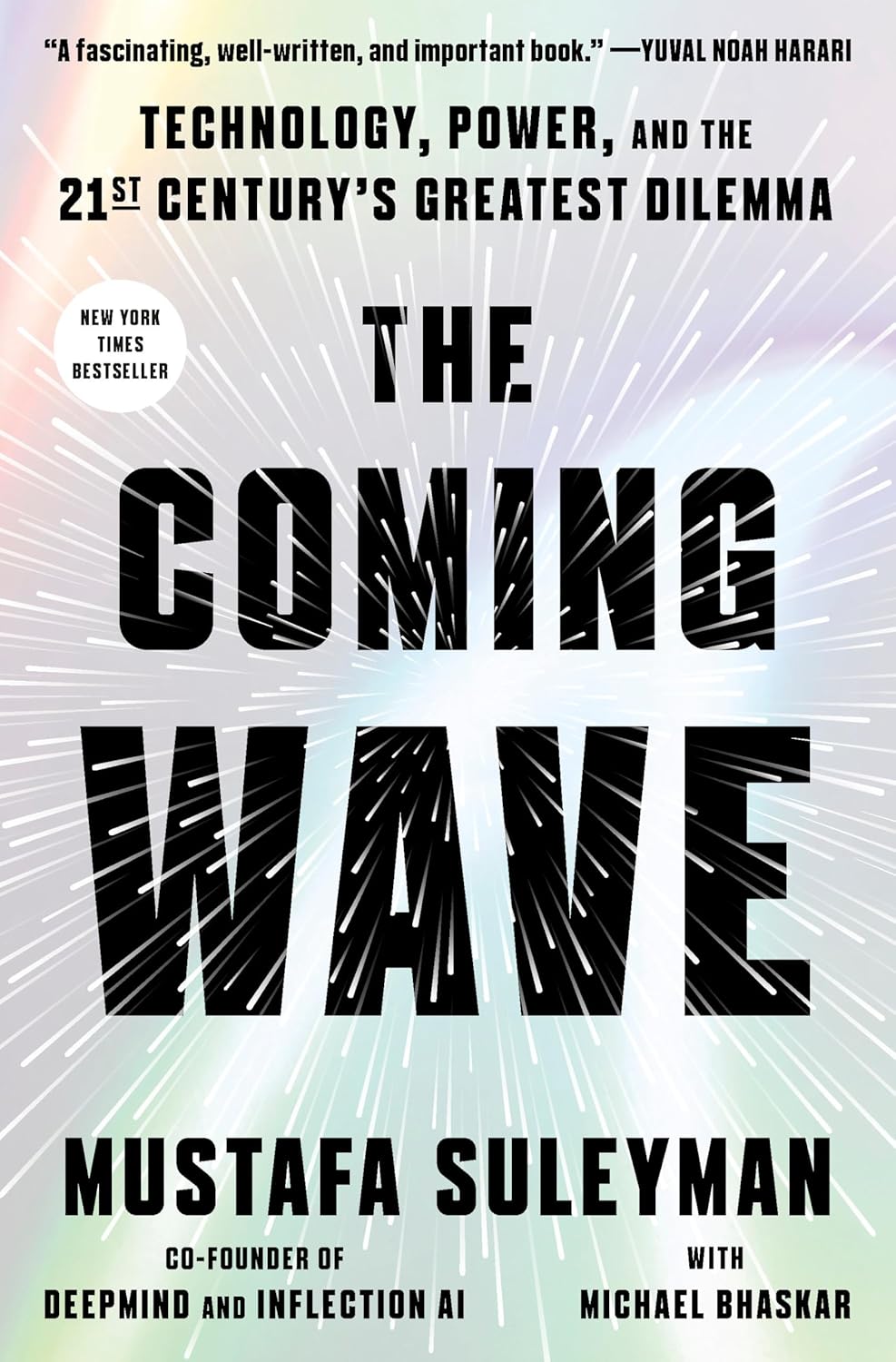
DeepMind co-founder on the dilemma of containing technologies that do not want to be contained.
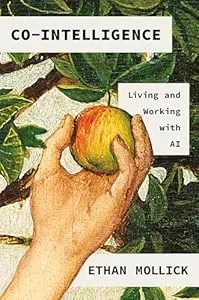
The best starting book if you're not technical: a Wharton professor explains how to work WITH AI — when to delegate, when to supervise, when to keep i
As an Amazon Associate, Zendoric earns from qualifying purchases; the price does not change for you. · all our recommended books →
🔗 Related on Zendoric
- The race for the 'plumbing' of the agent economy: BNB Chain bets on a blockchain without a mempool · 2026-07-09
- The UN wants an ID card for AI agents: the ITU turns trust into critical infrastructure · 2026-07-12
- Gunslinger: when agentic AI comes down from the lab to the cockpit of a turboprop · 2026-06-27