The Feud Is the Distraction: What Apple's Suit Against OpenAI Really Signals
🕒 Published on Zendoric: July 13, 2026 · 00:21
✨ AI-generated · how it's made
Apple's trade-secret lawsuit against OpenAI triggered a fresh round of insults between Sam Altman and Elon Musk on X. But the schoolyard theater obscures the more consequential story: talent, hardware, and know-how are the new front line of the AI race.
📚 Go deeper
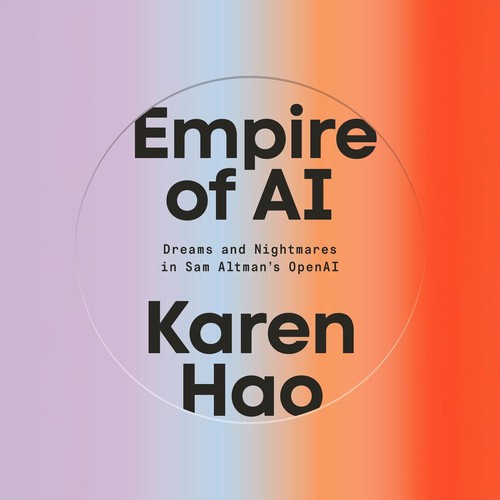
The definitive piece of investigative journalism on OpenAI: 260+ interviews, the clash between safety and speed, and the attempted firing of Sam Altma
As an Amazon Associate, Zendoric earns from qualifying purchases; the price does not change for you. · all our recommended books →
The facts are messy and, on the surface, tabloid-ready. Last week Apple sued OpenAI, alleging its Chief Hardware Officer Tang Tan emailed himself information about Apple's suppliers and asked interviewing Apple employees to bring parts with them, and that technical staffer Chang Liu downloaded confidential files and coached an Apple team member on copying them. OpenAI denies any interest in rivals' trade secrets, saying it remains "focused on building innovative technology." Soon after, the suit reignited the long-running Altman–Musk grudge on X: Musk branded him "Scam Altman," Altman needled Musk over "short-term space datacenters," and Musk fired back with a parole-officer jab. Altman even folded it into a product plug, claiming benchmarks suggest "5.6 sol is the best model in the world."
Context matters here. Musk co-founded OpenAI, then sued it and Altman in 2024, arguing it had abandoned its nonprofit roots and become a "de facto subsidiary" of Microsoft. A jury sided with OpenAI in May, finding Musk had waited too long. So this latest exchange isn't a new dispute so much as the latest flare-up of an old wound between two of the industry's most powerful figures — now playing out in public while a genuinely serious legal matter unfolds in the background.
Our reading: the personal theater is the least important part of this story, and treating it as the headline does readers a disservice. The Apple allegations — which remain allegations, unproven and contested — point at where competitive advantage in AI now actually lives. It is no longer only about who has the smartest model. It is about hardware supply chains, manufacturing know-how, and above all the specific engineers who carry that knowledge in their heads as they move between companies. OpenAI's push into devices puts it on a collision course with Apple's core competency, and disputes over who owns what an employee knows are the predictable friction of a field moving faster than its norms and case law.
There's a broader pattern worth naming. As the frontier consolidates among a handful of well-capitalized players, competition increasingly expresses itself as litigation, poaching wars, and reputational combat rather than pure engineering. That's a short-term cost of concentration: energy that could go into building gets spent on lawyering and posturing. It's also a reminder that the guardrails governing trade secrets and talent mobility — largely written for a slower industrial era — are being stress-tested in real time.
We'd urge skepticism in two directions. Don't take the courtroom accusations as established fact; the standard should be evidence, not the loudest post. And don't mistake a benchmark boast dropped mid-insult for a settled ranking — "best model in the world" claims are marketing until independent, hard evaluations confirm them. The signal beneath the noise is that the AI contest is broadening from software into the physical stack, where Apple has decades of advantage and the newcomers are hungry for it.
The optimistic long view survives all of this intact. The same race that produces ugly feuds and lawsuits is also compressing the timeline toward tools that could transform medicine, science, and daily work. Rivalry, even the petty kind, is a byproduct of a technology that everyone now understands is worth fighting over. The task for the rest of us is to keep our eyes on the substance — capabilities, safety, and who governs them — and let the billionaires trade barbs on their own time.
📚 Go deeper
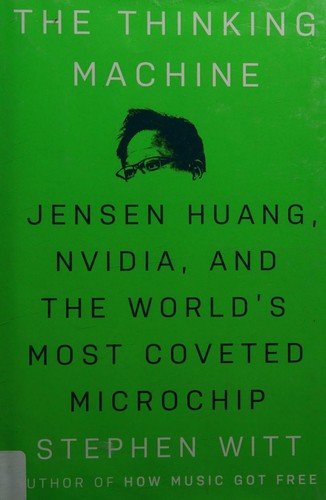
The story of NVIDIA and Jensen Huang: how a video-game card company ended up making the most coveted resource on the planet.
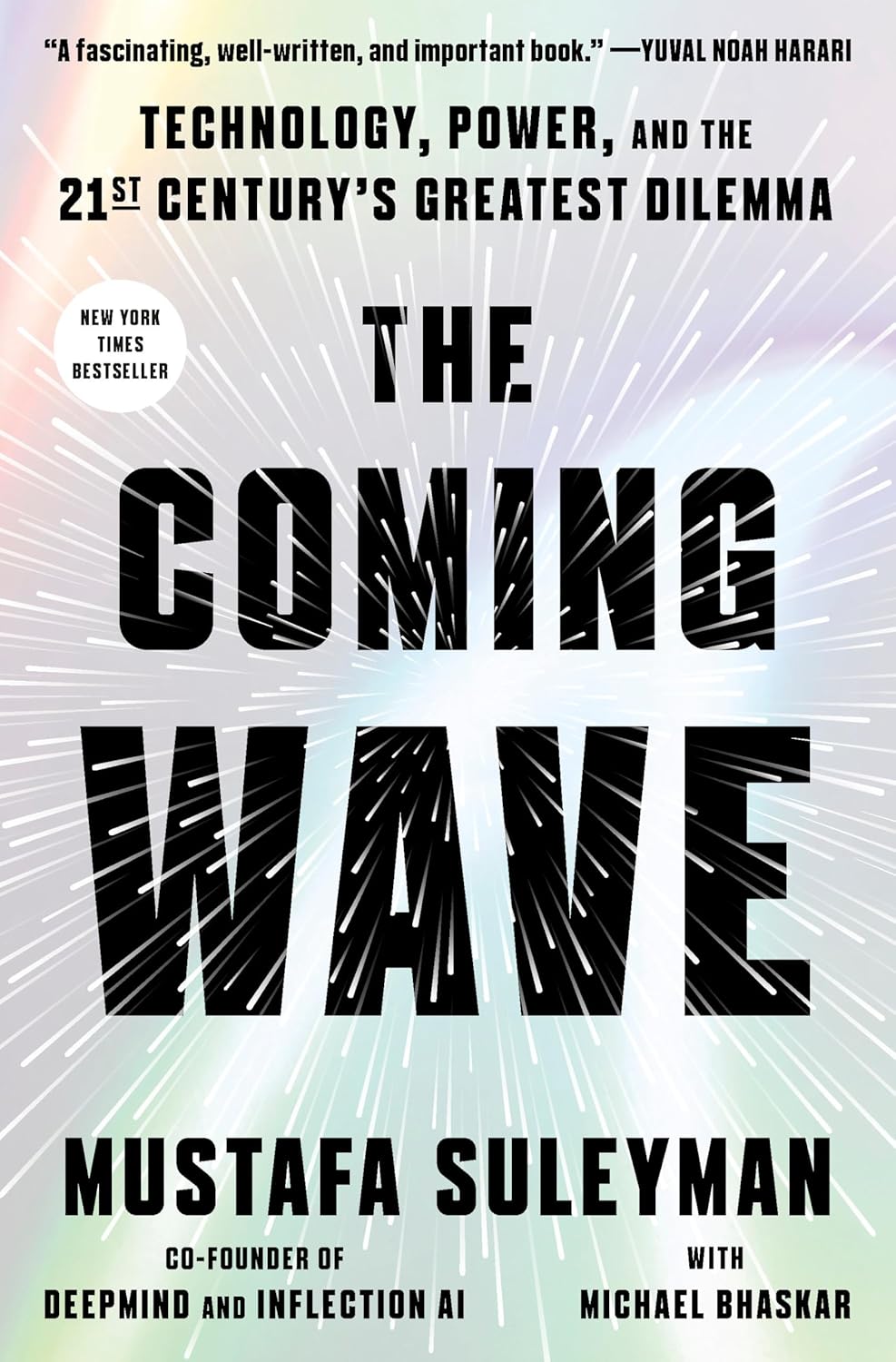
DeepMind co-founder on the dilemma of containing technologies that do not want to be contained.
As an Amazon Associate, Zendoric earns from qualifying purchases; the price does not change for you. · all our recommended books →
🔗 Related on Zendoric