When a Chatbot Picks a World Cup Winner, You're Watching a Magic Trick, Not a Forecast

🕒 Published on Zendoric: July 13, 2026 · 00:21
✨ AI-generated · how it's made
A newsroom asked ChatGPT to predict the 2026 World Cup, and it 'rebelled' against other AIs by backing Spain over France. It's a fun stunt — but it tells us far more about how language models talk than about how football actually unfolds.
📚 Go deeper
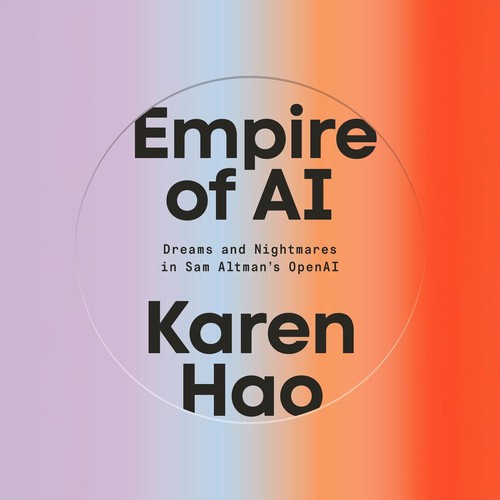
The definitive piece of investigative journalism on OpenAI: 260+ interviews, the clash between safety and speed, and the attempted firing of Sam Altma
As an Amazon Associate, Zendoric earns from qualifying purchases; the price does not change for you. · all our recommended books →
The facts are modest and worth stating plainly. A reporter held a conversation with ChatGPT ahead of the 2026 World Cup semifinals and the model produced a bracket: Spain versus Argentina in the final, with a headline probability split of Spain 40%, Argentina 30%, France 20%, England 10%, and even a scoreline — Spain 2-1. The framing is that this AI 'rebels' against rival systems that favor France, justifying its pick with talk of Spain's 'collective performance,' possession and squad depth. That's the whole story: one chat session, one set of numbers, dressed up as a duel between competing AIs to be crowned 'champion' in a week.
Here is our thesis: this is not prediction, it is prose. A large language model asked 'who will win?' does not run a probabilistic simulation of the tournament; it generates fluent, plausible-sounding text and, when pushed, attaches confident-looking percentages to it. Notice how the model happily revised Spain-France to '52%-48%' under the reporter's insistence — a genuine forecasting engine anchored in data does not nudge its estimate because you asked the question more firmly. That malleability is the tell. The numbers are rhetorical ornaments, not calibrated odds.
Context matters here, and it is a distinction we keep returning to: separate the AI that MEASURES from the AI that PREDICTS. Machine vision for semi-automated offside, sensor-equipped balls, player tracking — that technology already works and adds real value, because it observes what is physically happening. Forecasting the outcome of a low-scoring, high-variance, chaotic game like football is a different beast entirely. A single deflection, a red card, a penalty in the 92nd minute swings everything. The article itself half-admits this, noting Argentina needing extra time and late comebacks — precisely the kind of tail events no model reliably calls in advance.
Our reading: pieces like this are a small but instructive case of AI-washing. The 'IA predijo' label is used as a badge of authority to make an ordinary opinion feel authoritative and clickable, without any disclosed method, dataset or track record. There is no backtest, no Elo-based model, no accounting for injuries or matchups — just a conversation. Treating a chatbot's chat as a scientific forecast quietly erodes public understanding of what these systems actually do, and it sets up a cheap 'gotcha': if Spain wins, the AI looks prescient; if not, the story is forgotten.
None of this is a reason for cynicism about the technology — it's a reason for precision. The long-term promise of AI is enormous where it grounds itself in real signal: diagnosing disease, modeling proteins, optimizing energy grids, and yes, measuring the game on the pitch with a rigor humans can't match. The healthy move is to enjoy the World Cup prediction for what it is — a bit of entertainment — while refusing to confuse a well-phrased guess with knowledge. The moment we demand method, data and a verifiable track record from anything wearing the 'AI' label, both the technology and the public conversation around it get better.
📚 Go deeper
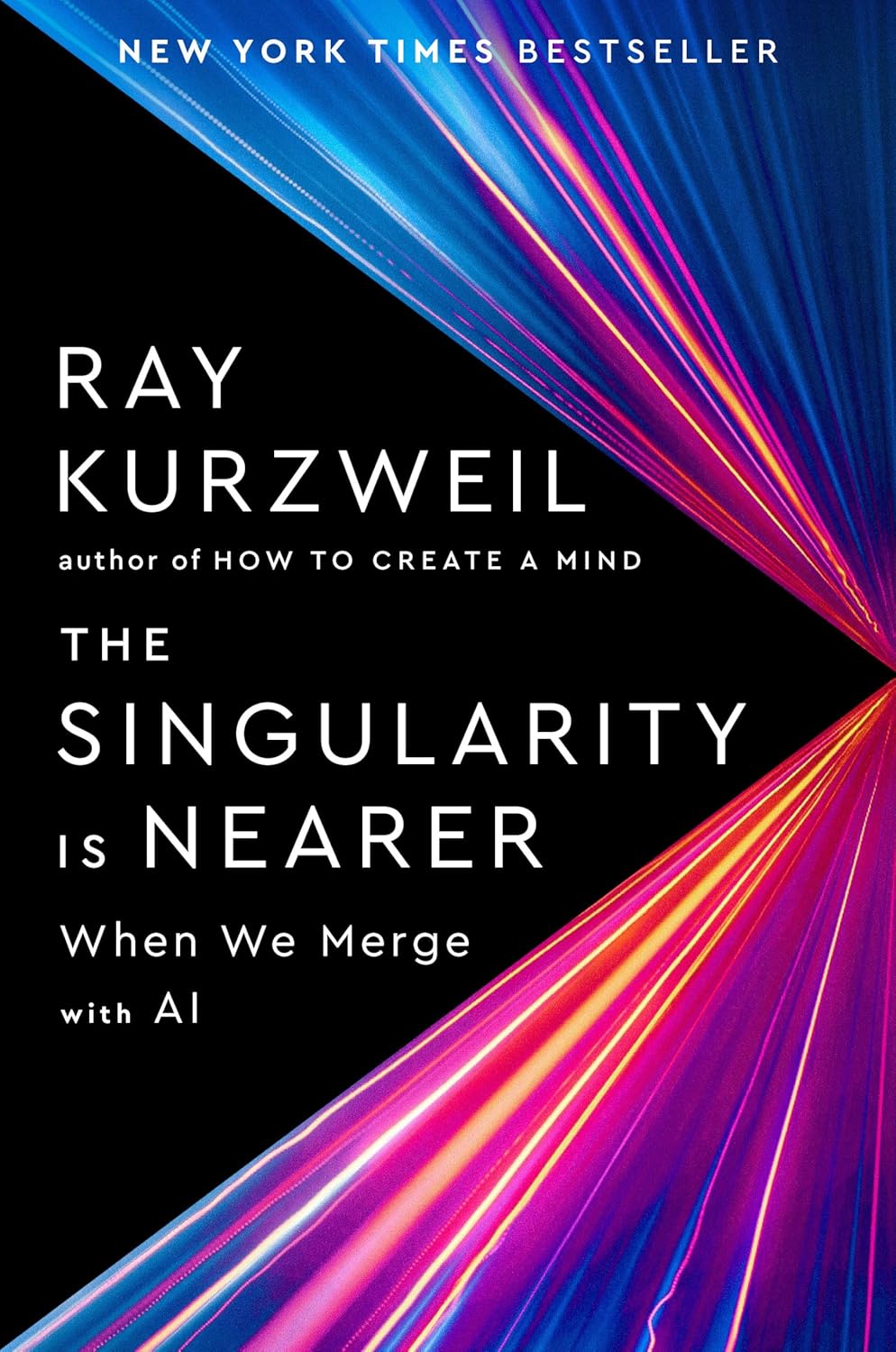
Twenty years after "The Singularity Is Near", Kurzweil revisits his predictions and keeps the date: human-AI merger around 2045.
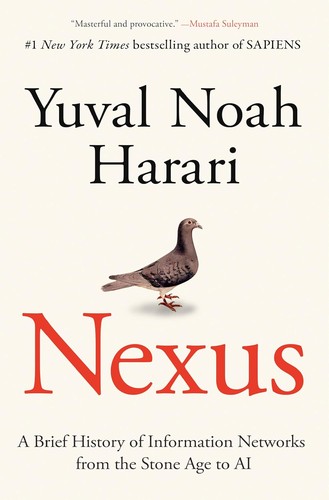
AI as the latest chapter in the history of information networks, from gossip to the printing press to the algorithm.
As an Amazon Associate, Zendoric earns from qualifying purchases; the price does not change for you. · all our recommended books →
🔗 Related on Zendoric