Your company's unwritten rules, and how to make them legible to an AI agent

🕒 Published on Zendoric: July 13, 2026 · 00:21
Nate starts from a central idea: every company operates with a set of unwritten rules that no one voted on or consciously decided to impose. They live in the recurring meeting no one questions, in the roadmap template everyone fills out, in the approval chain no one can explain, in the person everyone…
📚 Go deeper
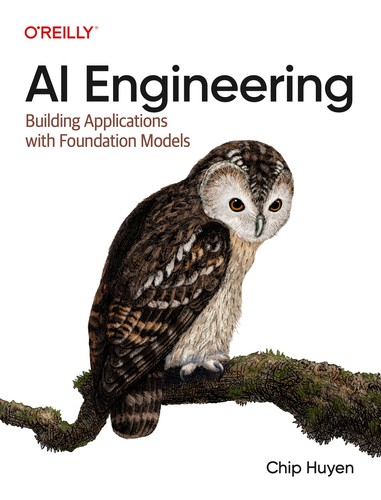
The reference manual for building products on top of AI models: prompts, RAG, fine-tuning, agents, evaluation and deployment.
As an Amazon Associate, Zendoric earns from qualifying purchases; the price does not change for you. · all our recommended books →
By Nate · July 12, 2026.
Nate starts from a central idea: every company operates with a set of unwritten rules that no one voted on or consciously decided to impose. They live in the recurring meeting no one questions, in the roadmap template everyone fills out, in the approval chain no one knows how to explain, in the person everyone consults before acting, and in the phrase "this is how we do it here." According to the author, most of those rules were never written down because scarcity imposed them on its own: engineering time was expensive, so a document rationed it; context moved slowly, so a meeting carried it; mistakes were costly and hard to detect, so an approval chain stood in the way. No one had to defend those rules; the conditions did it for them.
The article's central argument is that AI is dissolving much of that scarcity, but it has not dissolved the human judgment that lay beneath the rules. This leaves whoever runs an organization with a set of rules written by conditions that no longer exist, without an obvious way to distinguish which ones are still useful from which ones work only out of inertia. Added to this is a second problem: the rules you decide to keep now have to be legible to something that is not a person. Agents act on written context, so a rule that only lives in the head of the most senior director does not, for the purposes of the company's infrastructure, exist.
Nate says that earlier this year he wrote fifteen "commandments" for his own organization, precisely to make those decisions explicit: short and deliberately severe rules about speed, product, engineering, meetings, documentation, teamwork, design and customer experience, with a style that mixes joke and constraint ("thou shalt not" is hard to mistake for a suggestion). He clarifies that he does not intend the reader to adopt his commandments as they are, because copying another company's constitution produces a document that is not enforced; instead, he offers the methodology so that each organization drafts its own.
The article's content, as the author himself describes it, includes: separating four objects that most companies confuse—a value, a rule, a runtime check and a human appeal—each with a different owner, since confusing them makes the culture document enforce nothing. He also shows how a prohibition can collapse if it is removed without replacing the function it served: for example, eliminating roadmaps only works because two other commandments absorb the coordination work the roadmap did; copying only the prohibition amounts to erasing what coordinated the company.
The article goes over the original fifteen commandments, plus two categories of work that, according to Nate, AI leaves behind as residue: the work no one can review quickly enough and the work no one remembers to delete. He also proposes a five-question questionnaire to apply to the rule that generates the most resentment in any organization: name the behavior, identify the scarcity that gave rise to it, decide whether that scarcity still exists, and write a criterion a person can use to determine whether the rule was broken.
Another element he describes is a five-rung "enforcement ladder" that runs from the value, through the instruction, the reminder and the automatic hard block, to the decision that remains in human hands, along with the evidence each rung requires and the reason there is no sixth rung. Nate also describes a concrete example of a commandment turned into software: a calendar check, a Slack challenge, a deadline and a human appeal, built so that the machine asks the question but the person retains the final judgment.
The email encourages the reader to take a single rule—the one that draws sighs at the company all-hands—and, following the method, rewrite it, decide what will enforce it and who has the authority to override it. It mentions that the companion guide applies the whole method to a rule of the reader's own, by hand or with an agent pointed at the company's calendar, documentation and repository, and it presents the "Meeting Challenger" as the tool the author himself already built for this purpose.
Finally, the email includes a promotional mention: members of "Executive Circle" receive, in addition to these Sunday newsletters, access to the author's MCP server, with a link to change plans.
📚 Go deeper
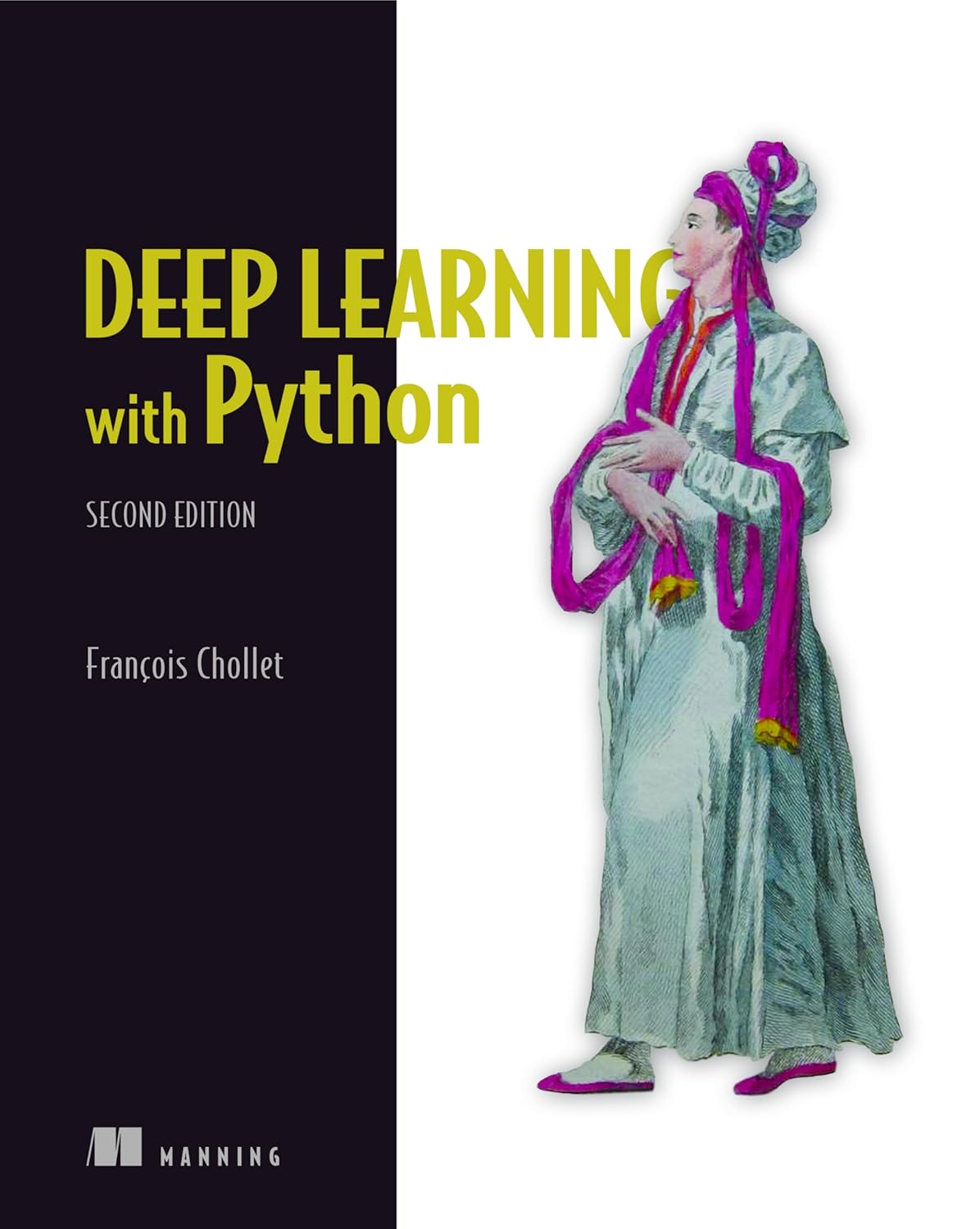
The creator of Keras teaching from scratch, with working code and zero pedantry.
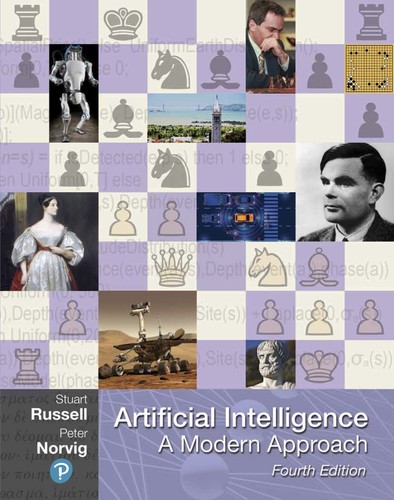
THE AI textbook: used by 1,500+ universities.
As an Amazon Associate, Zendoric earns from qualifying purchases; the price does not change for you. · all our recommended books →
🔗 Related on Zendoric
- SoftBank bets its future on superintelligence: Son turns record profits into ammunition to dominate the AI era · 2026-06-25
- GPT 5.6 rolls out in a trickle: when the State stands, de facto, between the model and the market · 2026-06-27
- The human body as a dataset: who really teaches robots to fold laundry · 2026-06-27