From autocomplete to specification: agentic AI reaches WordPress plugins (and their promotional side)

🕒 Published on Zendoric: July 13, 2026 · 00:21
An article in The AI Journal describes how AI agents no longer just autocomplete code: they plan, structure and secure entire WordPress plugins, from the prompt to the installable zip. The case confirms a thesis we've been following —specification as an anchor against 'vibe coding'— though it's worth reading with the filter that it is, in large part, promotional content for a specific product.
📚 Go deeper
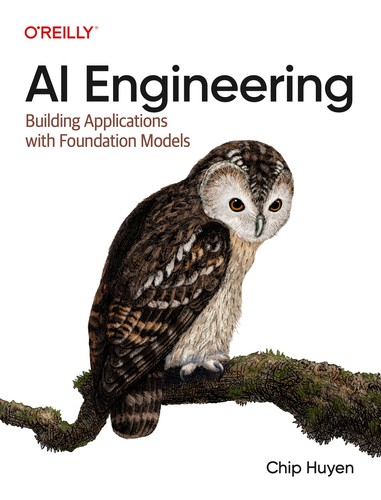
The reference manual for building products on top of AI models: prompts, RAG, fine-tuning, agents, evaluation and deployment.
As an Amazon Associate, Zendoric earns from qualifying purchases; the price does not change for you. · all our recommended books →
By The AI Journal · July 12, 2026.
The article starts from a real and useful distinction: generative AI is not the same as agentic AI. The former predicts the next token; the latter operates in cycles —it analyzes the intent, designs a file architecture, generates code and self-corrects— before delivering a result. Applied to WordPress, an environment with very rigid conventions (hooks, activation/deactivation lifecycle, template hierarchy, its own security APIs), the piece argues that generalist models systematically fail: they mix in obsolete functions, forget to enqueue scripts or, more seriously, leave security holes by not sanitizing inputs or verifying nonces. Against that, it describes specialized agents that incorporate those conventions as 'grounding' from the design stage, so that sanitization (`sanitize_text_field`, `absint`), output escaping (`esc_html`, `esc_attr`) and nonce verification (`wp_verify_nonce`, `check_admin_referer`) no longer depend on the developer remembering and instead become a non-negotiable part of how the code is generated.
Something the text itself does not highlight must be said clearly: much of the article works as promotional content for a specific tool (WPCoder AI), presented as an example of that 'agentic AI for WordPress'. The figure that closes the piece —cutting development time by up to 90%— is a claim by the provider itself, with no independent benchmark or visible methodology. Our long-standing rule applies here: measure before believing the marketing. That the described mechanism (agents that plan, write and validate security within a bounded domain) is technically plausible does not turn the figure into a verified fact; it is a commercial promise that any agency should test against its own cases before reorganizing processes around it.
That said, the underlying pattern is indeed relevant and fits with something we have been observing in AI-assisted software development: 'vibe coding' —prompt, code, patch, repeat— becomes fragile as soon as the project grows beyond a single file, and the maturity fix involves anchoring generation to an explicit specification. The 'three-step framework' the article proposes (define scope and permissions, map functional requirements separating front-end from back-end, specify where the data lives) is, in practice, a mini-specification before generating code, not very different in spirit from what approaches like Spec Kit or Kiro do in other domains. WordPress, with its ecosystem of heavily documented conventions and its huge base of agencies producing custom plugins in series, is an especially fertile ground to test this idea: the more opinionated and repetitive the domain, the easier it is to turn those conventions into a 'grounding' layer that reduces the model's margin of error.
The economic impact the article describes is consistent with what we have already seen in other sectors: the developer does not disappear, what they are paid to do changes. If a custom plugin that today requires three to five days from a mid-level developer is reduced to an iterative session of minutes plus a couple of minutes of code review, the business model of agencies that bill by the hour for scaffolding is compressed. Those who convert those hours into architecture, security review and high-value product work survive; those who kept selling repetitive typing time lose ground. It is exactly the pattern we documented for the tech sector in general: AI integration and governance win, the routine loses.
In the short term, this is an uncomfortable transition for the 'junior programmer who writes boilerplate' profile, which is precisely the work these agents automate first. There is no point disguising it. But the underlying reading connects with our abundance thesis: if building custom software —secure, maintainable, cheap— no longer requires weeks of specialized work, the cost of having your own digital presence drops for small businesses and creators who today cannot afford it, and developers are freed to devote their time to the part that truly differentiates a product: user experience and business logic, not the umpteenth call to `add_action`. The mechanism described in this article, stripped of its advertising wrapper, is a small but concrete example of where that transition is headed: less friction to create, more human judgment to decide what is worth creating.
📚 Go deeper
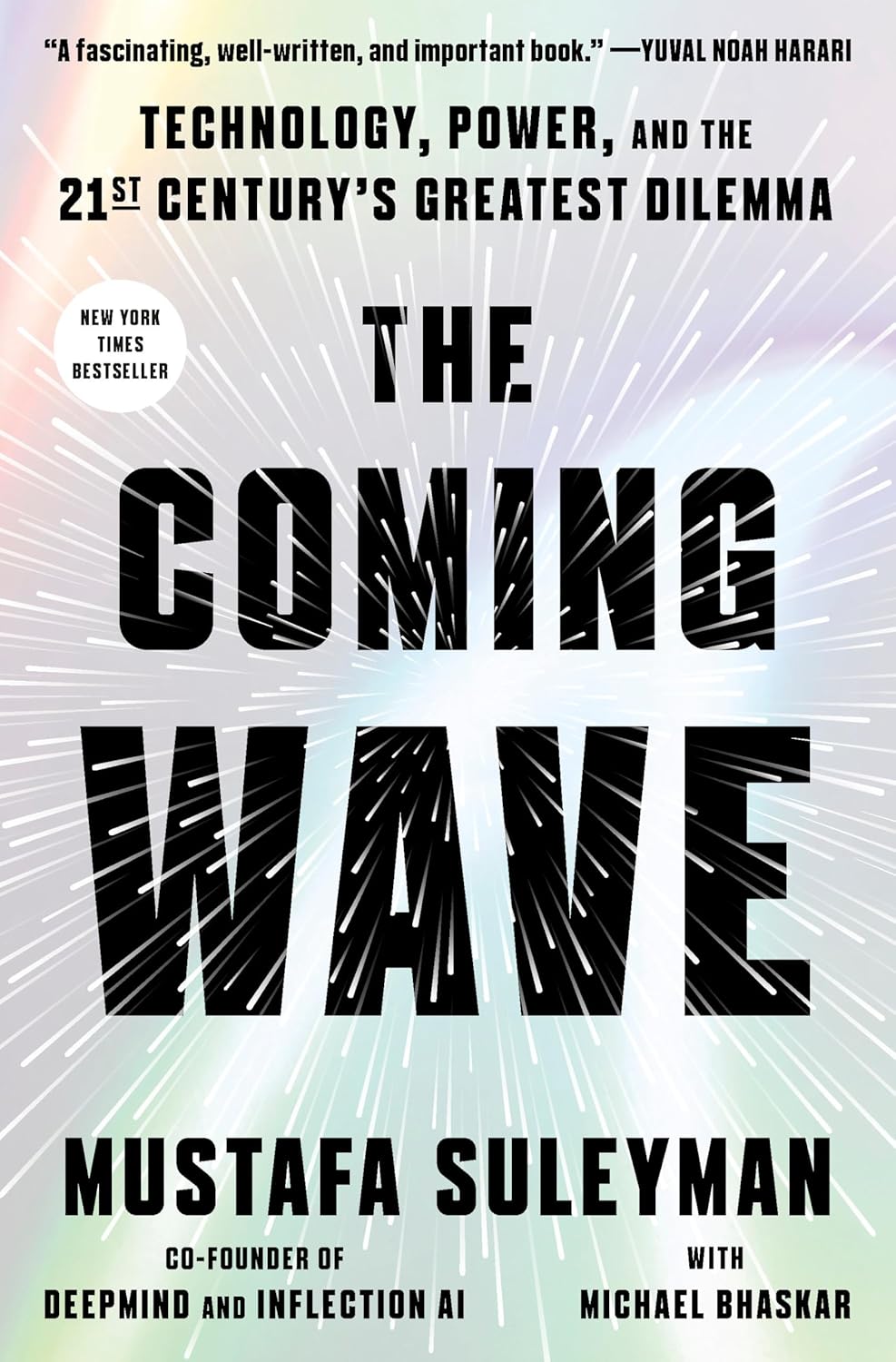
DeepMind co-founder on the dilemma of containing technologies that do not want to be contained.
The best starting book if you're not technical: a Wharton professor explains how to work WITH AI — when to delegate, when to supervise, when to keep i
As an Amazon Associate, Zendoric earns from qualifying purchases; the price does not change for you. · all our recommended books →
🔗 Related on Zendoric
- From prompt to 'loop': why agentic AI is a governance problem, not just an engineering one · 2026-07-08
- African banking now outperforms the global sector: why McKinsey's $100 billion is a signal, not an anecdote · 2026-06-28
- A Chinese AI model has matched Anthropic in detecting security vulnerabilities · 2026-06-30