Teaching AI by law: Mexico wants algorithmic ethics in the classroom before the chaos

🕒 Published on Zendoric: July 13, 2026 · 00:21
A PT deputy proposes that the General Education Law require teaching artificial intelligence and its ethical use starting from the New Mexican School. It's a belated reaction to a reality every classroom already lives: AI entered the classroom first and regulation arrives later.
📚 Go deeper
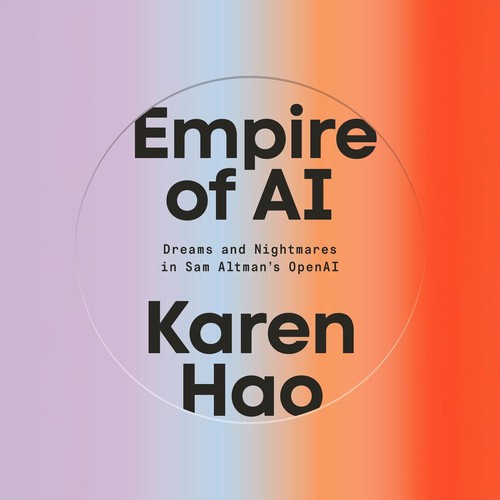
The definitive piece of investigative journalism on OpenAI: 260+ interviews, the clash between safety and speed, and the attempted firing of Sam Altma
As an Amazon Associate, Zendoric earns from qualifying purchases; the price does not change for you. · all our recommended books →
By Chamber of Deputies · July 12, 2026.
Deputy Pedro Vázquez González, of the Labor Party, introduced a bill to reform Article 30 of the General Education Law in order to explicitly incorporate, into the plans and study programs of the New Mexican School, the promotion of artificial intelligence and its ethical application. The proposal — referred to the Education Committee — does not merely mention the technology: it requires that its teaching include protection of personal data, transparency and the explainability of systems, that is, teaching not only how to use AI but how to understand why it makes the decisions it makes. The statement of purpose is clear in its diagnosis: the Mexican education system today lacks specific provisions on the use of these tools, which has produced a heterogeneous and discretionary implementation, without common pedagogical or ethical criteria among schools, teachers or entities.
That phrase — heterogeneous and discretionary implementation — is, in reality, the honest summary of what happens in nearly any education system in the world with generative AI: the technology has already been in students' backpacks and homework for some time, while the rules are only now arriving to give it a name. It is not an exclusively Mexican failing nor a fault of this legislature in particular; it is the usual pattern when a general-purpose technology spreads faster than institutions' capacity to govern it. The bill acknowledges, without putting it that way, that the absence of rules has not meant the absence of use, but rather use without rules.
Our read is that the value of this reform lies not in the symbolic gesture of "putting AI into the law," which on its own changes nothing in a classroom, but in whether it manages to fund and train what it requires: real teacher training, evaluation criteria that neither blindly penalize nor reward the use of these tools, and guarantees of data protection for minors that today barely exist on education platforms used de facto. As we have noted in analyzing AI's impact by sector, in education the profile that wins from this transition is not the teacher replaced by a chatbot, but the one who learns to orchestrate AI as an augmented tutor to personalize learning; the loser is the teaching model based solely on the one-way transmission of content, which AI already matches or surpasses in efficiency. A law that only mandates "teaching AI" without touching the training of that second teacher profile will remain a statement in the bill's preamble.
In the short term, the risk the bill itself points to is real: without a clear regulatory framework, the gap is not only about access to devices, but about quality of use — those with better institutional guidance will learn to think with AI, and those without it will learn to delegate to it without criteria. That widens, rather than reduces, educational inequality if it is not accompanied by investment in teacher training and rules for protecting the data of minor students, a particularly sensitive point that the text mentions but that will require detailed technical regulation so as not to remain a dead letter.
In the long term, however, this kind of reform points in the right direction of the thesis we defend: a generation that grows up understanding how artificial intelligence works, where it fails and what ethical limits it should have will be better prepared to benefit from the abundance of knowledge and tools this technology promises, rather than suffering it as a black box imposed from outside. Critical AI literacy — not just technical handling, but the ability to question its outputs — is, along with health, one of the areas where public investment in education can determine who participates in that abundance and who is left on the margins. Initiatives like this one, if they translate into budget, teacher training and concrete data-protection regulations, matter less for what they say in the Official Gazette than for whether they manage to close, rather than widen, the distance between the classroom that already uses AI without a compass and the one beginning to use it with criteria.
📚 Go deeper
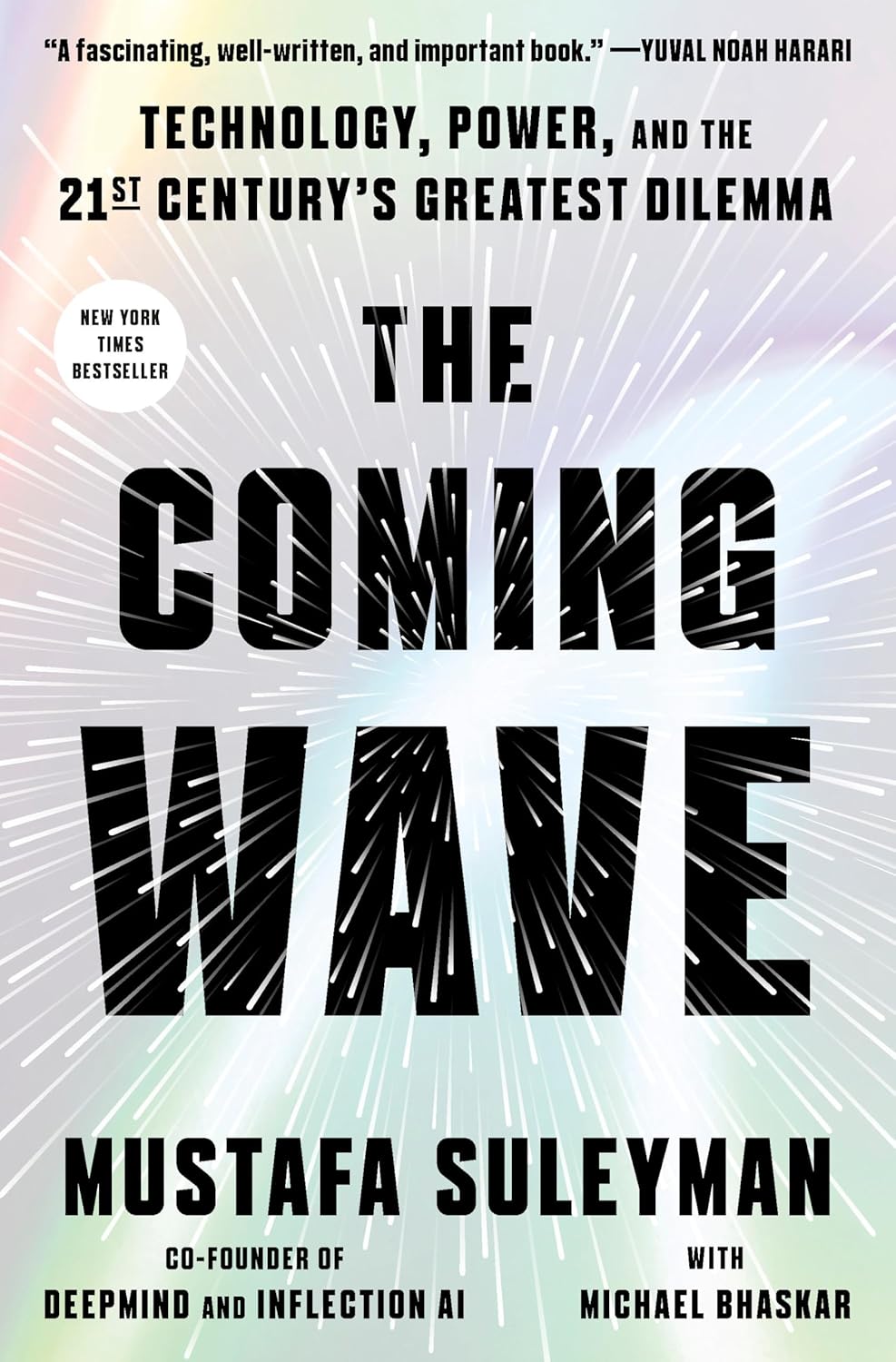
DeepMind co-founder on the dilemma of containing technologies that do not want to be contained.
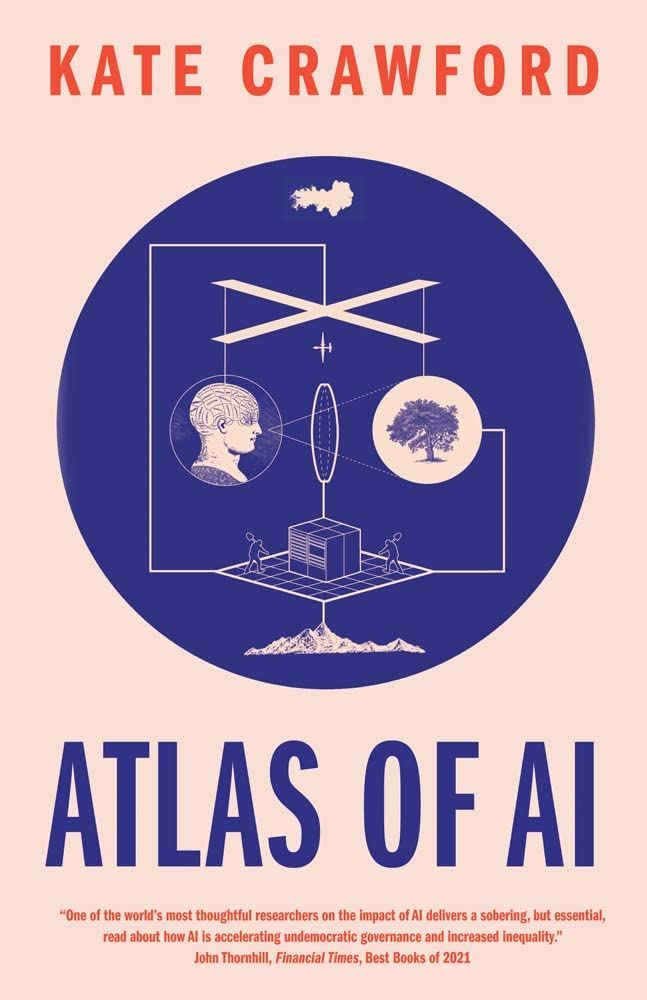
AI as an extractive industry: the lithium, the energy, the underpaid data-labeling work and the bodies behind the cloud.
As an Amazon Associate, Zendoric earns from qualifying purchases; the price does not change for you. · all our recommended books →
🔗 Related on Zendoric
- IPN students train AI with thousands of images to anticipate wildfires in Mexico · 2026-06-29
- Durango bets on the teacher who masters AI, not the one who fears it · 2026-07-06
- Rock Hill puts its house in order before the school year: why revising AI policy is now a matter of school governance · 2026-06-24