Rajnath Singh: AI will change war, but the soldier's will still decides who wins

🕒 Published on Zendoric: July 12, 2026 · 00:14
✨ AI-generated · how it's made
India's Defense Minister has argued that artificial intelligence will transform the battlefield, but that human determination remains the decisive factor in any conflict. A timely reminder amid a full-blown algorithmic arms race.
📚 Go deeper
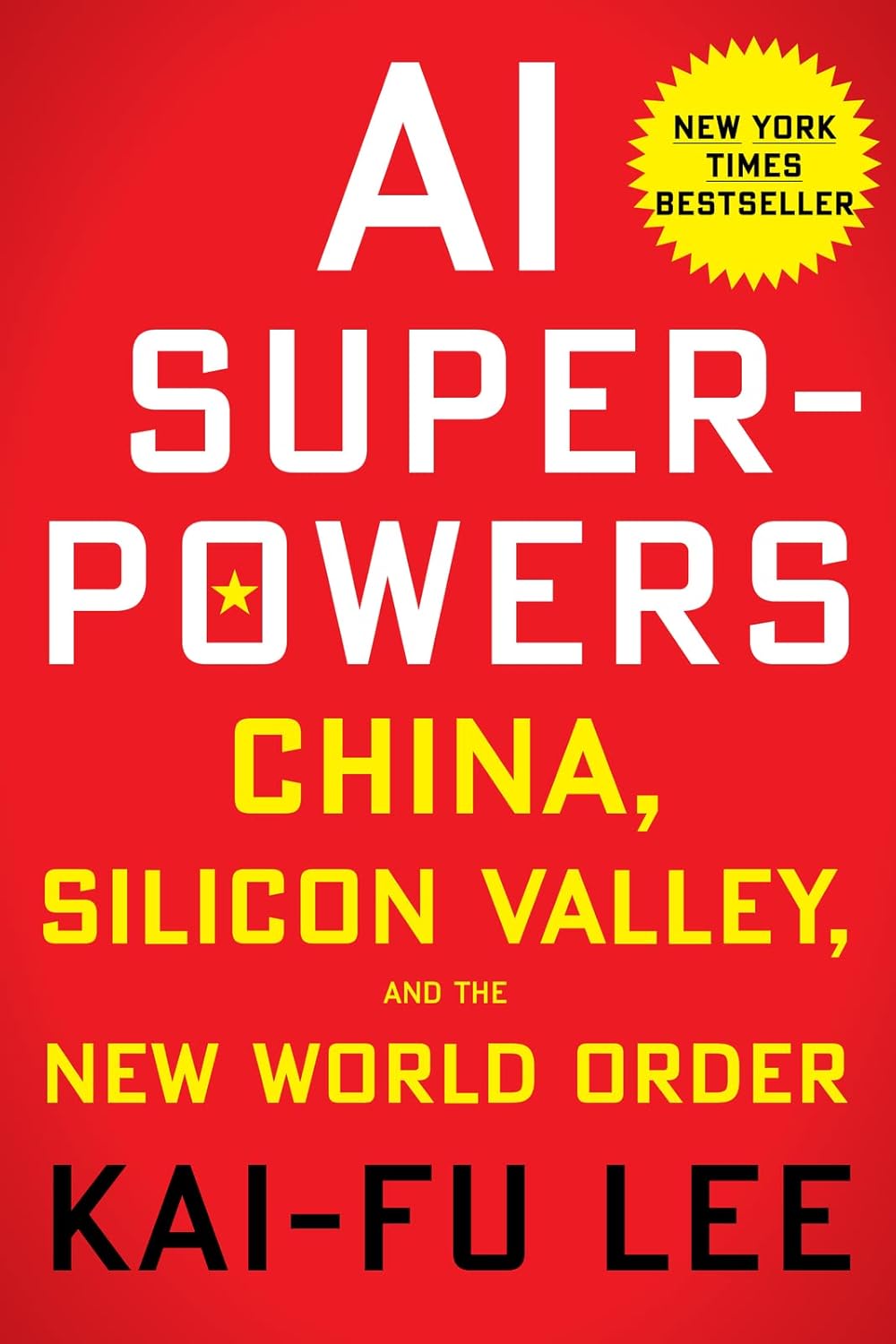
China vs.
As an Amazon Associate, Zendoric earns from qualifying purchases; the price does not change for you. · all our recommended books →
By The Morning Voice · July 11, 2026.
India's Defense Minister, Rajnath Singh, has stated that artificial intelligence "can transform warfare," but that it is soldiers and their resolve who ultimately decide the outcome of conflicts. The statement, also reported by WION in an analysis of how AI is reshaping modern warfare and what lessons India has drawn from recent conflicts, falls within the global debate on the role of autonomous military technology.
The material available on this intervention is sparse —an institutional statement with no operational details, investment figures, or specific programs cited—, so it is best not to over-interpret it. What matters is not so much the technical content as the political message: at a moment when powers such as the United States and China openly compete for supremacy in military AI (autonomous drones, algorithm-assisted command systems, electronic warfare enhanced by machine learning), an actor with great-power ambitions like India chooses to temper technological enthusiasm with an explicit defense of the human factor.
This stance is neither naive nor at odds with the reality of the sector: dual-use AI has already proven decisive in logistics, surveillance, intelligence processing, and systems coordination, as we have analyzed before when discussing how China is trying to close the military gap with the United States. But Singh's warning points to something that defense literature has been flagging for years: algorithmic advantage does not replace combat morale, command discipline, or the human capacity to adapt under extreme pressure —elements that no model, however sophisticated, yet reproduces reliably in the chaos of a real conflict.
Our reading is that statements like this one —coming from a defense minister and not a tech lab— serve a double function: publicly acknowledging that the race for military AI is real and unavoidable, while at the same time preventing the rhetoric about "autonomous wars" from breeding strategic complacency or, worse, premature doctrinal decisions based on capabilities not yet proven in sustained combat. It is the same pattern we see in the civilian sector: distinguishing between what AI promises and what it has actually proven it can do. In defense, that margin of error is paid for in lives, so well-understood institutional skepticism —adopting the tool without giving up human judgment— is, paradoxically, the most reasonable stance in the short term, while the technology matures toward more governed and predictable use.
📚 Go deeper
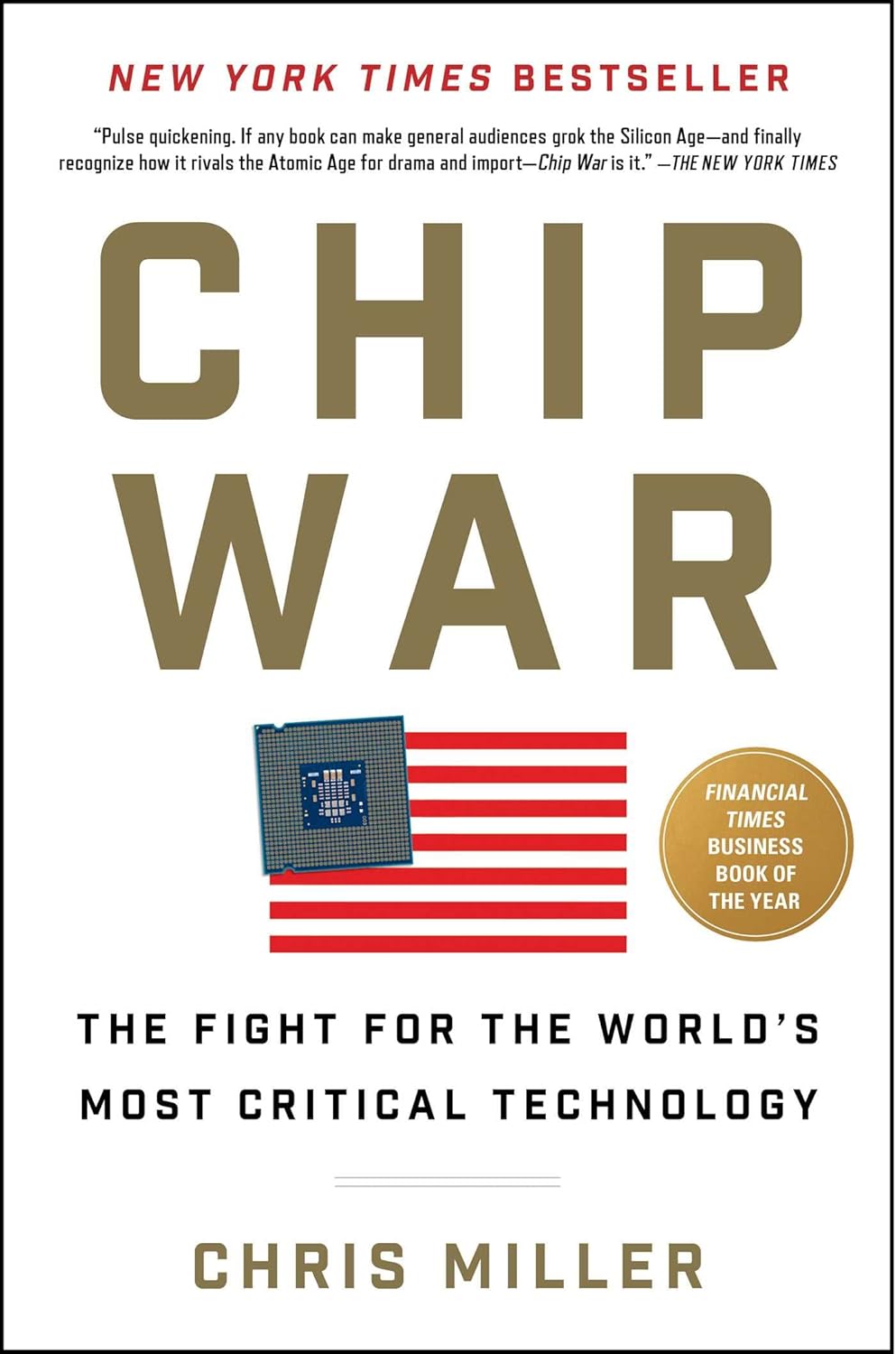
Semiconductors as the oil of the 21st century: history, espionage, and why an island of 23 million people underpins the entire AI economy.
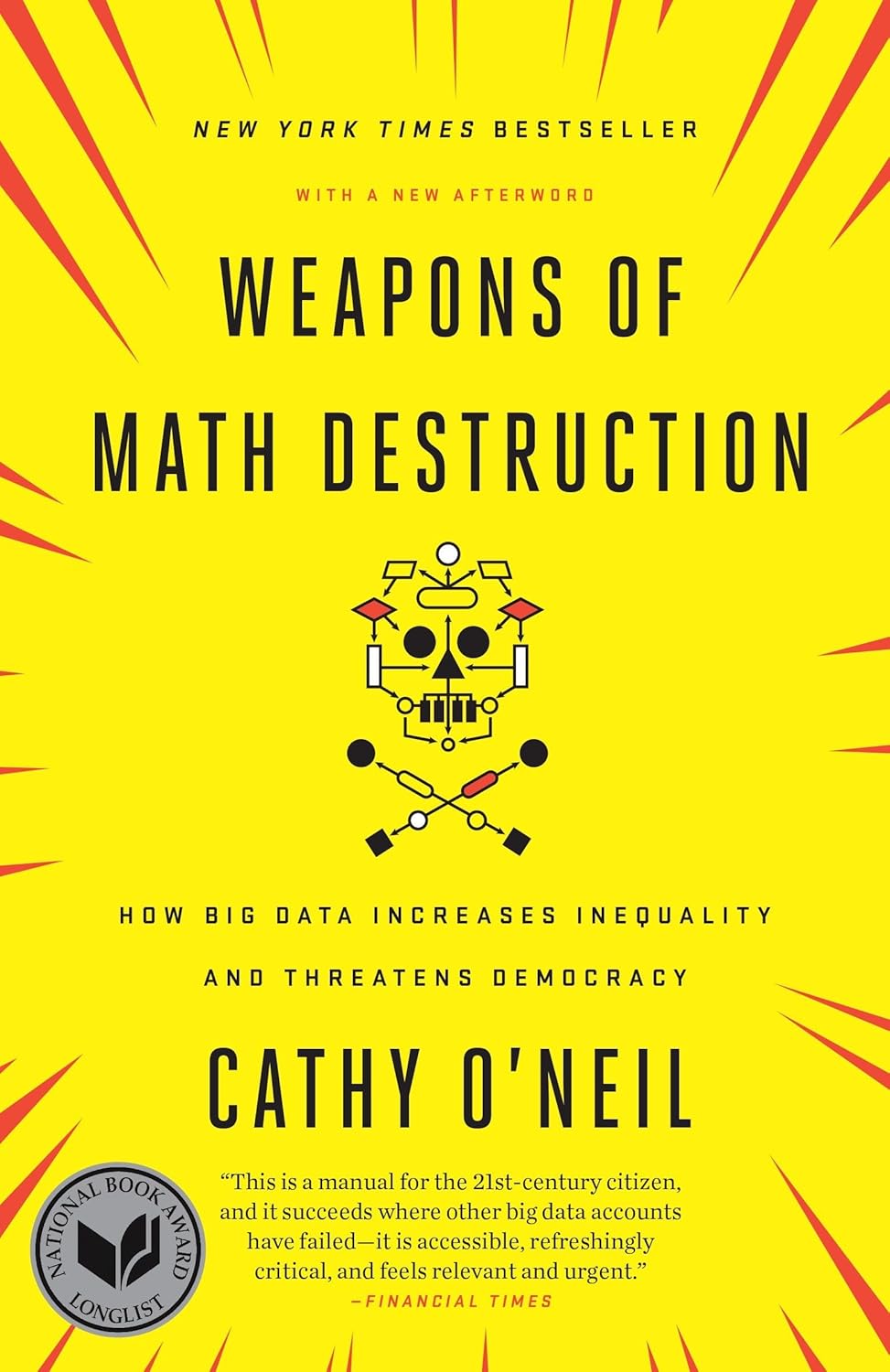
How opaque algorithms decide who gets credit, a job or parole — and why they tend to punish the same people.
As an Amazon Associate, Zendoric earns from qualifying purchases; the price does not change for you. · all our recommended books →
🔗 Related on Zendoric