Meta launches Muse Spark 1.1 and opens its new Meta Model API in public preview
🕒 Published on Zendoric: July 11, 2026 · 00:27
Meta Superintelligence Labs has unveiled Muse Spark 1.1, a significant update to its Muse Spark model, described as a multimodal reasoning model geared toward agentic tasks.
📚 Go deeper
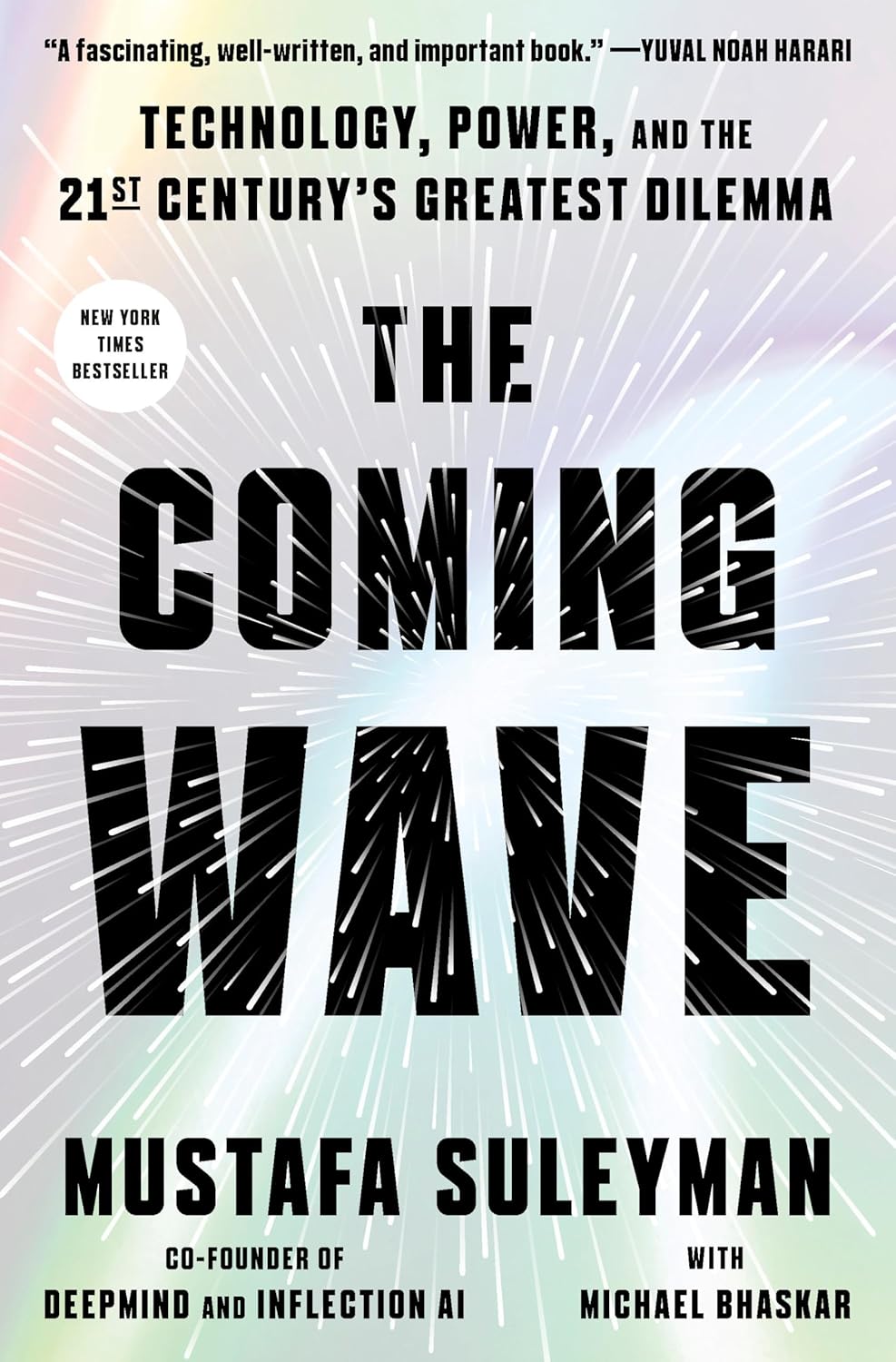
DeepMind co-founder on the dilemma of containing technologies that do not want to be contained.
As an Amazon Associate, Zendoric earns from qualifying purchases; the price does not change for you. · all our recommended books →
We'll send you a confirmation email (double opt-in). Privacy.
Meta Superintelligence Labs has unveiled Muse Spark 1.1, a significant update to its Muse Spark model, described as a multimodal reasoning model geared toward agentic tasks. According to the announcement, the new version brings notable improvements in tool use, computer use, coding and multimodal understanding, and aims to advance what the company calls the 'efficiency-performance frontier.' The release coincides with the debut, that same week, of Muse Image, and both fit into Meta's vision of a 'personal superintelligence': models that help pursue goals, create, deepen relationships and act on what the user values.
Alongside Muse Spark 1.1, Meta is releasing the new Meta Model API in public preview, through which developers can access the model for the first time. In addition, Muse Spark 1.1 is now available in 'Thinking' mode within the Meta AI app and at meta.ai.
On the agentic side, Meta states that the model generalizes zero-shot to new native tools, MCP servers and custom skills, and that it resolves complex projects faster than its predecessor because it has been trained to orchestrate multi-agent systems while optimizing end-to-end latency. As a lead agent it can gather context, draw up a plan and delegate execution to parallel subagents; as a subagent, it sticks to its task, understands the available tools and knows when to escalate back to the lead agent. It also highlights active management of a 1-million-token context window, with the ability to recall actions, retrieve information from prior work and compact context while preserving critical steps.
As for computer use, Meta notes that the model maintains context across extended sessions, adapts to changing requirements and navigates unfamiliar interfaces with minimal human intervention. It was trained to decide when to write automation scripts and when to interact directly by clicking, generating batches of actions at each step. As an example, the article mentions a demo of agentic dinner-party planning, in which the model detects context changes on the fly (when placing an order) and updates the plan without user intervention.
On coding, Meta indicates substantial improvements on real-world tasks over large, complex codebases: diagnosing and fixing complex bugs, implementing new features in enterprise-grade systems and carrying out large-scale code migrations. The model is said to be trained to adapt to various agentic 'harnesses' and to handle complex multi-turn dynamics, supporting common features such as planning mode, delegation to subagents and context compaction. It cites a debugging demo in OpenCode, where the model builds a chat app, takes automatic screenshots to detect visible failures, traces the problem back to the relevant code, implements the fix and validates the changes. On Meta's internal benchmark (Meta Internal Coding Bench), the company says Muse Spark 1.1 improves significantly over Muse Spark and is competitive with leading market alternatives; moreover, according to the article, internal researchers already use the model to automate development tasks and the evaluation of other models, including a demo where Muse Spark 1.1 evaluates itself on a subset of DeepSWE tasks and generates a results-analysis dashboard.
In the multimodal arena, Meta highlights strengths in perception, multimodal reasoning and tool use, with capabilities in visual-artifact-to-code generation, ultra-descriptive image and video captioning, and execution of multimodal agentic workflows. It mentions an example of an agent for Facebook Marketplace: from a video recorded with a smartphone, the model extracts useful photos, reasons about the product and operates the user's browser to create a Marketplace listing on their behalf.
On safety, Meta says it conducted thorough pre-deployment evaluations following its 'Advanced AI Scaling Framework,' which defines evaluations, threat models and deployment thresholds for its most advanced models. According to the company, in the frontier risk categories —chemical-biological, cybersecurity and loss of control— Muse Spark 1.1 operates within safe margins, with good resistance to direct jailbreaks and indirect attacks (untrusted data, prompt injection, developer-prompt attacks), as well as a lower hallucination rate and less sycophancy. The full safety posture is documented, according to the text, in a dedicated Muse Spark 1.1 evaluation report.
Regarding availability, the article includes testimonials from early partners. Amjad Masad, CEO of Replit, praises the combination of massive one-million-token context, full multimodal support (images, video, PDF), integrated search with citations, solid reasoning, top-tier coding capabilities (especially frontend and design), structured output and parallel tool calls, all in a package compatible with the OpenAI API. Saoud Rizwan, CEO of Cline, stresses that Meta is clearly building for serious agentic coding, with good tool use at a price that makes running real code workloads at scale viable. Yashodha Bhavnani, VP of AI Product at Box, notes that on Box's enterprise-work evaluation set, Muse Spark delivered capabilities competitive with today's frontier models, with strengths in structured and procedural workflows in sectors such as professional services, the public sector and industrial operations. Dave Morin, of the OpenClaw Foundation, describes it as a fast, powerful and fun model for running agents with OpenClaw.
The article closes by noting that Meta considers this release a testament to its research momentum and hints that it already has even more capable models in training, without providing further concrete details.
📚 Go deeper

AI as the latest chapter in the history of information networks, from gossip to the printing press to the algorithm.
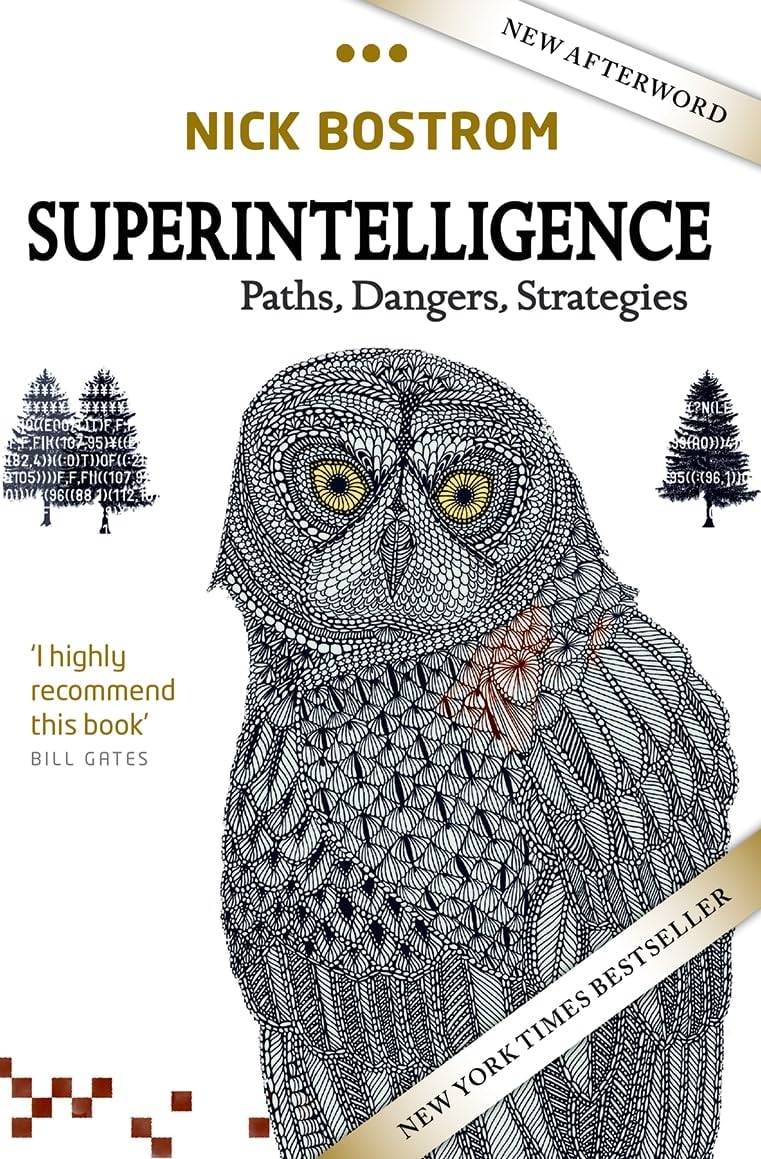
The book that started the existential-risk debate and that half the industry still cites.
As an Amazon Associate, Zendoric earns from qualifying purchases; the price does not change for you. · all our recommended books →
🔗 Related on Zendoric
- SpaceXAI's Grok 4.5 bets on efficiency: cheaper, faster and trained alongside Cursor · 2026-07-10
- Meta starts charging for its AI: it launches the paid Muse Spark 1.1 API to take on Anthropic and OpenAI · 2026-07-11
- Meta launches Muse Image, its first image-generation model from Meta Superintelligence Labs · 2026-07-09
Sources & references
- ai.meta.com — Meta launches Muse Spark 1.1 and opens its new Meta Model API in public preview
- qz.com — Meta starts charging for its AI: it launches the paid Muse Spark 1.1 API to take on Anthropic and OpenAI
Get the analysis by email · free
One email a day analysing the AI essentials. Free, no spam, unsubscribe anytime.
We'll send you a confirmation email (double opt-in). Privacy.