Meta starts charging for its AI: it launches the paid Muse Spark 1.1 API to take on Anthropic and OpenAI
🕒 Published on Zendoric: July 11, 2026 · 00:27
Meta has taken a significant step in its AI strategy: on Thursday it launched a public developer API for its Muse Spark 1.1 model, the first time the company charges businesses for access to one of its AI models.
📚 Go deeper
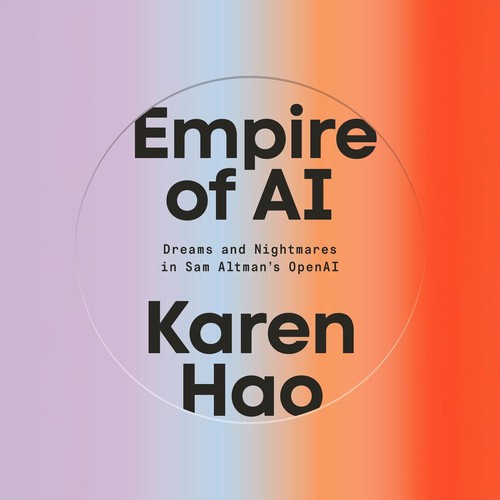
The definitive piece of investigative journalism on OpenAI: 260+ interviews, the clash between safety and speed, and the attempted firing of Sam Altma
As an Amazon Associate, Zendoric earns from qualifying purchases; the price does not change for you. · all our recommended books →
We'll send you a confirmation email (double opt-in). Privacy.
Meta has taken a significant step in its artificial intelligence strategy: on Thursday it launched a public developer API for its Muse Spark 1.1 model, the first time the company has charged businesses for access to one of its AI models. Until now, Meta had relied on free access or access restricted to select partners; with this move it enters directly into the AI development tools market currently dominated by Anthropic and OpenAI.
The new API is priced at $1.25 per million input tokens and $4.25 per million output tokens, and new accounts receive $20 in free credits to get started. As reported by Bloomberg, Mark Zuckerberg himself characterized that rate as roughly 25% of what Anthropic and OpenAI charge for comparable models. Alexandr Wang, who leads Meta Superintelligence Labs, described the pricing in an interview with CNBC as "very aggressive and attractive," making clear that Meta's strategy involves competing on cost as well as on capabilities.
Access is offered through a developer portal that is currently in public preview. Some early partners have already been onboarded, while everyone else can request access via a waitlist. For now, Meta has indicated that it will not make the model available through external platforms such as OpenRouter, keeping distribution confined to its own properties—a notable difference from the more open availability of other major models on the market.
As for capabilities, the model is designed for agentic and coding work, that is, for use cases in which the AI completes a series of tasks autonomously on the user's behalf. It supports a one-million-token context window and is capable of running multiple subagents simultaneously, according to Meta. Zuckerberg described the model's agentic reasoning and tool use as "state of the art or very close to it." Wang added that strong coding ability is a prerequisite for the kind of autonomous, multi-step behavior that defines agentic AI, suggesting that the two capabilities are deeply intertwined.
Zuckerberg stated that the model outperformed Google's Gemini across a series of benchmarks related to agents, coding, and multimodal tasks, and asserted that Meta's own staff are already using the model to develop new features in its apps. Among the early-access partners mentioned are Replit, Cline, and Box.
This launch comes after Meta moved away in April from its Llama open-source model strategy with the debut of the original Muse Spark, a proprietary model available only to select partners through a private API preview. In that first launch, coding was identified as a relatively weak point. Wang indicated that an open-source version of the model is in development, though he gave no indication of when it might be released. In addition, it was revealed that a next-generation model is currently in training within Meta under the internal codename "Watermelon"; both Zuckerberg and Wang confirmed its existence but did not offer a release timeline. The 1.1 model unveiled on Thursday was itself developed under the codename "Avocado."
The API announcement comes just after Meta launched Muse Image on Tuesday, an image-generation model available to consumers and advertisers. Both launches are part of Meta's effort to demonstrate a tangible return on its AI investment, at a time when Zuckerberg faces pressure from Wall Street over the company's rising infrastructure spending.
Ultimately, with Muse Spark 1.1 Meta abandons its position as a free or restricted-access provider to become a direct commercial competitor to Anthropic and OpenAI in the coding and autonomous agents segment, betting on notably lower pricing as its main competitive lever, while for now maintaining tight control over the model's distribution channels.
📚 Go deeper
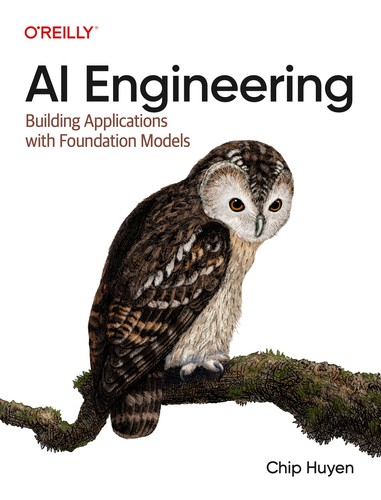
The reference manual for building products on top of AI models: prompts, RAG, fine-tuning, agents, evaluation and deployment.
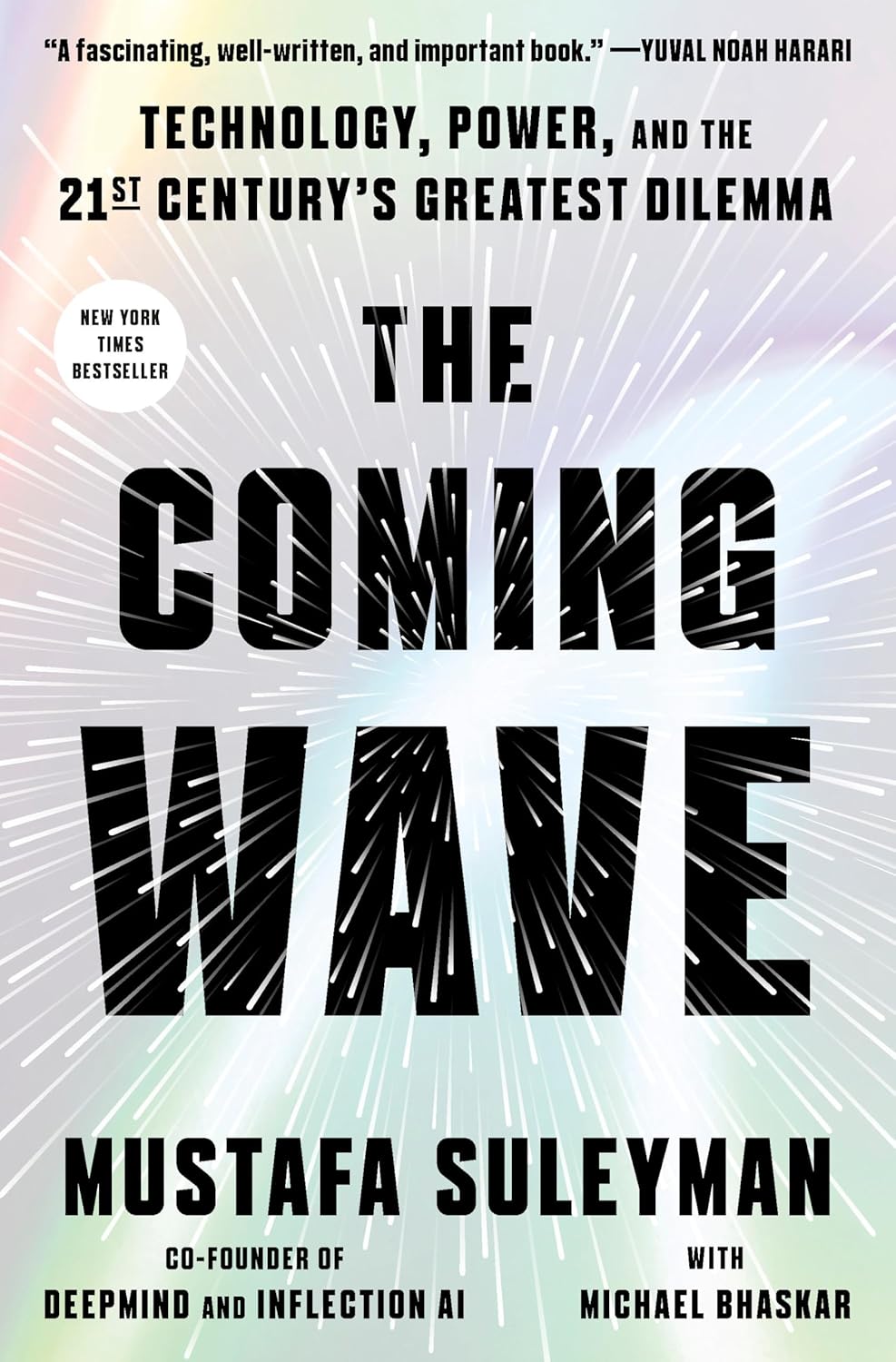
DeepMind co-founder on the dilemma of containing technologies that do not want to be contained.
As an Amazon Associate, Zendoric earns from qualifying purchases; the price does not change for you. · all our recommended books →
🔗 Related on Zendoric
- Meta enters the agentic AI price war: Muse Spark 1.1 arrives with a discount and its own cage · 2026-07-10
- Claude Science: Anthropic takes aim at the heart of science and health with a dedicated product · 2026-07-01
- Anthropic, both accuser and accused: the complaint against Alibaba lands amid a regulatory storm · 2026-06-26
Sources & references
- qz.com — Meta starts charging for its AI: it launches the paid Muse Spark 1.1 API to take on Anthropic and OpenAI
- ai.meta.com — Meta launches Muse Spark 1.1 and opens its new Meta Model API in public preview
- openai.com — OpenAI launches GPT-5.6: the Sol, Terra and Luna family bets on efficiency and performance per dollar
- reuters.com — OpenAI unveils ChatGPT Work, its new agentic 'super app', and intensifies the rivalry with Anthropic
Get the analysis by email · free
One email a day analysing the AI essentials. Free, no spam, unsubscribe anytime.
We'll send you a confirmation email (double opt-in). Privacy.