URAC puts a quality seal on healthcare AI: trust is starting to be certified

🕒 Published on Zendoric: July 11, 2026 · 00:27
✨ AI-generated · how it's made
URAC, the body that has spent 35 years accrediting healthcare organizations, has begun certifying healthcare AI companies as well, under standards for transparency, testing, bias management and data security. It's a first step toward auditable clinical AI, though the article doesn't specify which firms or how many have obtained it.
📚 Go deeper
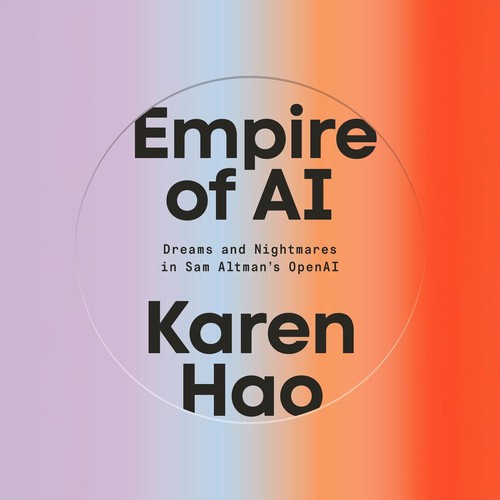
The definitive piece of investigative journalism on OpenAI: 260+ interviews, the clash between safety and speed, and the attempted firing of Sam Altma
As an Amazon Associate, Zendoric earns from qualifying purchases; the price does not change for you. · all our recommended books →
By BenefitsPRO · July 10, 2026.
URAC, the organization that for 35 years has accredited hospitals, insurers, and other players in the U.S. healthcare system, has extended its seal to companies applying artificial intelligence to health. Its standards for AI cover four fronts: transparency about how the model works, performance testing, bias management, and data security. The available material does not specify which particular companies have already obtained accreditation or under exactly which evaluation criteria, so the news is best treated as the announcement of a framework rather than a tally of results.
The fact itself matters more than it appears. Generative AI has spent two years entering clinical workflows —triage, record summarization, diagnostic support— without a recognizable industry standard to separate what is reliable from what merely sounds convincing. That an accreditor with a track record in health, rather than an ad hoc audit startup, is the one setting the bar is a sign of maturity: it turns healthcare AI into something that can be certified, compared, and, if it comes to that, pulled from the market if it fails to comply.
In the short term, however, one must be cautious about the real scope of this type of seal. An accreditation certifies processes —that bias testing exists, that there is transparency documentation, that data is protected— but does not by itself guarantee that a specific model is more accurate in a diagnosis or fails less in a minority population. The risk, as with other certifications in the tech industry, is that the seal becomes a marketing argument before it is a guarantee verified by independent third parties with access to real clinical performance data.
Our reading is that this kind of trust infrastructure is precisely what is needed for the underlying thesis of AI in health —getting us closer to detecting and treating diseases earlier, with less human error and at lower cost— to hold up over time rather than derail over a bias scandal or a data leak that abruptly stalls adoption. The healthcare abundance AI promises does not arrive through the brute force of the most powerful model, but through the step-by-step construction, with boring institutions like accreditors, of a system in which doctors, insurers, and patients can trust without having to audit every algorithm themselves. Accreditations like this are not the sector's flashy news, but they are the kind of regulatory plumbing that determines whether the long-term promise is fulfilled in an orderly way or with jolts.
📚 Go deeper
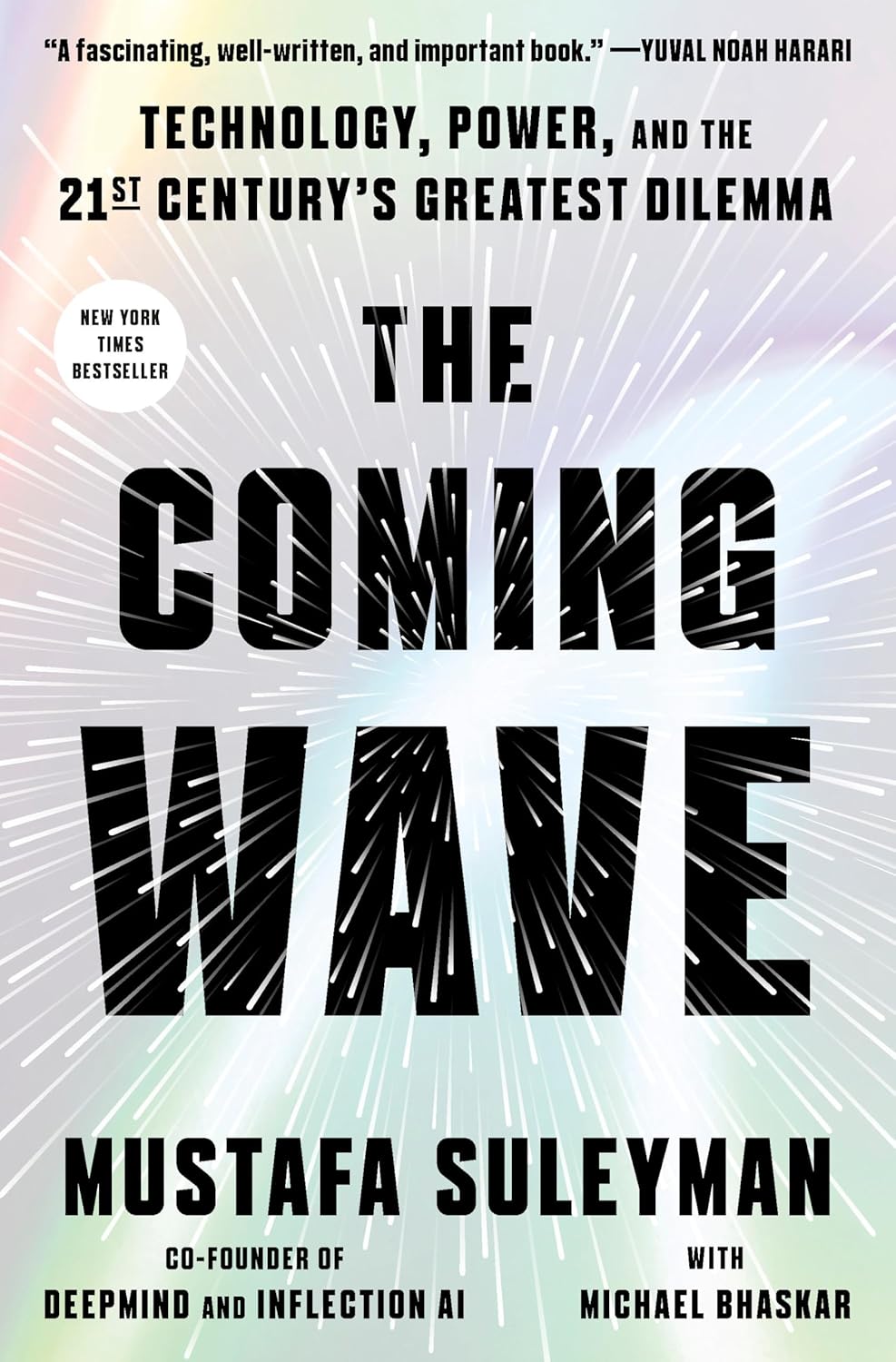
DeepMind co-founder on the dilemma of containing technologies that do not want to be contained.

AI as the latest chapter in the history of information networks, from gossip to the printing press to the algorithm.
As an Amazon Associate, Zendoric earns from qualifying purchases; the price does not change for you. · all our recommended books →
🔗 Related on Zendoric
- With 'Jalapeño,' OpenAI stops being just a silicon customer and becomes the architect of its own infrastructure · 2026-06-26
- Personalized cancer vaccines in 24 hours: China makes a bet that has yet to prove its clinical efficacy · 2026-06-30
- Leadership and change management in the AI era: from automation to augmentation · 2026-07-02