AI literacy starts in the neighborhood: why a local school workshop matters more than it seems
🕒 Published on Zendoric: July 10, 2026 · 00:24
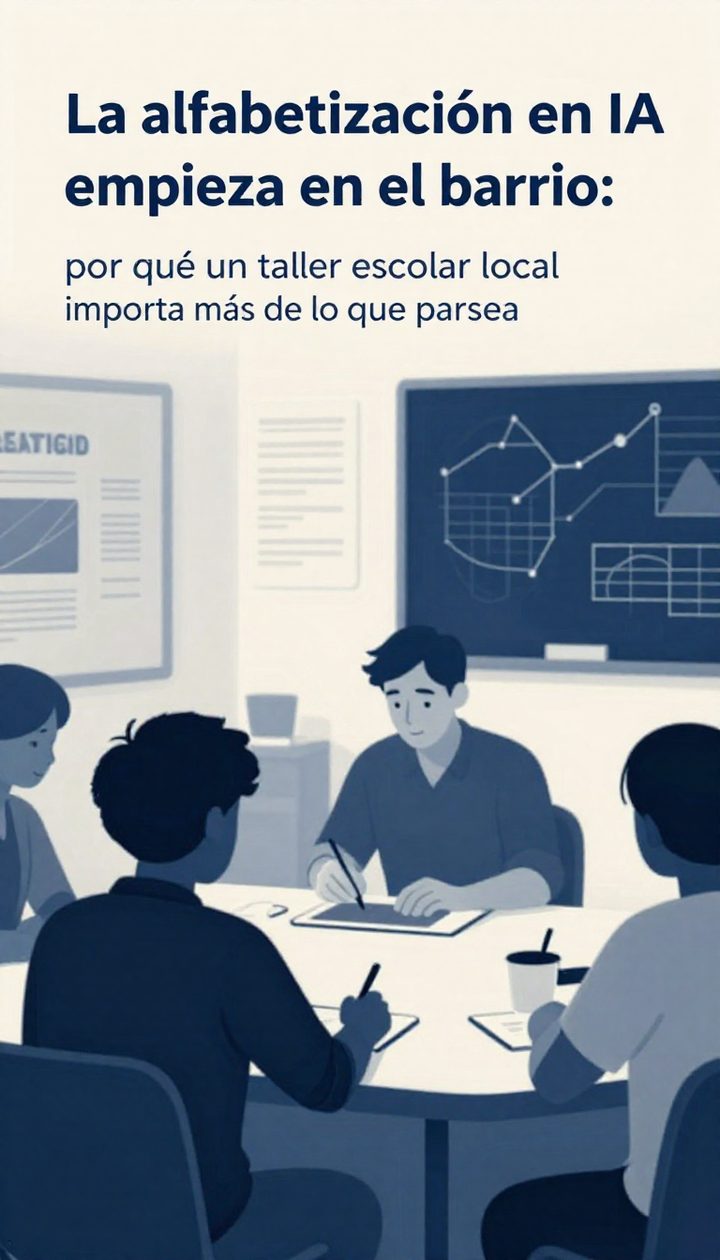
A Broward school board member is organizing a free workshop in Coral Springs so parents can understand how AI is already in their children's classrooms. It's a local gesture, but it points to a structural problem: the gap in AI understanding among families.
📚 Go deeper
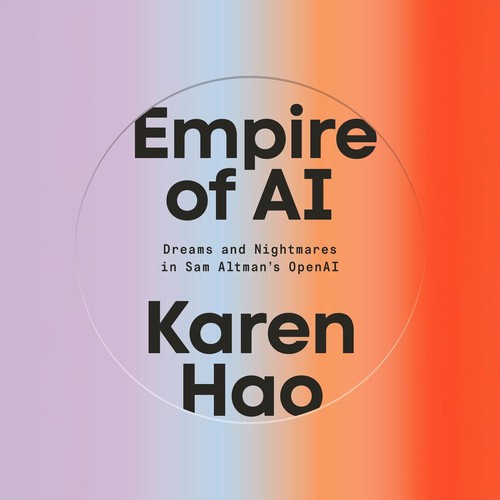
The definitive piece of investigative journalism on OpenAI: 260+ interviews, the clash between safety and speed, and the attempted firing of Sam Altma
As an Amazon Associate, Zendoric earns from qualifying purchases; the price does not change for you. · all our recommended books →
We'll send you a confirmation email (double opt-in). Privacy.
By Coral Springs Talk · July 9, 2026.
Lori Alhadeff, a member of the Broward County School Board for District 4, will host a free session on August 17 called "Back to School AI: What Parents Need to Know" at a restaurant in Coral Springs, Florida. The hour-and-a-half event aims to explain to families how artificial intelligence is being integrated into the county's public schools, what safe choices can guide their children online and how to support learning and creativity at home, with a Q&A session included.
It is a modest event —a local school board, a restaurant-sized capacity, no budget figures or detailed curriculum in the announcement— and it is best not to oversell it: there is no new educational program here nor a formal policy, but rather an informational talk driven by an elected official. Yet the gesture reveals an underlying trend that does matter: while the big AI labs compete over benchmarks and education ministries draft guidelines, real adoption happens in specific classrooms, and it is families —not regulators or companies— who have to interpret it in real time, with very little specific training to do so.
In general, the debate about AI in education tends to polarize between panic ("kids no longer think, they hand their homework to the chatbot") and uncritical enthusiasm ("every student will have a personalized tutor"). The experience accumulated so far, however, points to something more nuanced: the risk is not the tool itself, but handing it the work of thinking without supervision, and that risk is distributed very unevenly according to each family's cultural capital. Those who already have mentors, time and the habit of accompanying homework turn AI into one more helper; those who do not run the risk of the chatbot replacing, rather than complementing, learning. Initiatives like this one —though hyperlocal and with no pretension of scaling— are an attempt, still artisanal, to close that gap from the ground up: bringing AI literacy to whoever decides at home, not just to whoever teaches it in the classroom.
Our reading is that this kind of community effort will keep multiplying before a clear national or state standard exists on what parents should know, precisely because formal education systems move more slowly than the technology they are trying to regulate. In the short term, that means an uneven patchwork of training depending on the district, the goodwill of each elected official or the activity of each community, which reproduces exactly the access gap it aims to correct. In the long term, however, if these practices consolidate and connect with more solid curricula, they point in the right direction of the thesis we hold at Zendoric: a society where AI frees up time and capacity to learn better only works if human accompaniment —from parents, teachers and community— does not disappear, but is reinforced with the right tools to exercise it.
📚 Go deeper

AI as the latest chapter in the history of information networks, from gossip to the printing press to the algorithm.
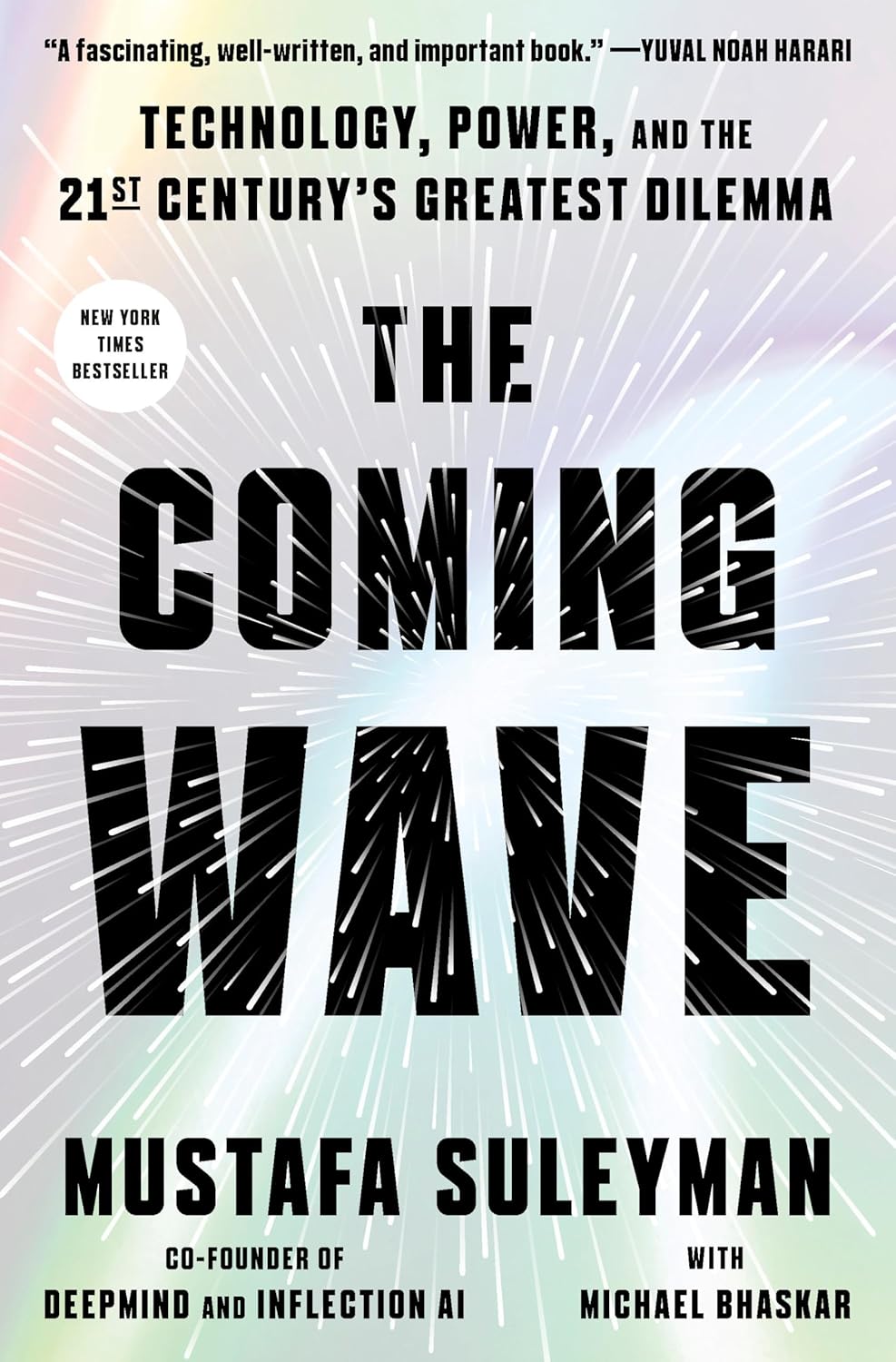
DeepMind co-founder on the dilemma of containing technologies that do not want to be contained.
As an Amazon Associate, Zendoric earns from qualifying purchases; the price does not change for you. · all our recommended books →
🔗 Related on Zendoric
- Digital literacy from a special-needs school: when understanding AI matters more than fearing it · 2026-07-02
- Bristol students showcase AI and aerospace projects: the next generation is already touching the future · 2026-06-30
- AI literacy from primary school: why teaching the habit matters more than banning the tool · 2026-07-09
Sources & references
Get the analysis by email · free
One email a day analysing the AI essentials. Free, no spam, unsubscribe anytime.
We'll send you a confirmation email (double opt-in). Privacy.