AI cheating reaches the Ivy League: the problem isn't the chatbot, it's what we measure as learning

🕒 Published on Zendoric: July 10, 2026 · 00:24
A National Review headline points to a wave of AI cheating at elite US universities. Without the article's detail, the underlying fact is already known: traditional university assessment isn't ready for an assistant that writes better than most students.
📚 Go deeper
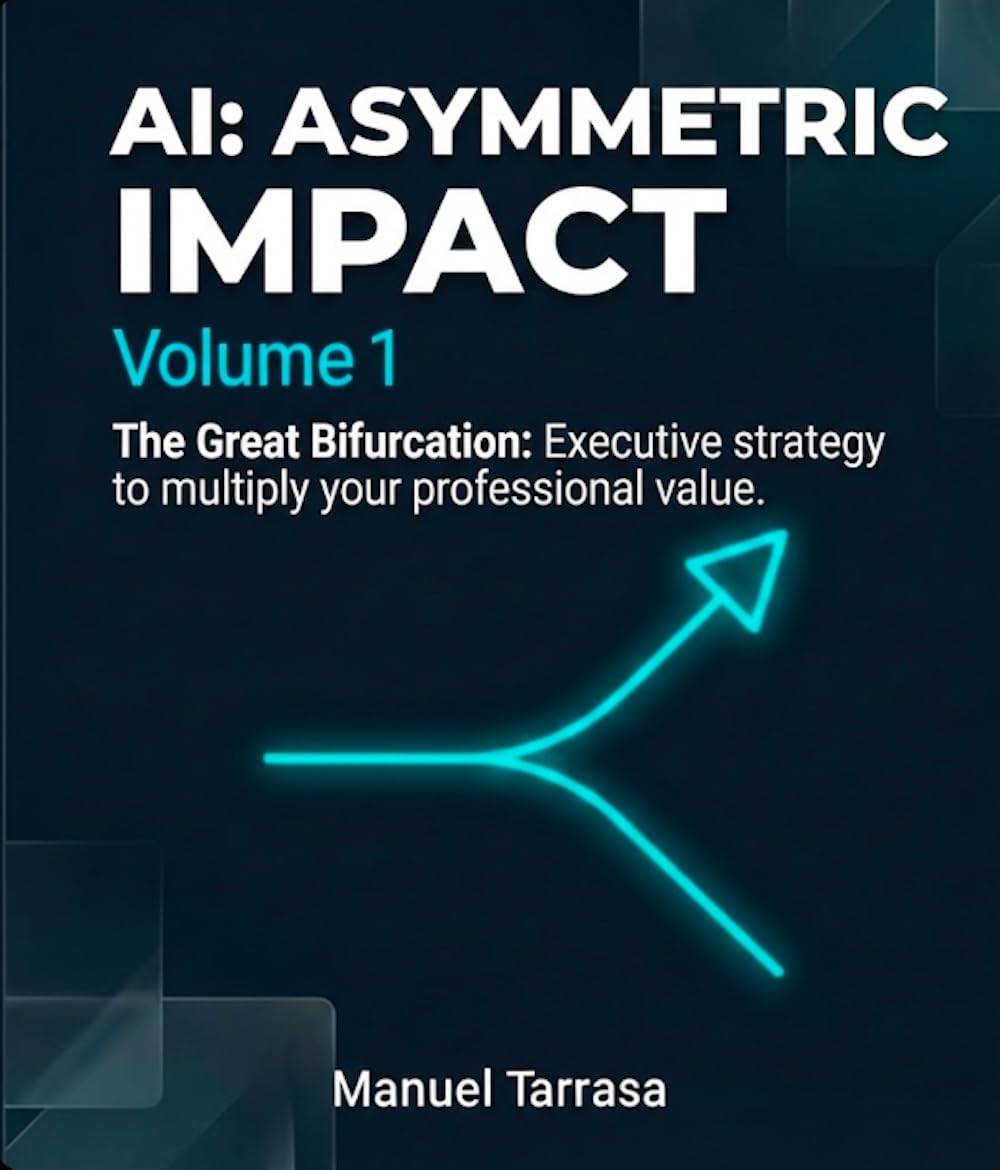
How to future-proof your career and multiply your professional value as AI collapses the cost of cognitive work: the "Great Bifurcation" between those
As an Amazon Associate, Zendoric earns from qualifying purchases; the price does not change for you. · all our recommended books →
We'll send you a confirmation email (double opt-in). Privacy.
By National Review · July 9, 2026.
The material available for this piece is limited to the headline and a brief description: the Ivy League is reportedly facing a 'wave' of academic cheating enabled by AI. We don't have access to the body of the article, so we're not going to invent figures, specific universities or particular cases we cannot verify. What we can do is put the phenomenon in context, because it is neither new nor exclusive to the most prestigious universities: it is the expected friction between an assessment system designed for a world without generative AI and a tool that writes essays, solves problems and codes with ease.
In general, the pattern that keeps recurring in coverage of AI and higher education since ChatGPT became popular is the same one: AI-text detectors fail frequently (both false positives and negatives), academic policies vary enormously across departments and professors, and the student's incentive —to turn in good work with minimum effort— hasn't changed, it has only become easier to satisfy. That this is now reaching elite institutions shouldn't come as a surprise: they are the universities with the most competitive pressure, transcripts that define careers and students with early access to the most powerful tools.
Our reading is that the real problem is not the cheating itself, but that it reveals poorly designed assessment. A take-home, unsupervised essay measured a student's thinking reasonably well a decade ago; today it mainly measures their access to a good model and their skill at giving instructions. Institutions that react by banning AI and chasing its use with unreliable detectors will lose a race they cannot win. Those that redesign assessment —oral exams, live defenses, work shown step by step, projects that require supervised iteration— won't eliminate the temptation to cheat, but they will recover the ability to measure what really matters: whether the student knows how to think, not whether they know how to type a prompt.
This connects with something we've already pointed out in our analysis of AI and education: the risk is not the tool, it's delegating the work of thinking. And here a question of inequality also appears, one that is rarely discussed with the same intensity as the isolated scandal: students with mentors, tutors and families who already closely supervise their education use AI as a learning accelerator; those without that support use it as a substitute for effort. The 'wave of cheating' in the Ivy League is, at bottom, a visible symptom of a structural problem that affects all of education, only that it shows more there because there is more at stake and more eyes on it.
📚 Go deeper
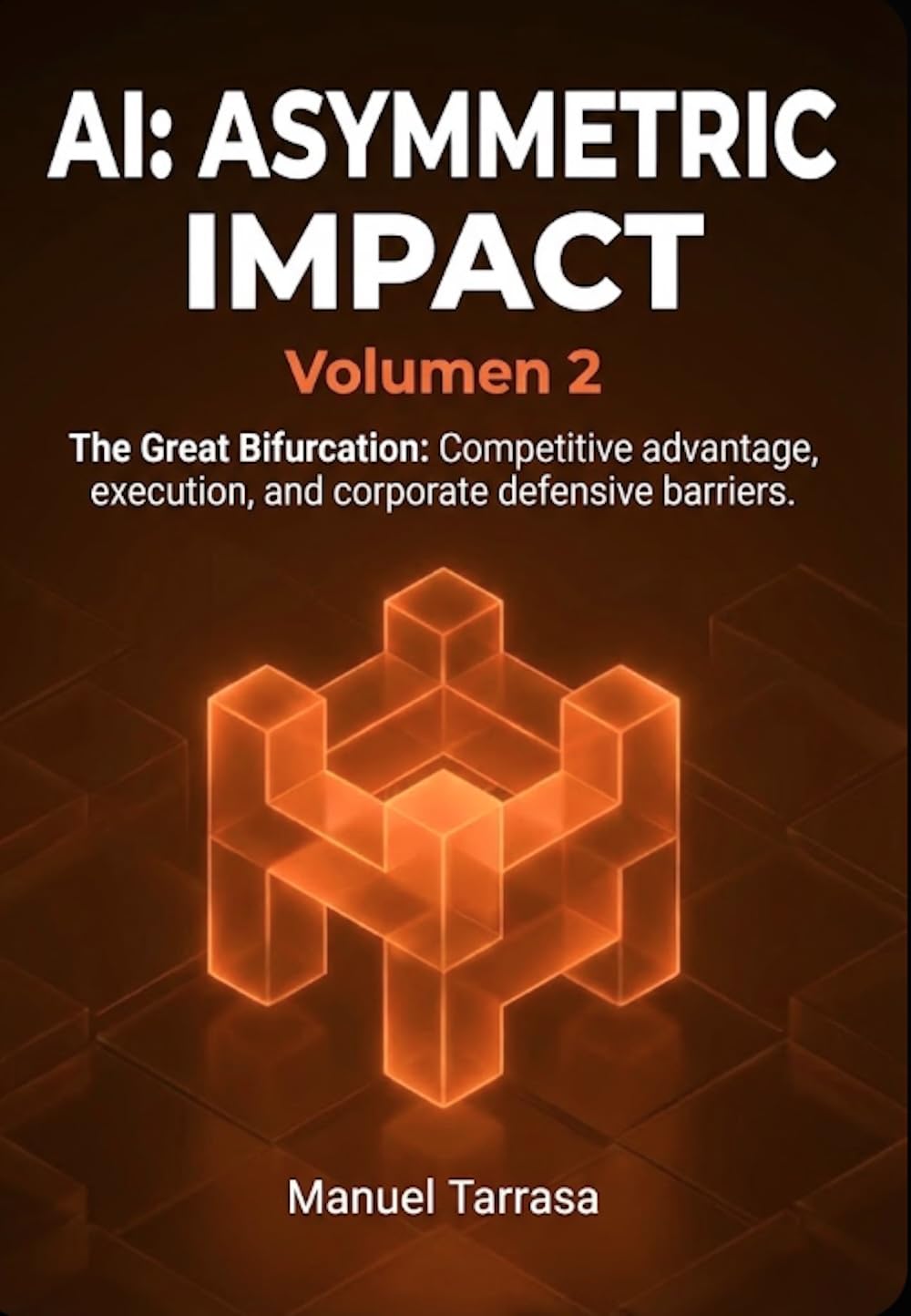
The same bifurcation seen from the boardroom: strategy, execution and defensive moats to reorganize a business around AI before your competitors do.
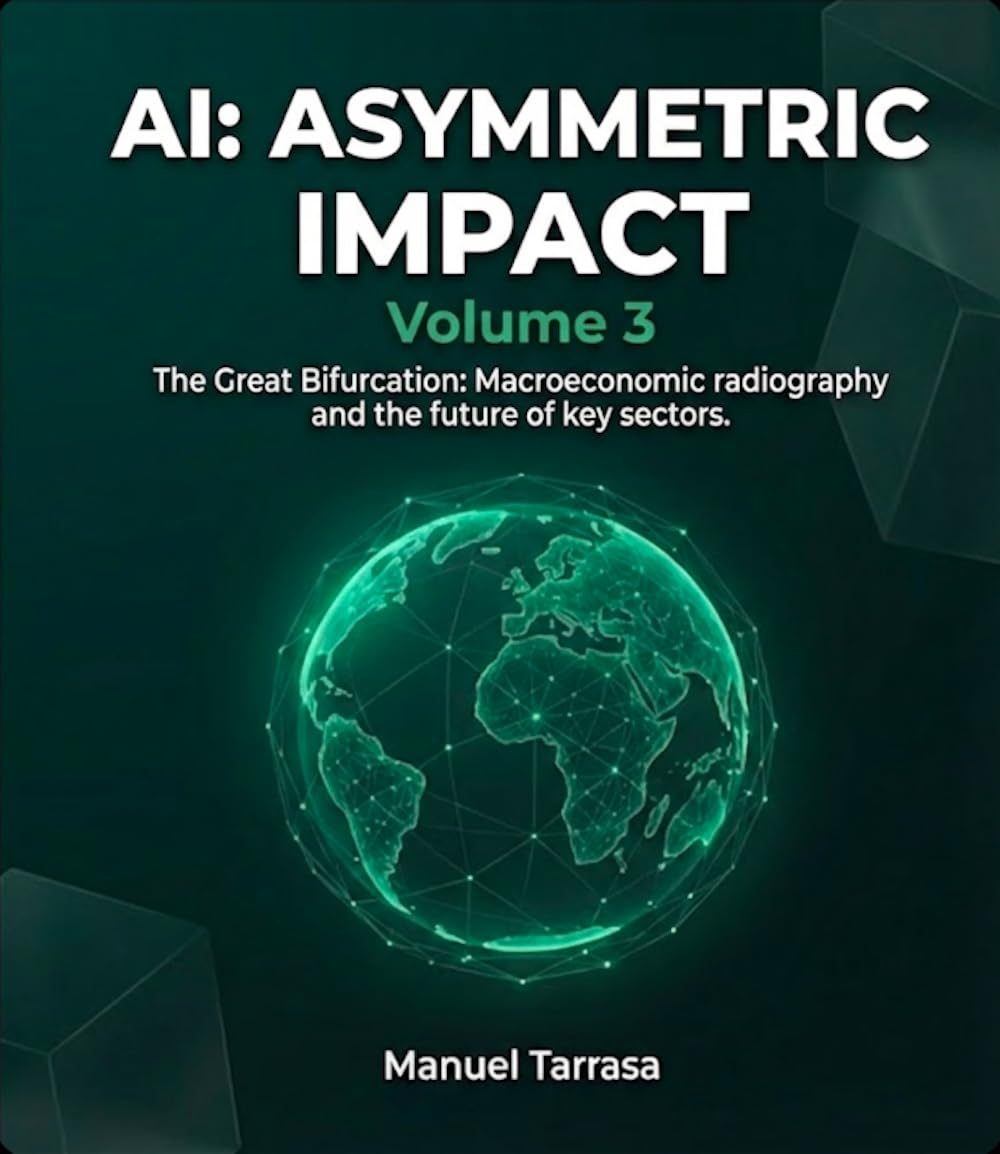
A macroeconomic, sector-by-sector X-ray of how AI redraws the global chessboard over the coming decade, with the human factor at the center.
As an Amazon Associate, Zendoric earns from qualifying purchases; the price does not change for you. · all our recommended books →
🔗 Related on Zendoric
- Suspicions of AI cheating in the Ivy League: an in-person exam sinks grades by 50% at Brown · 2026-07-10
- AI glasses in exams: when cheating beats the top 5 of the class, the assessment system has a bigger problem · 2026-06-28
- AI that acts without human oversight: the UN points to the real problem of this decade, not the sci-fi one · 2026-07-02
Sources & references
Get the analysis by email · free
One email a day analysing the AI essentials. Free, no spam, unsubscribe anytime.
We'll send you a confirmation email (double opt-in). Privacy.