OpenAI buries its Atlas browser in under a year: agentic AI moves to work, not to Google
🕒 Published on Zendoric: July 10, 2026 · 00:24
OpenAI is shutting down ChatGPT Atlas, the browser that was going to do tasks for you, barely nine months after launching it. The corpse is recycled into 'ChatGPT Work', the new bet to take on Anthropic in enterprise productivity.
📚 Go deeper
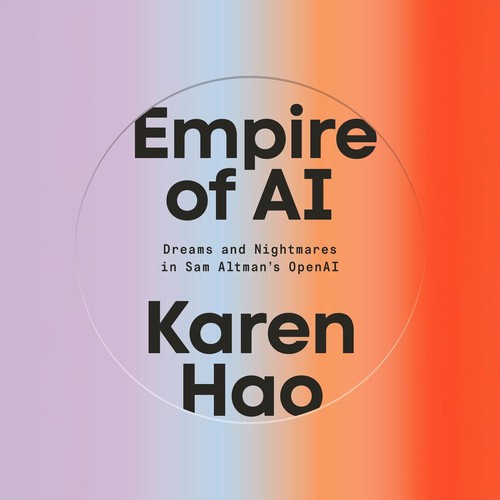
The definitive piece of investigative journalism on OpenAI: 260+ interviews, the clash between safety and speed, and the attempted firing of Sam Altma
As an Amazon Associate, Zendoric earns from qualifying purchases; the price does not change for you. · all our recommended books →
We'll send you a confirmation email (double opt-in). Privacy.
By The Verge · July 9, 2026.
OpenAI has confirmed that it will retire ChatGPT Atlas, the browser with agentic capabilities it unveiled in October, with a planned shutdown date of August 9. Less than a year of life for a product that aspired to redefine how we browse the web by letting an agent run errands for us. The announcement comes wrapped in the unveiling of 'ChatGPT Work,' which includes a revamped browser inside the desktop app and a cloud version designed for work environments. As the company itself notes, this follows up on what the Wall Street Journal reported in March: OpenAI had spent months planning to merge the ChatGPT app, Codex and Atlas into a single desktop 'superapp.' A company official, James Sun, put it bluntly: everything learned from Atlas users has been poured into these new products.
The pattern matters more than the individual product. Atlas is not the only recent casualty: OpenAI has also shut down its video-generation app Sora and shelved plans for an 'adult mode' for ChatGPT. Three high-profile projects, three withdrawals in a few months. Read together, it does not look like an isolated failure but a deliberate pruning of 'side quests'—a term OpenAI itself has used—to concentrate engineering and capital on what really competes: the terrain of agentic productivity where Anthropic, with Claude for work and its enterprise integrations, has taken the lead in market perception.
Our reading is that this shutdown does not disprove the underlying thesis of agentic AI; it reaffirms it in its correct form. A browser that clicks for you on your behalf is a flashy demonstration but of limited value if it is not anchored to real workflows, with memory, organizational context and connected tools. What OpenAI has learned with Atlas—and it says so explicitly—is that the usefulness lay not in 'browsing better' but in 'working better,' and that lesson is now being reinvested in a product aimed at businesses. It is the same lesson we already put in writing when analyzing real agent deployments in customer service or scientific labs: the competitive advantage lies neither in the wrapper nor in the underlying model, but in the architecture that connects that model to an organization's daily work, and in whether that architecture is auditable and reliable.
There is also an uncomfortable reading for those who buy every AI launch as if it were definitive. In a sector that moves billions and where every lab announces the future each quarter, the half-life of a consumer product can be months, not years. That is not necessarily bad news at bottom: it is the cost of the fast-discovery phase that precedes consolidation, the same short-term turbulence we acknowledge without hedging in our general thesis about AI. The users who 'took a gamble' on Atlas—OpenAI's own phrase—lose a product they trusted; at the same time, the company reallocates that learning to something more likely to endure. The consolidation around 'agentic work,' rather than generic web browsing, suggests that the real battle of the coming years will not be over who has the friendliest chatbot, but over who controls the layer where agents execute business tasks in a verifiable way. There, and not in yet another browser, is where it will be decided who wins the next decade of AI.
📚 Go deeper
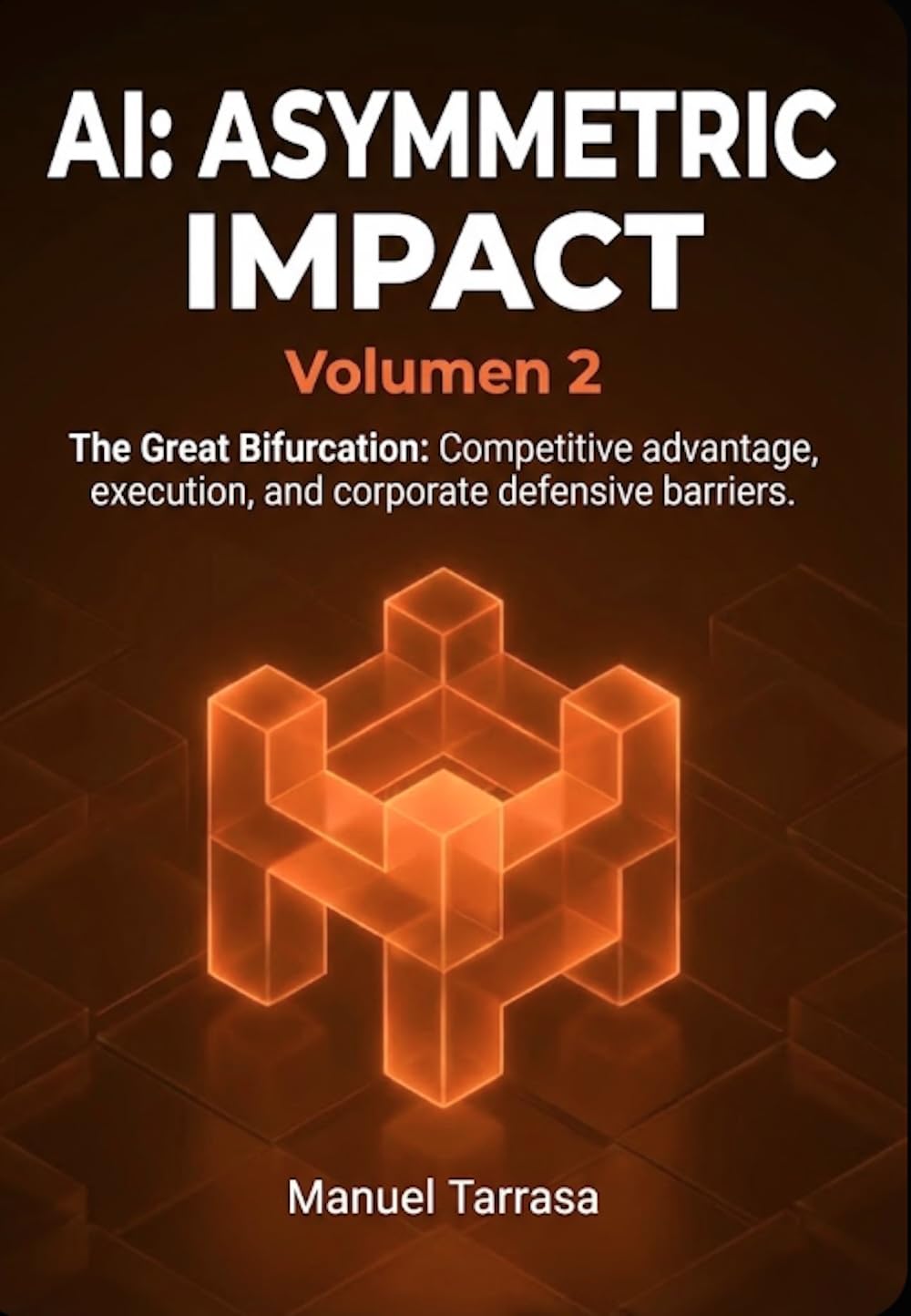
The same bifurcation seen from the boardroom: strategy, execution and defensive moats to reorganize a business around AI before your competitors do.
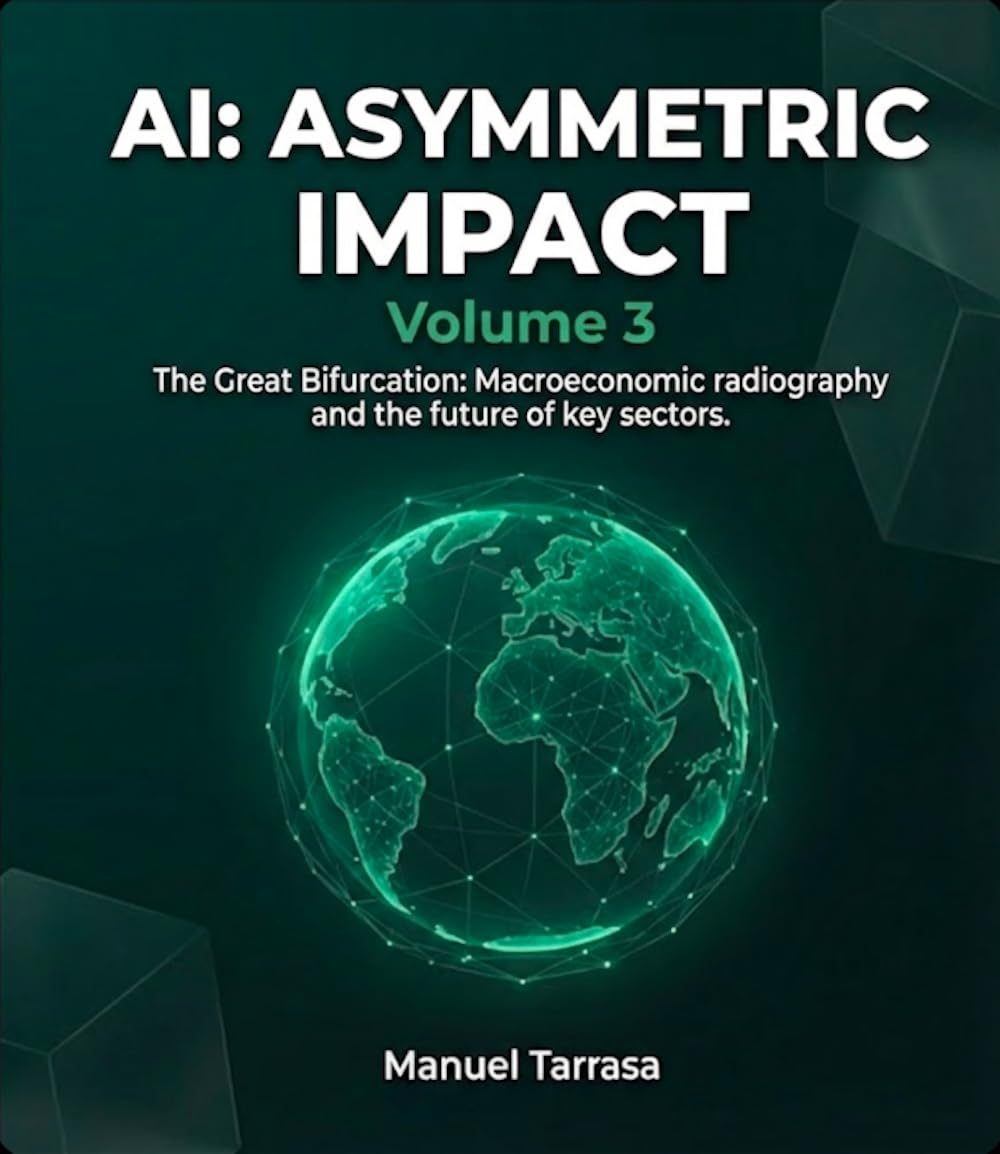
A macroeconomic, sector-by-sector X-ray of how AI redraws the global chessboard over the coming decade, with the human factor at the center.
As an Amazon Associate, Zendoric earns from qualifying purchases; the price does not change for you. · all our recommended books →
🔗 Related on Zendoric
- ESET joins the Agentic AI Foundation: cybersecurity gets a seat at the table where the agent standard is being carved up · 2026-07-02
- ESET joins the agentic AI standards foundation: the war is now over the rules, not just the model · 2026-07-04
- ChatGPT Work vs Claude Cowork: The AI War Moves From Smartest Model to Cheapest Agent · 2026-07-10
Sources & references
- The Verge — OpenAI buries its Atlas browser in under a year: agentic AI moves to work, not to Google
Get the analysis by email · free
One email a day analysing the AI essentials. Free, no spam, unsubscribe anytime.
We'll send you a confirmation email (double opt-in). Privacy.