Beyond model routing: where the real competitive edge in AI lies

🕒 Published on Zendoric: July 6, 2026 · 00:04
✨ AI-generated · how it's made
Nate opens this weekly edition by pointing out a phenomenon he observes in his work: when everyone in the AI industry says the same thing at the same time, that's usually the moment to stop asking whether the consensus is correct (it often is) and start asking where the edge is shifting…
📚 Go deeper
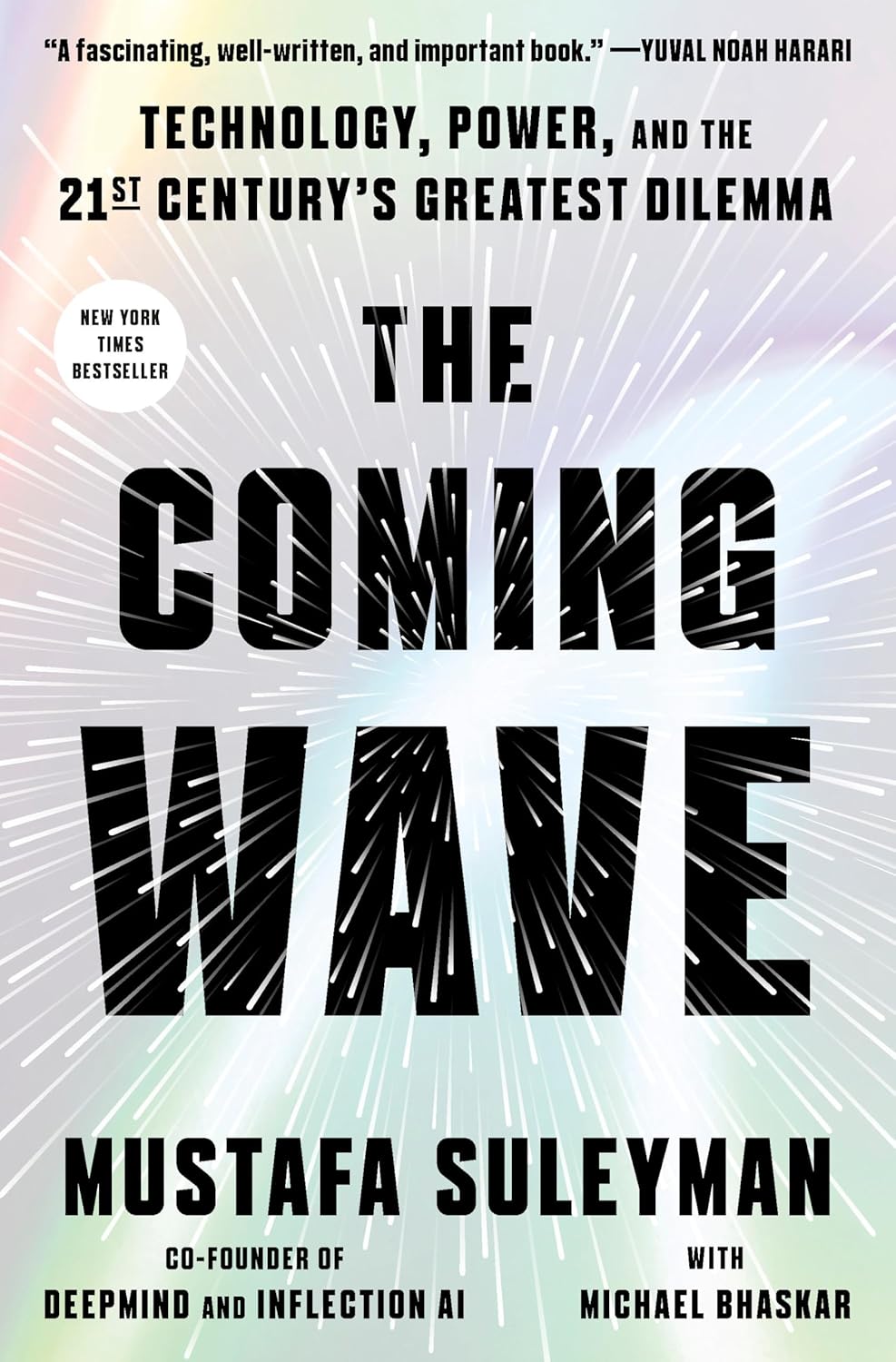
DeepMind co-founder on the dilemma of containing technologies that do not want to be contained.
As an Amazon Associate, Zendoric earns from qualifying purchases; the price does not change for you. · all our recommended books →
By Nate from Nate's Substack · July 5, 2026.
Nate opens this weekly installment by pointing to a phenomenon he observes in his work: when everyone in the AI sector is saying the same thing at the same time, that is usually the moment to stop wondering whether the consensus is right (it often is) and start asking where competitive advantage shifts once everyone has acted on that consensus. According to the author, right now the widespread consensus is: you have to route toward cheaper models.
The trigger for this conversation, he explains, was the launch of Fable 5, a model that arrived at a price of $10 per million input tokens and $50 per million output tokens—that is, double Opus 4.8. This price turned, according to Nate, every executive meeting into the same repeated question: do we have to pay this, or can we route traffic toward cheaper alternatives?
Nate argues that this question already has an answer and that it is pure arithmetic, an exercise already solved. What really interests him is the question that begins to form right behind it, and that, according to him, almost no one is asking yet: once every company in the world applies the same routing discipline—something he considers imminent because the strategy playbook is already public and every consultancy sells the same approach—where will competitive advantage then come from?
His answer is a word that, he admits, is often used vaguely in business literature: imagination. To avoid vagueness, the author promises to narrow it down to two concrete, buildable capabilities that, he claims, determine the return on any model used, whether cheap or frontier. One of these capabilities, he says, became public a few weeks ago tied to a $40 receipt.
The briefing announces that it will cover several points: first, why a $1 model tied in results with a $9 one, and why that is a fact about the nature of the task performed and not about the models themselves—the convergence everyone celebrates, he argues, is the same convergence that locks companies into the results and prices set by others.
Second, he mentions a $40 experiment that, he recounts, Mitchell Hashimoto ran and that almost no one noticed; that experiment would show, according to Nate, where competitive advantage really forms once execution becomes cheap thanks to routing.
Third, he proposes what he calls a 'two-layer configuration': using the cheapest capable model as the execution engine, and reserving frontier models for the steering function. He recommends optimizing that engine aggressively, using open-weights models when possible so that no provider controls the company's costs. The real value lever, he insists, lies in the steering layer, and its effect multiplies the cheaper the execution engine becomes.
Fourth, he offers what he describes as a one-question diagnostic that any leader can apply to their own organization, which would take ten seconds to answer and that, according to the author, reveals the real constraint on the returns a company gets from AI—a constraint that, he anticipates, has nothing to do with the price of any model.
The email ends as an introduction to that longer analysis, promising to begin with the details of the $40 receipt and work backward to explain what it is really evidence of. The body of the message also includes a mention that paying members ('Executive Circle') have access to these full Sunday briefings and to Nate's own MCP server, with a link to change subscription plans.
📚 Go deeper
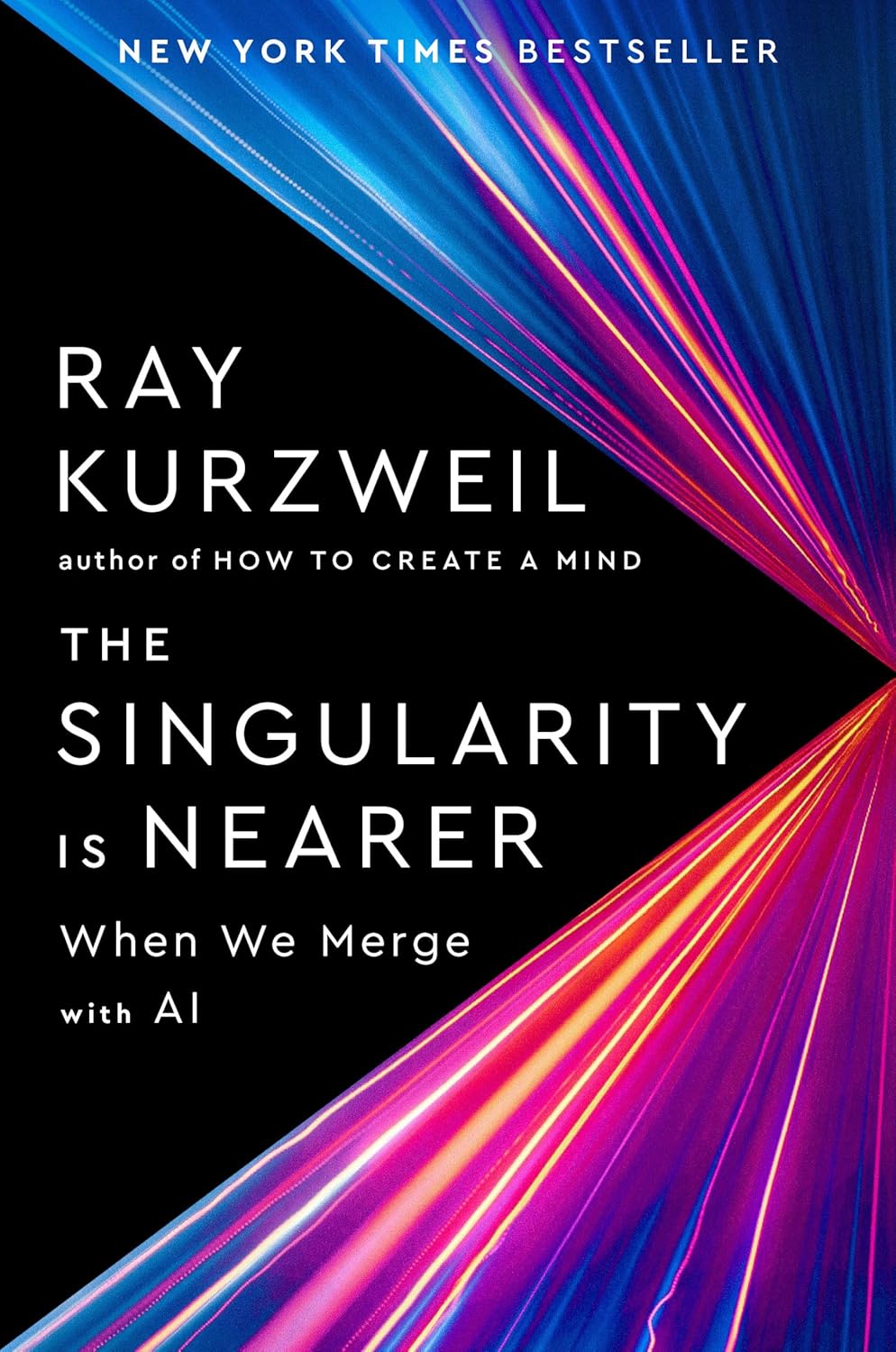
Twenty years after "The Singularity Is Near", Kurzweil revisits his predictions and keeps the date: human-AI merger around 2045.
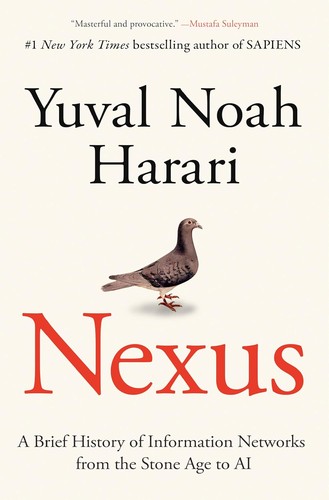
AI as the latest chapter in the history of information networks, from gossip to the printing press to the algorithm.
As an Amazon Associate, Zendoric earns from qualifying purchases; the price does not change for you. · all our recommended books →
🔗 Related on Zendoric