Alamos Gold and the noise of 'community-generated content': beware of narratives that look like analysis

🕒 Published on Zendoric: July 5, 2026 · 04:36
✨ AI-generated · how it's made
An article about the Canadian gold miner Alamos Gold slips into a feed tagged 'superintelligence,' but it has nothing to do with AI. We use the case to point out something that does matter: the difference between real financial analysis and user narratives dressed up as research.
📚 Go deeper
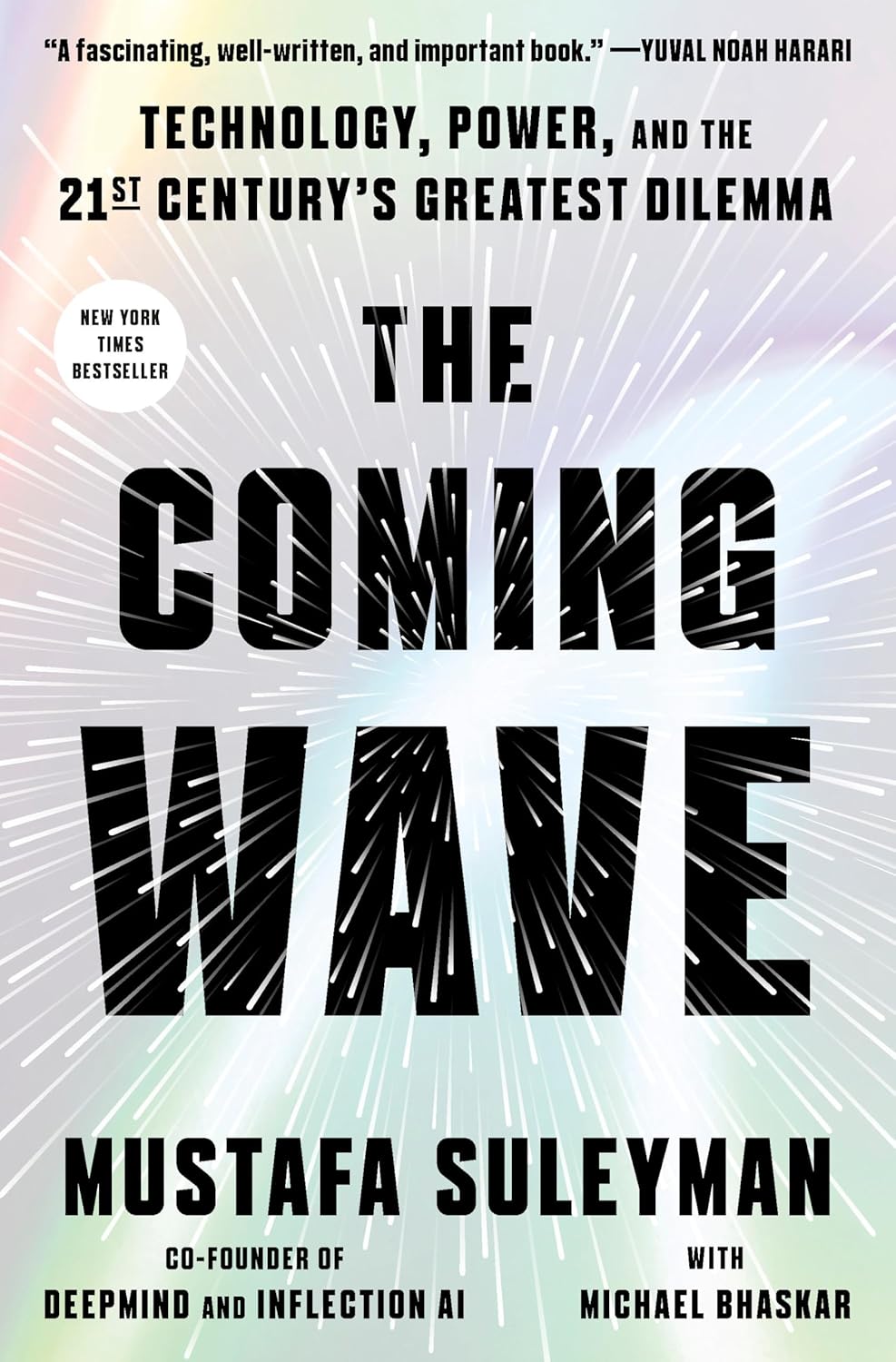
DeepMind co-founder on the dilemma of containing technologies that do not want to be contained.
As an Amazon Associate, Zendoric earns from qualifying purchases; the price does not change for you. · all our recommended books →
By Simply Wall St · July 04, 2026.
This article, despite arriving filed under 'superintelligence', has no connection whatsoever to artificial intelligence: it is about Alamos Gold (TSX:AGI), a gold miner with operations in Canada and Mexico. The facts it provides are concrete: the stock trades at 46.30 Canadian dollars, up 3.28% in a day and 4.40% over the week, following the release of new drilling results at the Island Gold mine that point to higher-grade zones and to the possibility of feeding richer ore into the expanded Magino mill. Despite that rebound, the stock has accumulated a 27.69% drop over 90 days, though its five-year return is around 398%. A community narrative highlighted on the platform places fair value at 75.55 Canadian dollars, 38.7% above the current price, betting that integrating Island Gold's high-grade underground ore with Magino's efficiency will boost margins and revenue.
As context on the editorial sector: it is worth pointing out exactly what this type of content is. Simply Wall St does not publish an in-house newsroom analysis of this bullish thesis, but rather reproduces a 'narrative' created by a user of its community, complete with followers, comments and 'likes', wrapped in the language of a valuation report. The outlet itself includes the disclaimer that it does not constitute an investment recommendation and that its methodology does not necessarily incorporate the company's most recent announcements. It is a legitimate model —collaborative investing based on fundamental data has its audience— but it is worth not confusing the wrapping (charts, 'fair value' figures, undervaluation percentages) with independent, verified analysis.
Our reading: this piece does not fit what we cover at Zendoric —AI, frontier computing, tech geopolitics— and it would be a stretch to invent a connection that does not exist in the material. But the case illustrates a phenomenon that does interest us as analysts: the proliferation of content that mimics the format of financial research (precise figures, 'fair value', discount percentages) without the editorial verification that format implies. It is the same pattern we see in other corners of the internet powered by generative AI: the form of authority no longer guarantees the substance. As text-generation tools make it cheaper to produce professional-looking analysis —whether about gold mines or language models— the reader's ability to distinguish promotional narrative from verified data becomes more valuable, not less. That is, ultimately, one of the literacy challenges that the abundance of AI-generated content poses to us all, far beyond this particular stock.
📚 Go deeper
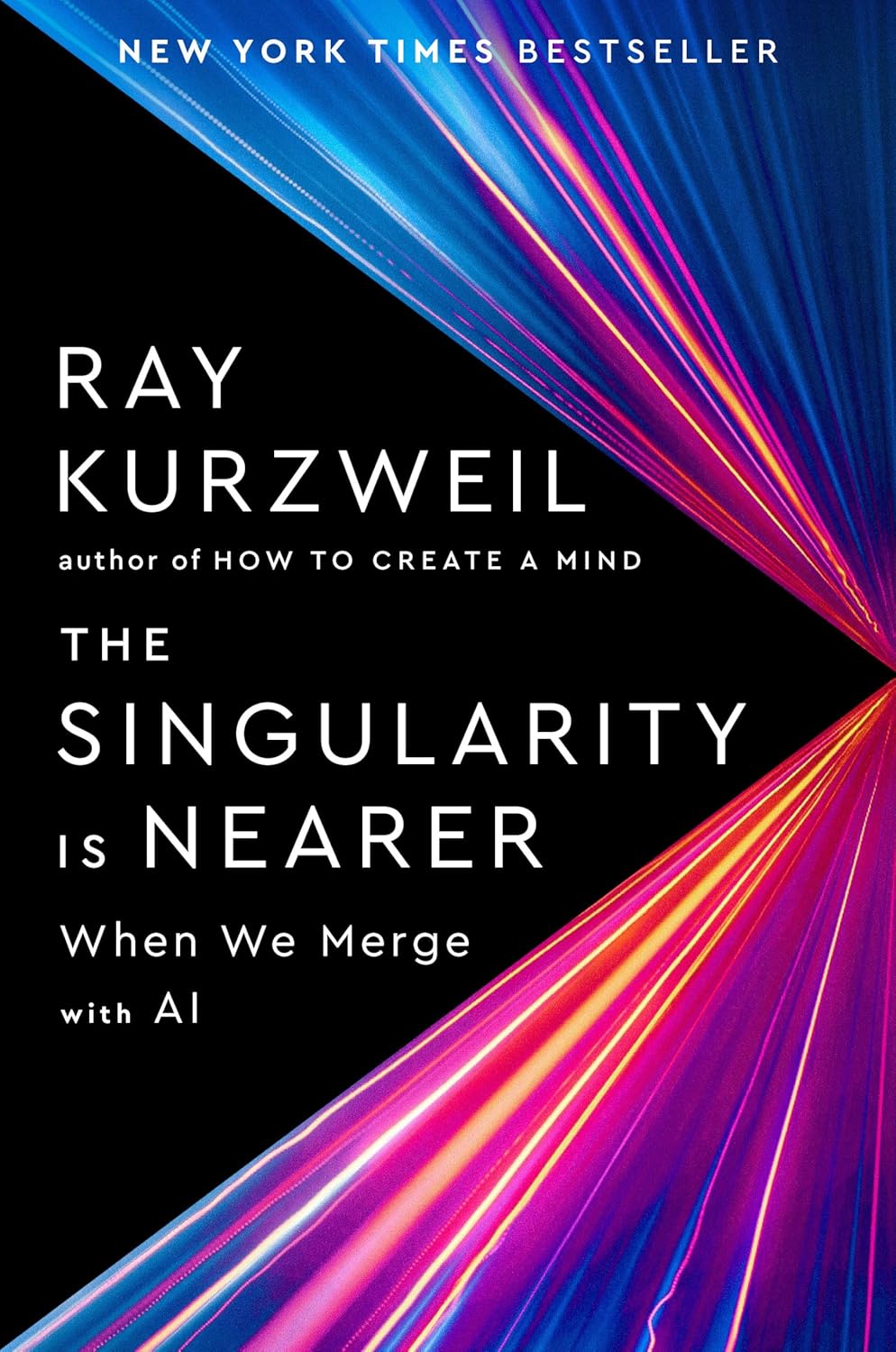
Twenty years after "The Singularity Is Near", Kurzweil revisits his predictions and keeps the date: human-AI merger around 2045.
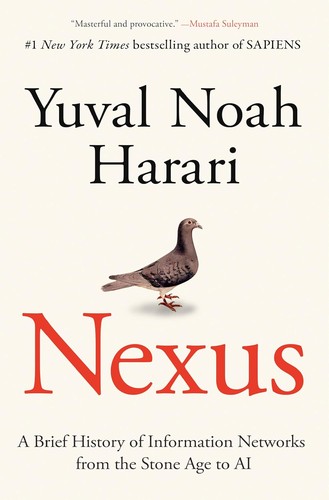
AI as the latest chapter in the history of information networks, from gossip to the printing press to the algorithm.
As an Amazon Associate, Zendoric earns from qualifying purchases; the price does not change for you. · all our recommended books →
🔗 Related on Zendoric
- When AGI isn't artificial intelligence: why this gold story has no place on Zendoric · 2026-09-03
- Alamos Gold isn't AI news: how a stock ticker slipped mining results into the superintelligence tracker · 2026-07-30
- Apple seeks permission to buy memory chips from a blacklisted Chinese company · 2026-06-30