Palo Alto Networks and CrowdStrike post their best quarter ever, driven by AI-linked cybersecurity demand

🕒 Published on Zendoric: July 3, 2026 · 01:20
✨ AI-generated · how it's made
First, a necessary caveat: this article is dated June 30, 2026 and describes events that are in the future relative to the present moment, including references to an AI model called "Mythos" (described as "too powerful to release to the public"), a program called "Project Glasswing" and a…
📚 Go deeper

The definitive piece of investigative journalism on OpenAI: 260+ interviews, the clash between safety and speed, and the attempted firing of Sam Altma
As an Amazon Associate, Zendoric earns from qualifying purchases; the price does not change for you. · all our recommended books →
First of all, a necessary warning: this article is dated June 30, 2026 and describes events that are in the future relative to the present moment, including references to an AI model called "Mythos" (described as "too powerful to release to the public"), a program named "Project Glasswing" and an OpenAI product called "Daybreak." None of these names correspond to products or programs publicly confirmed and documented as of the date of this analysis, so they should be treated as speculative, hypothetical or journalistic-fiction content (possibly linked to the same narrative context that produced the mention of "Claude Fable" in the forwarded newsletter). Below I summarize strictly what the text says, without adding or verifying anything not contained in it, and making clear that it should not be taken as a report of confirmed real events.
According to the article, Palo Alto Networks and CrowdStrike closed their best quarter ever, with stock gains of 113% and 95% respectively between April and June, driven by a wave of AI-related cybersecurity demand. The text attributes this surge to the emergence of models of the so-called "Mythos class," allegedly capable of being used by attackers to discover software vulnerabilities and launch large-scale attacks, which reportedly led companies to reinforce their defenses.
CrowdStrike CEO George Kurtz is quoted saying on an earnings call that "what the Mythos moment demonstrated is that the world, starting with the frontier AI labs themselves, realized that AI needs a cybersecurity ecosystem," describing the episode as the "Mythos inflection point."
The article maintains that both companies had early access to that model as partners in "Project Glasswing" and as early adopters of "Daybreak," a product attributed to OpenAI, in addition to having taken part in high-level meetings with the White House on AI safety.
According to the text, the success of both companies would also rest on prior bets on identity security and agentic access: Palo Alto Networks reportedly closed the acquisition of Israel's CyberArk for $25 billion, while CrowdStrike reportedly bet on the startup SGNL. The article's argument is that, faced with AI agents capable of executing cyberattacks in a matter of seconds, companies would turn to these industry leaders to protect themselves.
A quote is included from TD Cowen analyst Shaul Eyal, who states that these companies "are best positioned to keep gaining market share from a product standpoint" because "they have all the necessary ingredients," and that companies "would rather partner with market leaders that have spent decades building business models" than develop that expertise in-house.
The article mentions figures attributed to Palo Alto CEO Nikesh Arora, according to which more than 1,200 customers reportedly contacted the company to discuss cybersecurity after the "Mythos" episode, with 800 meetings held over a six-week period. Kurtz is also quoted saying that CrowdStrike's Falcon Shield identity protection platform reportedly closed its first fiscal quarter with annual recurring revenue growth four times higher.
Finally, the text notes that the rise of both companies reportedly intensified investor scrutiny, raising the bar for expectations: despite solid results and optimistic commentary on AI, the shares reportedly fell after the results were published because "good was not good enough" for investors demanding perfection. Bernstein analysts are quoted warning that this disappointment could recur in future quarters if investors expect even more momentum from "Mythos/Glasswing" and from regulatory or government pressure.
In summary: the article, as downloaded, presents a narrative about a near future (2026) in which an AI model code-named "Mythos" reportedly triggered demand for cybersecurity and catapulted Palo Alto Networks and CrowdStrike to record results. Given the unverifiable nature of the key terms ("Mythos," "Project Glasswing," "Daybreak") and the article's future date, newsletter readers are advised to treat this content with caution: it could be a forward-looking exercise, a hypothetical industry scenario or content generated in a context of speculative fiction about the future of AI and cybersecurity, rather than confirmed news.
📚 Go deeper
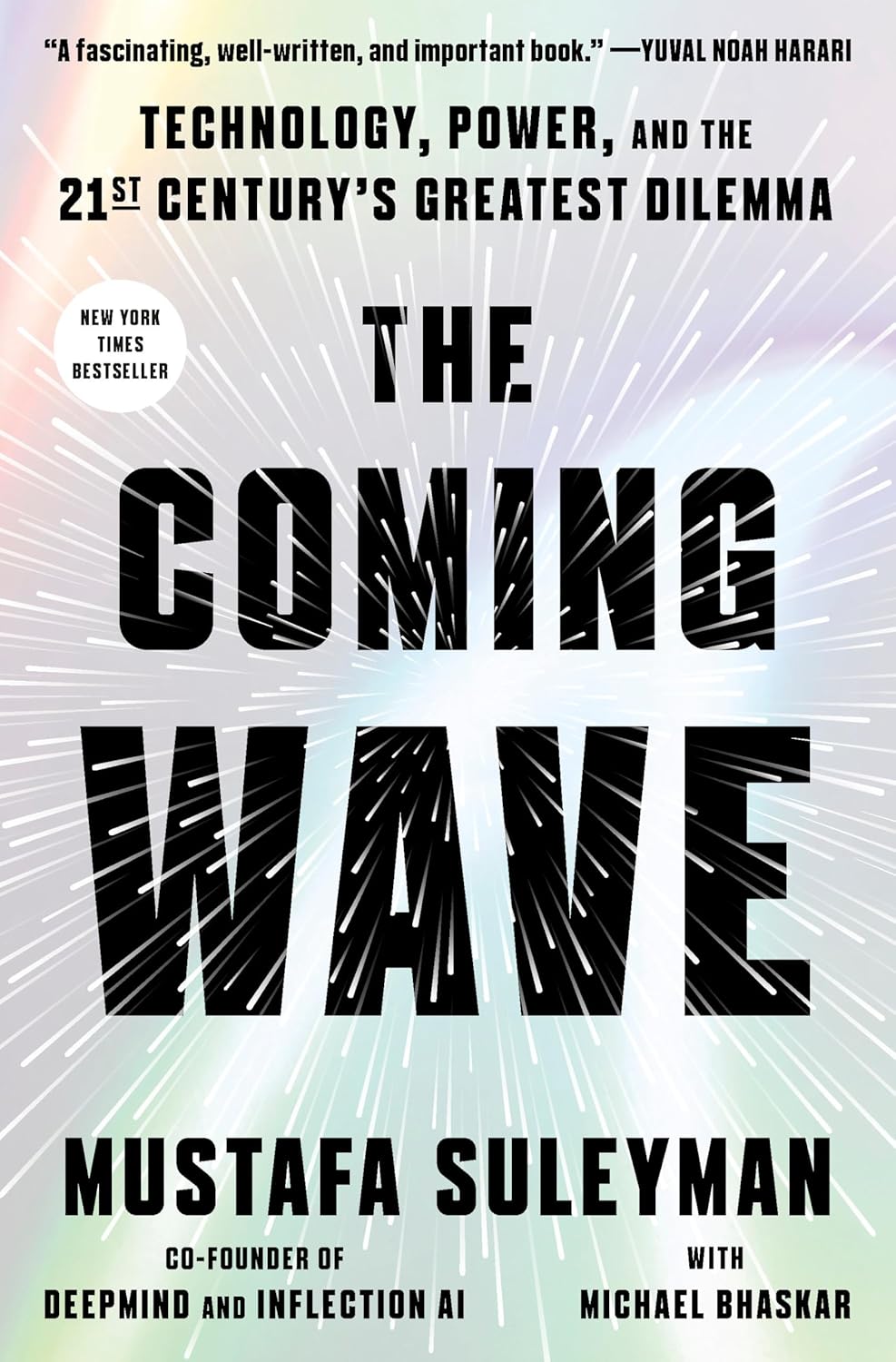
DeepMind co-founder on the dilemma of containing technologies that do not want to be contained.

The reference manual for building products on top of AI models: prompts, RAG, fine-tuning, agents, evaluation and deployment.
As an Amazon Associate, Zendoric earns from qualifying purchases; the price does not change for you. · all our recommended books →
🔗 Related on Zendoric
- The U.S. lifts the block on Anthropic's Mythos 5 model and releases it to more than 100 selected institutions · 2026-06-30
- The Trump administration partially reverses the ban on an Anthropic model called Mythos 5 · 2026-06-30
- OpenAI releases GPT-5.6 Sol to the public after delays imposed by the White House · 2026-07-10