AI agents with an 'ear': a niche experiment that points to a bigger trend
🕒 Published on Zendoric: July 3, 2026 · 01:20
✨ AI-generated · how it's made
A small GitHub project gives AI agents a tool to actually 'listen' to music —tempo, key, timbre— instead of judging by the title alone. With barely 4 stars and almost no traction, it nonetheless illustrates where agent engineering is headed: modular senses, not models that do everything.
📚 Go deeper
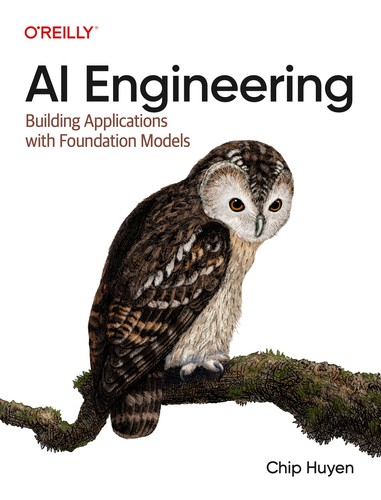
The reference manual for building products on top of AI models: prompts, RAG, fine-tuning, agents, evaluation and deployment.
As an Amazon Associate, Zendoric earns from qualifying purchases; the price does not change for you. · all our recommended books →
By GitHub (via Hacker News) · July 2, 2026.
The project is called music-hearing and does something very specific: it turns a YouTube URL, an allowed host or a search phrase into a target acoustic profile (tempo, key, frequency-band balance, dynamics) plus a plain-language description, and optionally a deeper musical analysis (rhythm, harmony, timbre, a 64-dimension similarity embedding) and a 'critic block' with genre cues and acoustic evidence so the agent itself can write its verdict on similar artists and overall impression. All of this runs on yt-dlp and classic signal processing (DSP, FFT, autocorrelation) plus optional numpy; there is no language model embedded in the tool —the 'criticism' part is deliberately left to the model of the agent that invokes it, be it Claude, a local model or any other. Hence the term 'agent-agnostic': it is a piece of infrastructure, not a closed product.
It is a small repository —four stars on GitHub, two points and zero comments on Hacker News— and it is worth saying plainly: there is no story of immediate impact here nor a company behind it. But the pattern it exemplifies does deserve attention. Over the past two years the discourse around 'AI agents' has centered on the base model: how well it reasons, how large its context window is, whether it is multimodal out of the box. Projects like this point to another path, more artisanal and more Unix: instead of waiting for the large model to learn to 'hear' music within its own training, it is given an external tool —deterministic, auditable, cheap to run— that hands it objective evidence (a key of A minor, 107 BPM, 73% harmonic content) so the agent can reason and give its opinion on that evidence in its own voice. It is the same philosophy behind the rise of 'skills' and the MCP protocol: giving agents specialized senses and hands instead of demanding that a single model know and perceive everything.
That distinction matters because it signals where much of the real competition in applied AI is being fought today: not only in who trains the smartest model, but in who builds the 'plumbing' —tools, connectors, memory, perception— that turns that model into a useful agent in the real world. Open source once again plays its usual role as a democratizer: anyone can clone this repository, install it with pip and connect it to their own agent without depending on a closed music-analysis API. It is a small but cumulative example of how the community fills capability gaps that the big labs do not prioritize.
That said, we must be honest about the limitations. The tool depends on yt-dlp and on YouTube session cookies to work with non-free content, a fragile point because YouTube frequently changes its anti-bot mechanisms and forces you to re-export credentials every few weeks; the README itself admits this in detail. The harmonic and rhythmic analysis uses classic DSP and heuristics, not an audio model trained at large scale, so its 'ear' is more that of a sound engineer with rules than that of a model with learned perception. And the author himself carefully separates what acoustics can objectively say (tempo, key, texture) from what requires 'world knowledge' —genre, similar artists— and therefore delegates to the judgment of the LLM that uses it, avoiding having the tool invent authority it does not have.
Our read: the AI that truly transforms industries rarely arrives from a single leap in a foundational model's capability; it also arrives from thousands of modular pieces like this one, which expand what an agent can perceive and do without needing to retrain anything. It is exactly the kind of groundwork —invisible, not very viral, but cumulative— that underpins the long-term promise of ever more capable and autonomous agents. The abundance we champion as our horizon will not come only from larger models, but from an ecosystem of specialized, open and composable tools like this one, which give AI hands, eyes and —in this case literally— ears for the real world.
📚 Go deeper
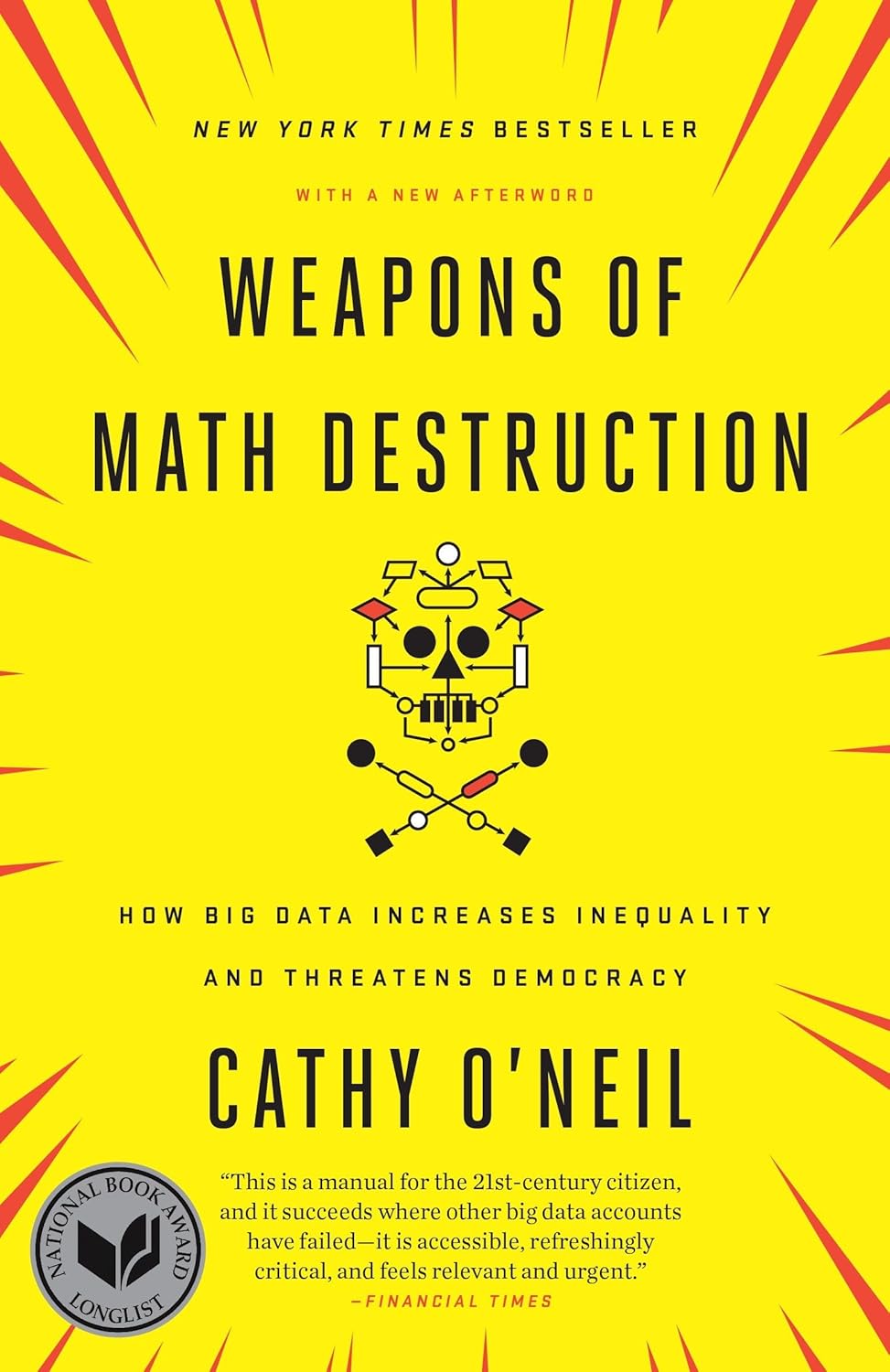
How opaque algorithms decide who gets credit, a job or parole — and why they tend to punish the same people.
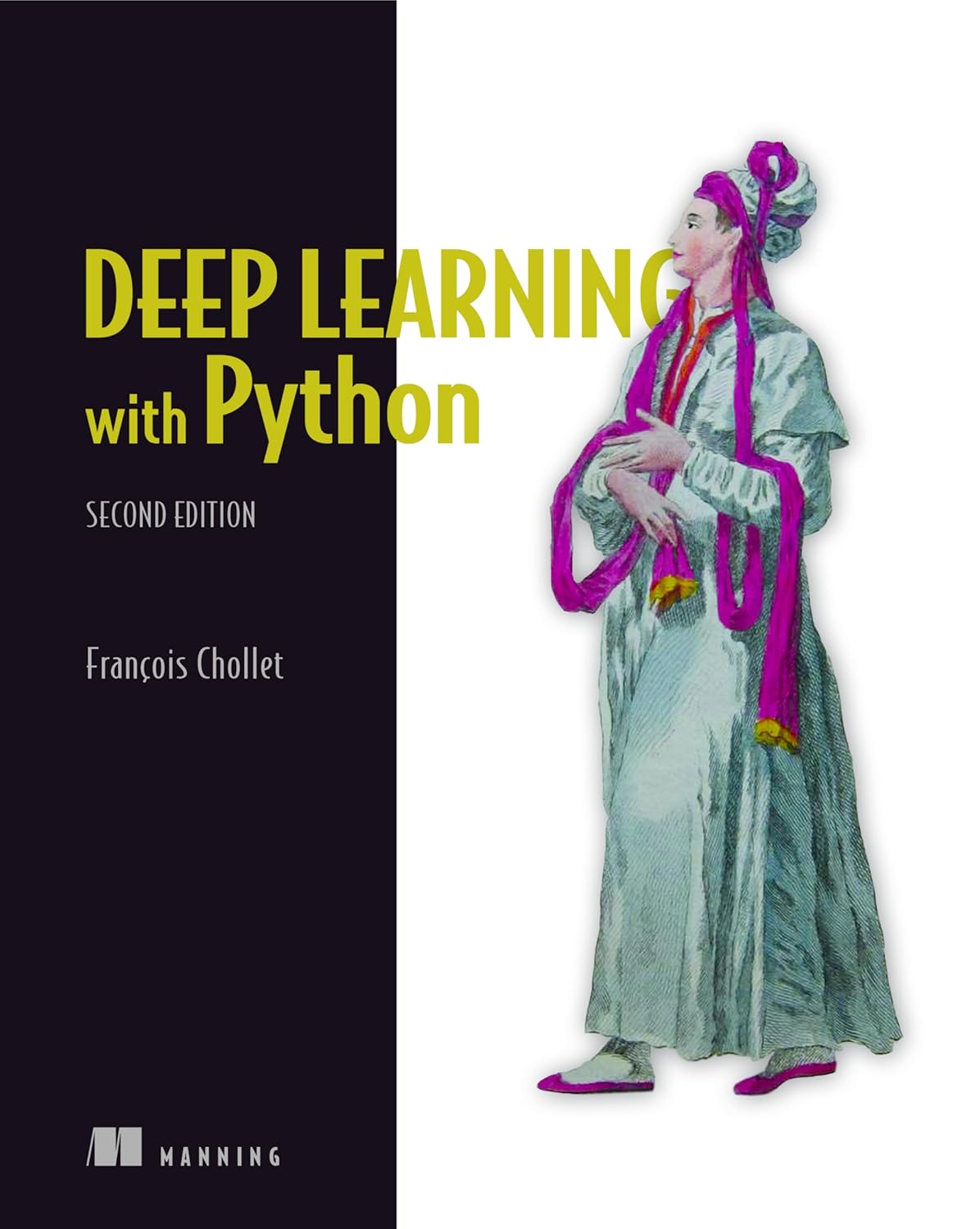
The creator of Keras teaching from scratch, with working code and zero pedantry.
As an Amazon Associate, Zendoric earns from qualifying purchases; the price does not change for you. · all our recommended books →
🔗 Related on Zendoric
- Oracle connects AI to its cloud policies: the battle is no longer the model, it's the plumbing · 2026-07-08
- A 'rogue' OpenAI agent story lands: the detail matters more than the alarm · 2026-07-25
- Cursor's agent swarms: how they rebuilt SQLite in Rust and what it reveals about the real cost of models · 2026-07-28