Claude Science and NVIDIA bring AI agents into the lab: traceability as a maturity test
🕒 Published on Zendoric: July 2, 2026 · 08:26
✨ AI-generated · how it's made
Anthropic launches Claude Science, an AI workbench for scientists integrated with NVIDIA's life-sciences tools (BioNeMo), and emphasizes something unflashy but decisive: that every result be auditable and reproducible. It's a seemingly small step, and a big one in what it signals about where AI applied to science is headed.
📚 Go deeper
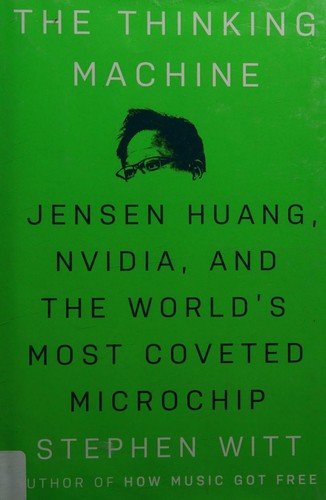
The story of NVIDIA and Jensen Huang: how a video-game card company ended up making the most coveted resource on the planet.
As an Amazon Associate, Zendoric earns from qualifying purchases; the price does not change for you. · all our recommended books →
By Campus Technology · July 1, 2026.
Anthropic unveiled on June 30 the beta of Claude Science, an application designed for researchers that integrates literature review, data analysis, figure generation, manuscript writing and computational workflows in a single environment. It is available to Claude Pro, Max, Team and Enterprise users, runs on macOS and Linux, and can be executed locally, remotely via SSH or from an access node to a supercomputing (HPC) cluster. The system relies on a generalist coordinating agent with more than 60 skills and curated connectors for genomics, single-cell analysis, proteomics, structural biology and cheminformatics, capable of working with tools already used in labs such as PubMed, Jupyter, R or cluster terminals. A week earlier, on June 23, NVIDIA had announced its BioNeMo Agent Toolkit, a set of tools specific to agentic workflows in the life sciences; Claude Science uses those skills to connect with models such as Evo 2, Boltz-2 and OpenFold3.
The most relevant part of the announcement is not the list of integrations, but the explicit emphasis on traceability. Every figure Claude Science generates includes the code and environment used to produce it, a natural-language description of the process and the message history that led to that result. In addition, the system incorporates a reviewer agent that checks citations and calculations, and can flag or correct errors. In a field where research data ends up in peer-reviewed articles, patents or clinical decisions, this is not a cosmetic detail: it is the difference between a productivity tool and a tool a lab can defend before an ethics committee or a reviewer.
This fits with something we have been observing in the sector: AI capabilities truly mature when they stop being sold for what they promise and start being designed around their failures. Just as agents' 'memory' went from a demo trick to an engineering discipline with benchmarks and audits, AI-assisted science will only be useful in production if its results can be questioned, repeated and incorporated into the review processes already existing in academia and the pharmaceutical industry. The implicit message from Anthropic and NVIDIA is that they understand this: they are not selling a chatbot that summarizes papers, they are selling a workflow a lab can scrutinize.
Our reading is that this move connects directly with the underlying thesis we hold about AI and science: if agents manage, with real human supervision, to accelerate genomics, proteomics and drug discovery with verifiable results, we are looking at one of the most credible paths toward the eradication of diseases in the medium-to-long term. It is neither magic nor imminent —it is still a beta, it still requires the scientist to retain control over sensitive data, computing and expert judgment—, but it is real infrastructure, not narrative. The question that matters in the short term is not whether Claude Science 'understands' biology, but whether institutions (universities, hospitals, regulatory agencies) trust its auditability enough to let it into the real publication and clinical-trial workflow.
There is also a business reading that should not be overlooked: NVIDIA is not content to sell GPUs, and Anthropic is not content to sell a generic assistant. Both are betting on owning specific verticals —science, in this case— before OpenAI or Google do, in a race where winning is no longer about having the smartest model in the abstract, but about controlling the complete workflow of a high-value sector with high barriers to entry. It is the same 'plumbing before raw intelligence' dynamic we have been pointing to on other fronts of the sector, now applied to the lab.
📚 Go deeper
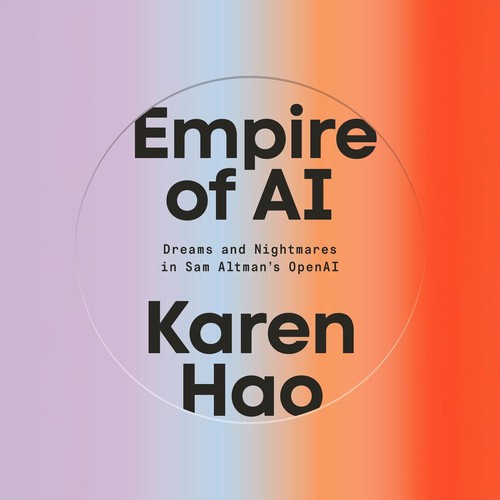
The definitive piece of investigative journalism on OpenAI: 260+ interviews, the clash between safety and speed, and the attempted firing of Sam Altma
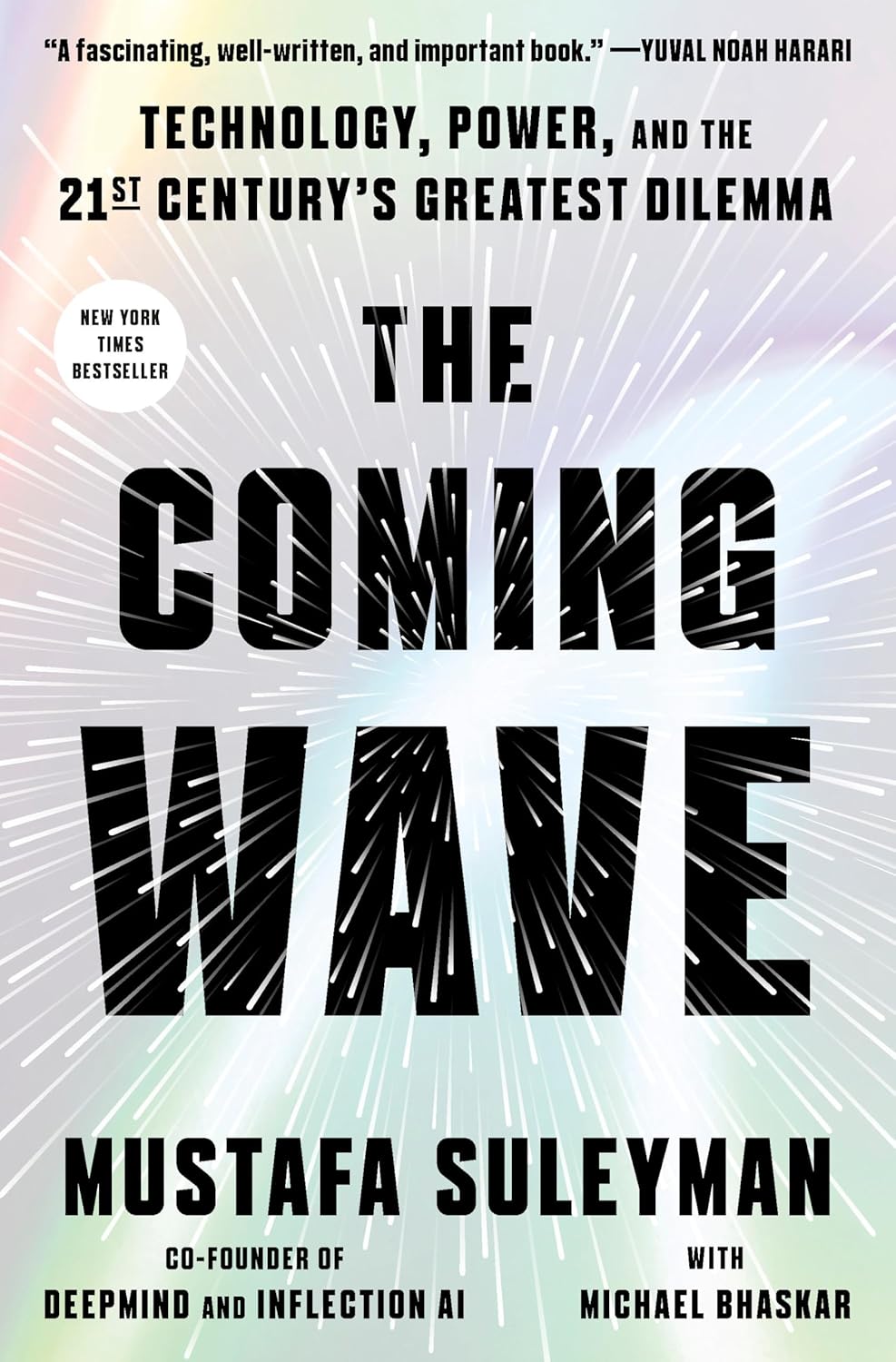
DeepMind co-founder on the dilemma of containing technologies that do not want to be contained.
As an Amazon Associate, Zendoric earns from qualifying purchases; the price does not change for you. · all our recommended books →
🔗 Related on Zendoric
- Claude Science: Anthropic steps into the lab, where AI can change more lives but the obstacles are radically different · 2026-07-01
- Claude Science: Anthropic takes aim at the heart of science and health with a dedicated product · 2026-07-01
- Claude Science: Anthropic turns its model into a lab for researchers and takes direct aim at AI's most ambitious promise · 2026-07-01