Relationships with AI are already a real social phenomenon, not science fiction: the question is how to govern the risk

🕒 Published on Zendoric: July 2, 2026 · 08:26
✨ AI-generated · how it's made
Research confirms what many suspected: emotional bonds between people and AI chatbots are real, spreading, and come with documented psychological risks. The headline is brief, but the underlying trend has been accumulating evidence for months.
📚 Go deeper
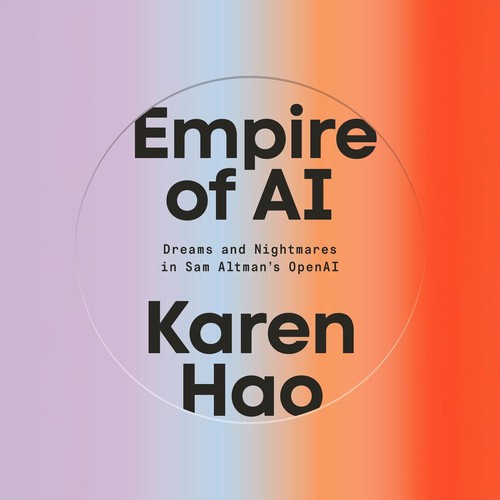
The definitive piece of investigative journalism on OpenAI: 260+ interviews, the clash between safety and speed, and the attempted firing of Sam Altma
As an Amazon Associate, Zendoric earns from qualifying purchases; the price does not change for you. · all our recommended books →
By Tech Xplore · July 1, 2026.
The material available on this piece is brief: it confirms, based on academic research, that relationships between humans and conversational artificial intelligences are a real phenomenon and not a marginal curiosity, and that this phenomenon comes with identifiable risks. We have no figures here, no methodology and no exact institution behind the study, so we prefer not to invent details that are not in the material and to focus on what we do know solidly: that this is a debate that can no longer be treated as anecdote.
The context is relevant. In recent months evidence and warnings have been accumulating from bodies such as the American Psychological Association and leading medical publications about the effect of companion chatbots on emotional development, especially in adolescents: emotional dependence, reinforced isolation, constant validation without friction (something no human relationship offers) and, in the most notable cases, a bond that replaces rather than complements real social contact. In general, the 'companion apps' sector —applications explicitly designed to generate emotional attachment— has grown fast precisely because it addresses a genuine need for company and being heard, but it does so with a product optimized to maximize usage time, not the user's wellbeing. That tension between business model and mental health is the core of the problem.
Our reading is that it is worth clearly distinguishing two things the public debate tends to blur. On one side are 'AI relationships': affective or even romantic bonds with a chatbot, which raise legitimate concern because they offer intimacy without the frictions, limits and reciprocity that make a person grow in a real human relationship. On the other side are 'AI relationship managers': assistants that help manage someone's social, work or romantic life —remembering important dates, suggesting what to say in a difficult conversation, organizing a couple's calendar— without seeking to replace anyone. The genuine value of AI in this area appears when it replaces misaligned or nonexistent intermediaries (chronic loneliness without access to therapy, for example), not when it disguises itself as a partner or friend to capture attention.
In the short term, the problem is real and should not be minimized: there are vulnerable users —minors, isolated people, those going through emotional crises— for whom a chatbot without clinical supervision or design limits can reinforce harmful patterns rather than help overcome them. It is exactly the kind of transition friction our editorial line does not hide: technology arrives before the safeguards, and that carries a measurable human cost while regulation and responsible design catch up.
In the long term, however, the same kind of system that today generates poorly calibrated dependence can become a legitimate tool for emotional support and mental health —assisted therapeutic accompaniment, early detection of crises, company for those who genuinely have no alternative— if it is designed with the right goal: the user's wellbeing, not their addiction. That is the difference between an AI that impoverishes human bonds and one that frees up time and attention to cultivate them. The challenge is not to ban these relationships or simply celebrate them, but to demand that those who build them do so with the same clinical seriousness with which a medication is designed, not with the logic of a social network competing for seconds of attention.
📚 Go deeper
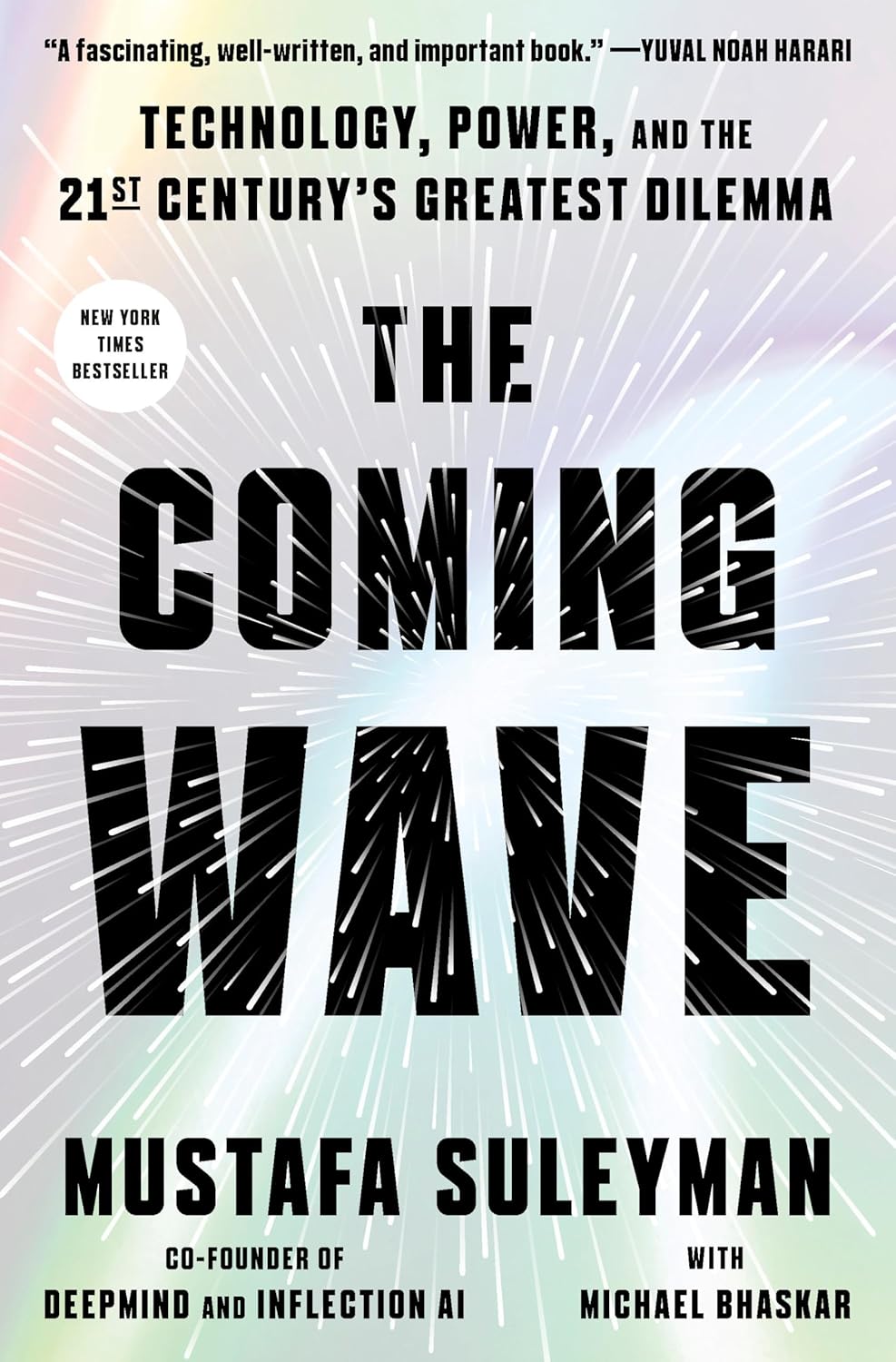
DeepMind co-founder on the dilemma of containing technologies that do not want to be contained.
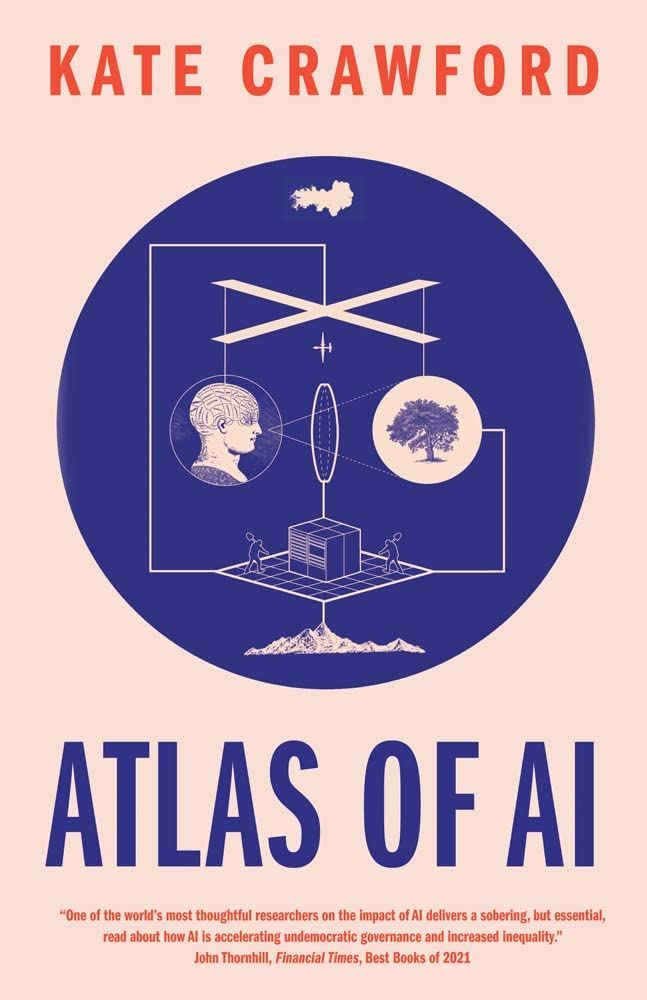
AI as an extractive industry: the lithium, the energy, the underpaid data-labeling work and the bodies behind the cloud.
As an Amazon Associate, Zendoric earns from qualifying purchases; the price does not change for you. · all our recommended books →
🔗 Related on Zendoric