China's Workarounds to Anthropic's Geo-Blocks Show Why AI Borders Are Porous by Design

🕒 Published on Zendoric: June 27, 2026 · 09:00
✨ AI-generated · how it's made
Users in China keep finding ways around Anthropic's geolocation restrictions on Claude. The cat-and-mouse game exposes a hard truth: software borders leak, and demand routes around walls.
📚 Go deeper
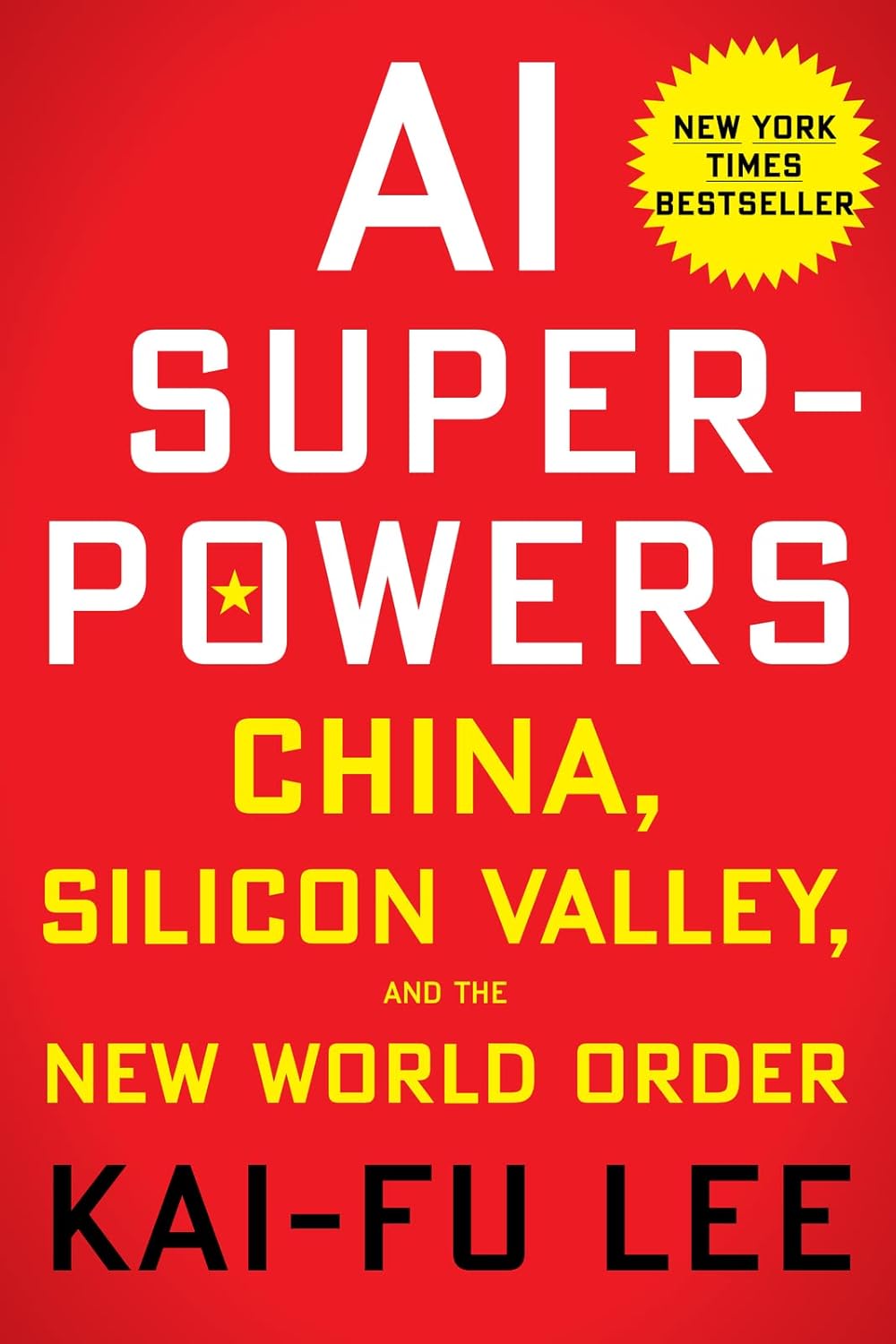
China vs.
As an Amazon Associate, Zendoric earns from qualifying purchases; the price does not change for you. · all our recommended books →
According to the reporting, people in China are repeatedly circumventing the geolocation restrictions Anthropic uses to keep Claude out of certain markets, finding fresh workarounds as fast as the company patches them.
The context matters. Geo-blocking is a blunt instrument built for a world of physical borders, applied to a technology that travels as easily as a network packet. VPNs, proxies and rerouted credentials make any IP-based wall a speed bump rather than a barrier. Anthropic faces real legal and policy pressures to limit access in some regions, but enforcement at the protocol level was never going to be airtight.
The impact cuts two ways. For Anthropic, every leak is a compliance and reputational headache, and a reminder that access controls are a process, not a one-time setting. For users on the other side of the wall, the workarounds reveal genuine, unmet demand for frontier tools that local offerings don't yet match.
Our read: in the short term, expect a grinding cat-and-mouse cycle—restrictions, evasions, patches—with no clean resolution, and the friction is real. But the deeper signal is optimistic. The hunger to reach the best AI tools, even across deliberate barriers, is exactly the global pull that will eventually push capability everywhere. The long-term trajectory of this technology is diffusion, not enclosure; the open question is whether it spreads through sane, governed channels or through the gray market. That's a policy design problem worth solving well, because the demand isn't going away.
📚 Go deeper
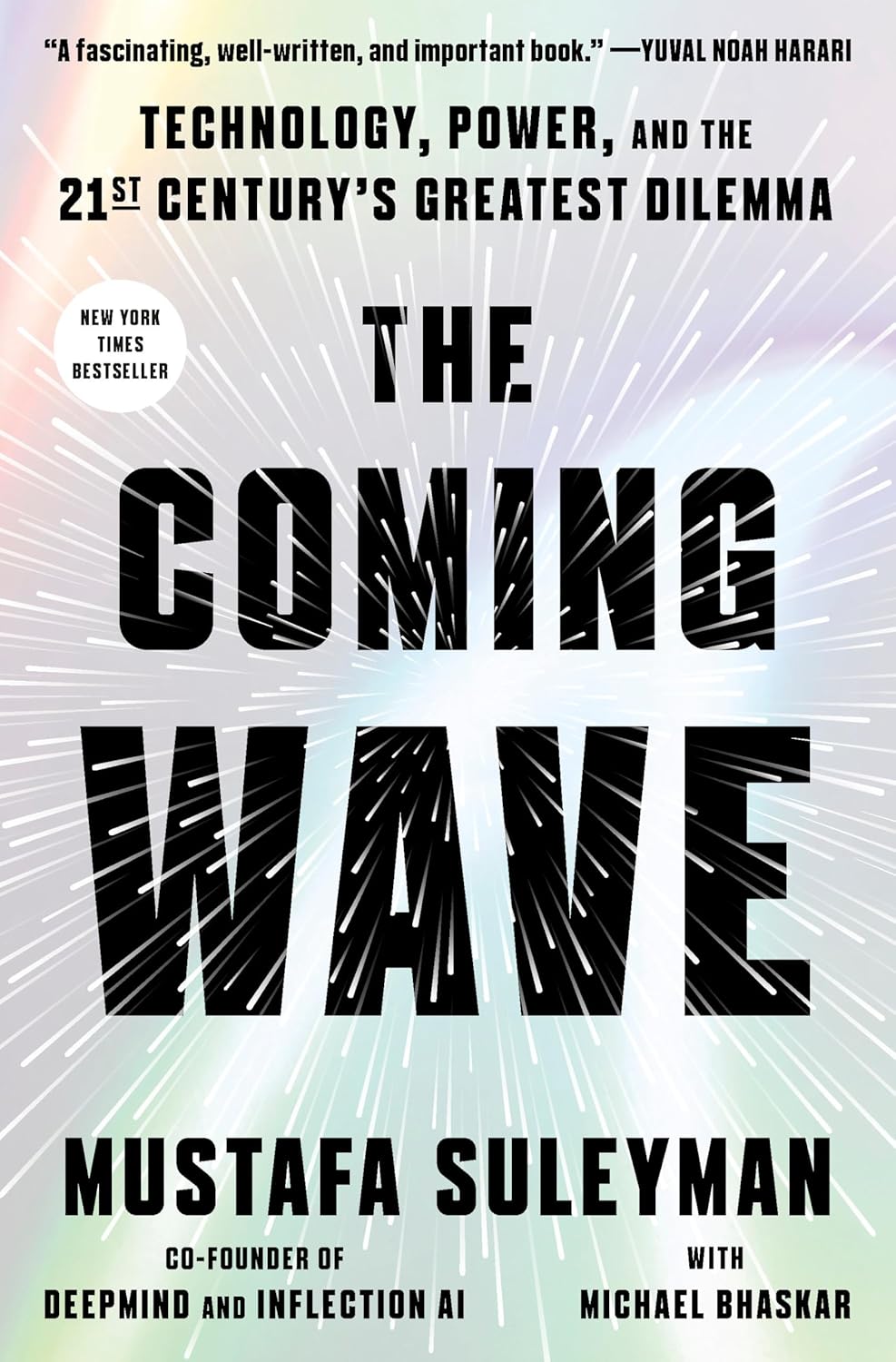
DeepMind co-founder on the dilemma of containing technologies that do not want to be contained.

The best starting book if you're not technical: a Wharton professor explains how to work WITH AI — when to delegate, when to supervise, when to keep i
As an Amazon Associate, Zendoric earns from qualifying purchases; the price does not change for you. · all our recommended books →
🔗 Related on Zendoric
- How users in China keep evading Anthropic's geographic restrictions to use Claude · 2026-07-04
- Anthropic's Qwen Distillation Claim Exposes the Real Weak Spot: API Defenses, Not China · 2026-07-14
- Anthropic's economic index reveals AI already does half the work… but its data has a huge blind spot · 2026-06-29