McKinsey's symbiotic enterprise: the real redesign isn't technological, it's organizational

🕒 Published on Zendoric: June 27, 2026 · 09:00
✨ AI-generated · how it's made
QuantumBlack proposes a model where humans and AI systems collaborate as a single working unit, not as separate departments. The concept matters less for its label than for what it concedes between the lines: AI is no longer managed as just another tool.
📚 Go deeper
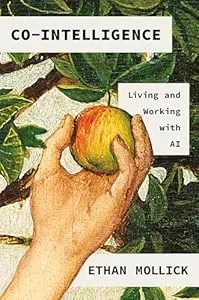
The best starting book if you're not technical: a Wharton professor explains how to work WITH AI — when to delegate, when to supervise, when to keep i
As an Amazon Associate, Zendoric earns from qualifying purchases; the price does not change for you. · all our recommended books →
In 'The Symbiotic Enterprise', signed by Dan Tinkoff and Lieven Van der Veken at the helm of QuantumBlack, McKinsey coins a term that deserves attention beyond its catchiness. The "symbiotic enterprise" describes an organization where people and AI systems work intertwined rather than operating as parallel entities that occasionally cross paths. The body of the email does not spell out the four conditions the article identifies as necessary for the model to work —they are developed in the full piece— so it is worth commenting on the idea here, not inventing its content.
What is interesting about the framework is the shift in focus it proposes. Over the past few years, the corporate conversation about AI has revolved around adoption: which model to choose, which use cases to prioritize, how to calculate the return. The concept of symbiosis pushes the debate one level higher, toward organizational design. If humans and agents are to collaborate closely, what needs redesigning is not just the technology stack but the workflows, the responsibilities and the decision boundaries between what the person does and what the system does.
The two readings McKinsey suggests alongside the main one reinforce that line. 'Agents, robots, and us' points to the "skill partnerships" between autonomous agents, robotics and workers; 'Where AI will create value—and where it won't' introduces the discipline of the counterexample, the explicit acknowledgment that not every process benefits from AI. That second piece is, in a way, the healthy counterweight to the narrative: to speak of symbiosis without delimiting where it adds no value would be pure promise.
A note of methodological caution is warranted. What arrives via the newsletter is synthetic, promotional content; the substance —the four conditions, the data, the cases— lives in the original article. The term "symbiotic enterprise" is, for now, a consultancy's conceptual framework, not a verified empirical finding, and it should be treated as such: a useful lens for organizing the conversation, not a closed recipe.
Even so, the direction it sketches chimes with what is already visible in the organizations that are ahead: AI is ceasing to be a technology department project and becoming a cross-cutting layer of how work gets done. If that transition is confirmed, competitive advantage will not be set by who has the best model, but by who has best redesigned the collaboration around it.
📚 Go deeper
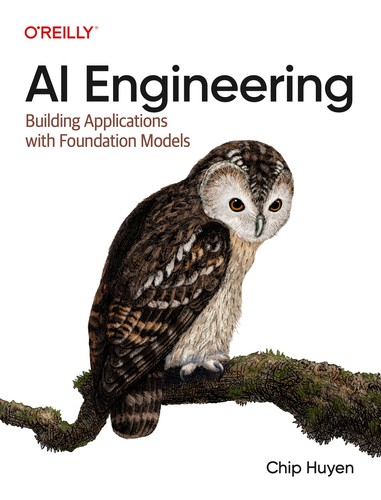
The reference manual for building products on top of AI models: prompts, RAG, fine-tuning, agents, evaluation and deployment.
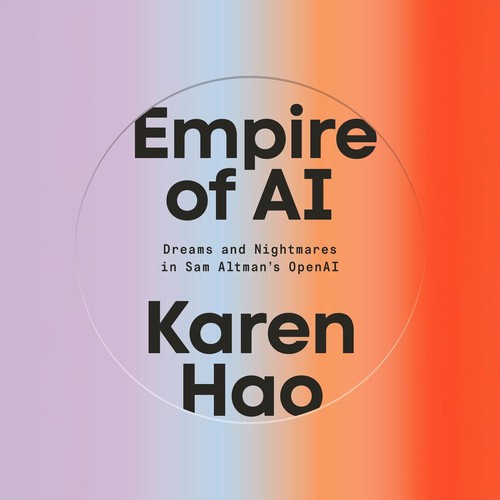
The definitive piece of investigative journalism on OpenAI: 260+ interviews, the clash between safety and speed, and the attempted firing of Sam Altma
As an Amazon Associate, Zendoric earns from qualifying purchases; the price does not change for you. · all our recommended books →
🔗 Related on Zendoric
- Google fuses perception and action in Gemini 3.5 Flash: the agent that watches the screen is no longer a separate model · 2026-06-26
- Agentic AI in customer service: the edge is no longer the model, it's the data architecture · 2026-07-02
- Oracle connects AI to its cloud policies: the battle is no longer the model, it's the plumbing · 2026-07-08