NVIDIA and biomedicine: a glimpse of the future behind a cookie wall
🕒 Published on Zendoric: June 25, 2026 · 09:00
✨ AI-generated · how it's made
The headline promised NVIDIA delving into biomedical research with AI agents, but the original article was behind a consent wall. Instead of inventing what we couldn't read, we review what is documented and why the direction matters.
📚 Go deeper
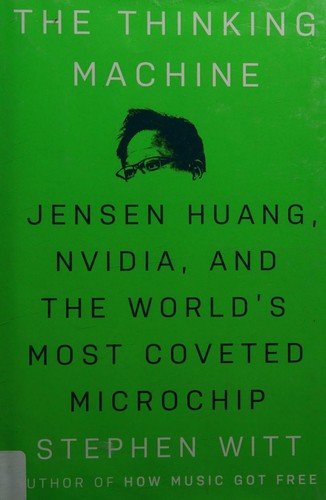
The story of NVIDIA and Jensen Huang: how a video-game card company ended up making the most coveted resource on the planet.
As an Amazon Associate, Zendoric earns from qualifying purchases; the price does not change for you. · all our recommended books →
We begin this piece with a note of editorial honesty, because we believe it is worth more than any headline. The Yahoo Finance article that the source pointed to —"NVIDIA Pushes Deeper Into Biomedical Research"— could not be read: the download returned only the cookie consent wall, with no accessible content. We will therefore not summarize figures, statements or announcements that we have not verified. In a field where the temptation to fill gaps is high, we prefer to state clearly what we know and what we do not.
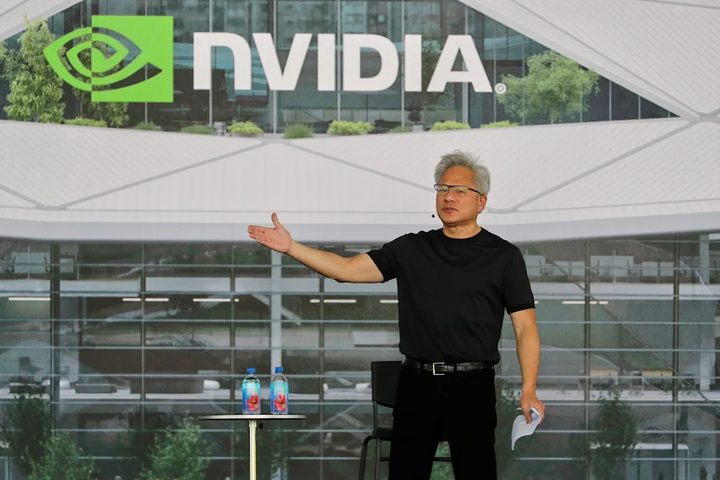
What is publicly documented from before is NVIDIA's track record in life sciences, and it draws a reasonable context for that headline. The company has spent years building a presence in the biomedical field with platforms such as Clara, aimed at medical imaging and genomics, and with collaborations intended to accelerate drug discovery through specialized models and molecular simulation. The strategic logic is coherent: to turn AI agents into something resembling a laboratory collaborator capable of automating experiments, interpreting omics data and proposing hypotheses.
Beyond the specific case, there is a reflection here that we can offer on solid ground. If NVIDIA's next frontier is biology, it fits a pattern that defines the company: selling not just chips, but complete vertical platforms wherever intensive computing meets a scientific problem of enormous value. Medicine, with its combination of massive data, costly simulation and direct potential human impact, is an almost natural candidate. And the promise is genuinely hopeful: shortening research cycles that today are measured in years could translate into therapies sooner and lower costs for health systems.
It is worth, however, keeping expectations calibrated. AI agents applied to research are a tool to accelerate and broaden human work, not to replace experimental validation or clinical trials, which will continue to set the real pace of biomedical progress. The enthusiasm is justified; miracle solutions, never.
For those who want the full detail, we recommend accessing Yahoo Finance directly by accepting the cookies, or searching for the headline on another aggregator without that consent flow. We will return to the topic when we have the full source and can comment on it with the rigor it deserves.
📚 Go deeper
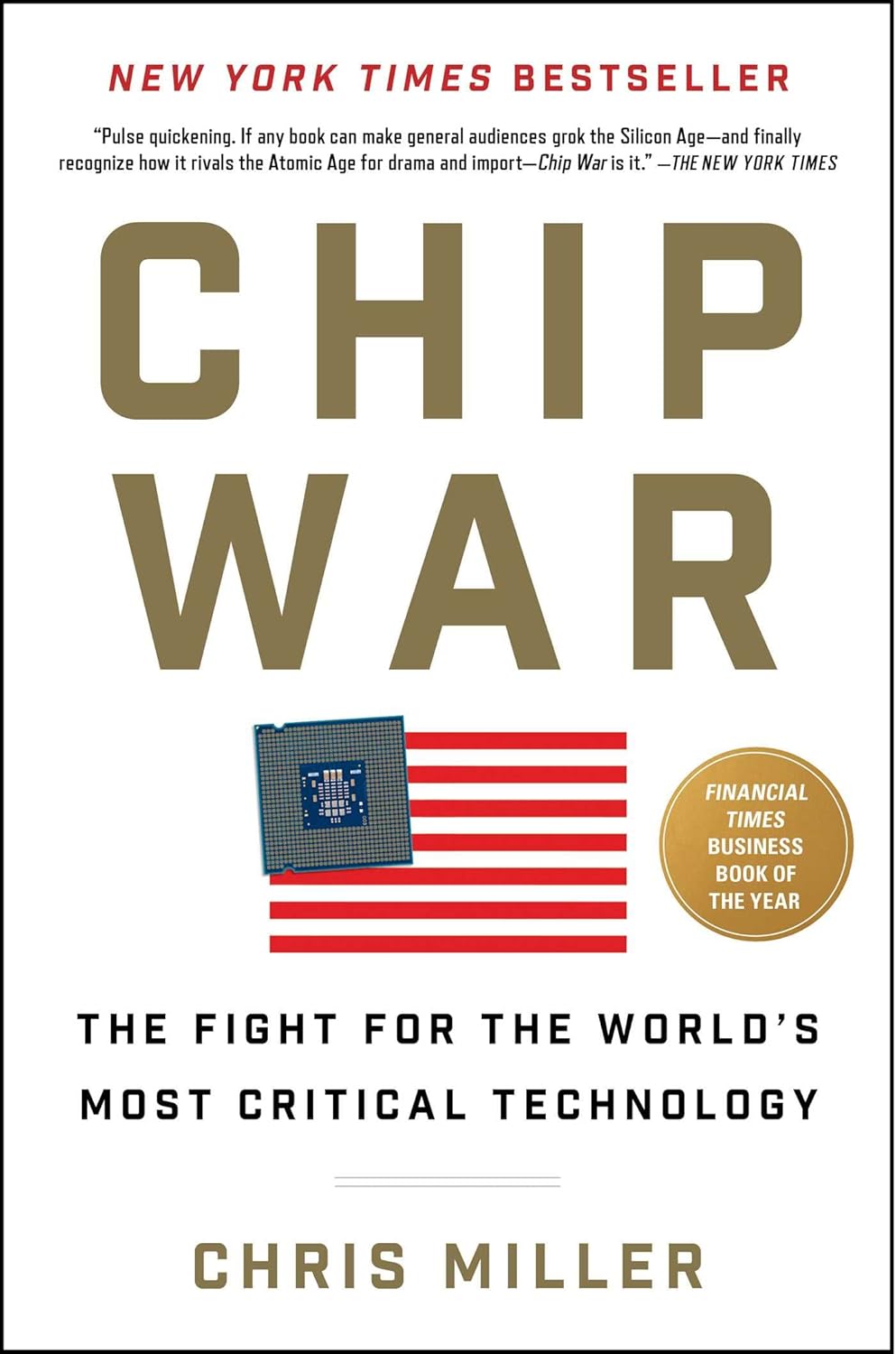
Semiconductors as the oil of the 21st century: history, espionage, and why an island of 23 million people underpins the entire AI economy.
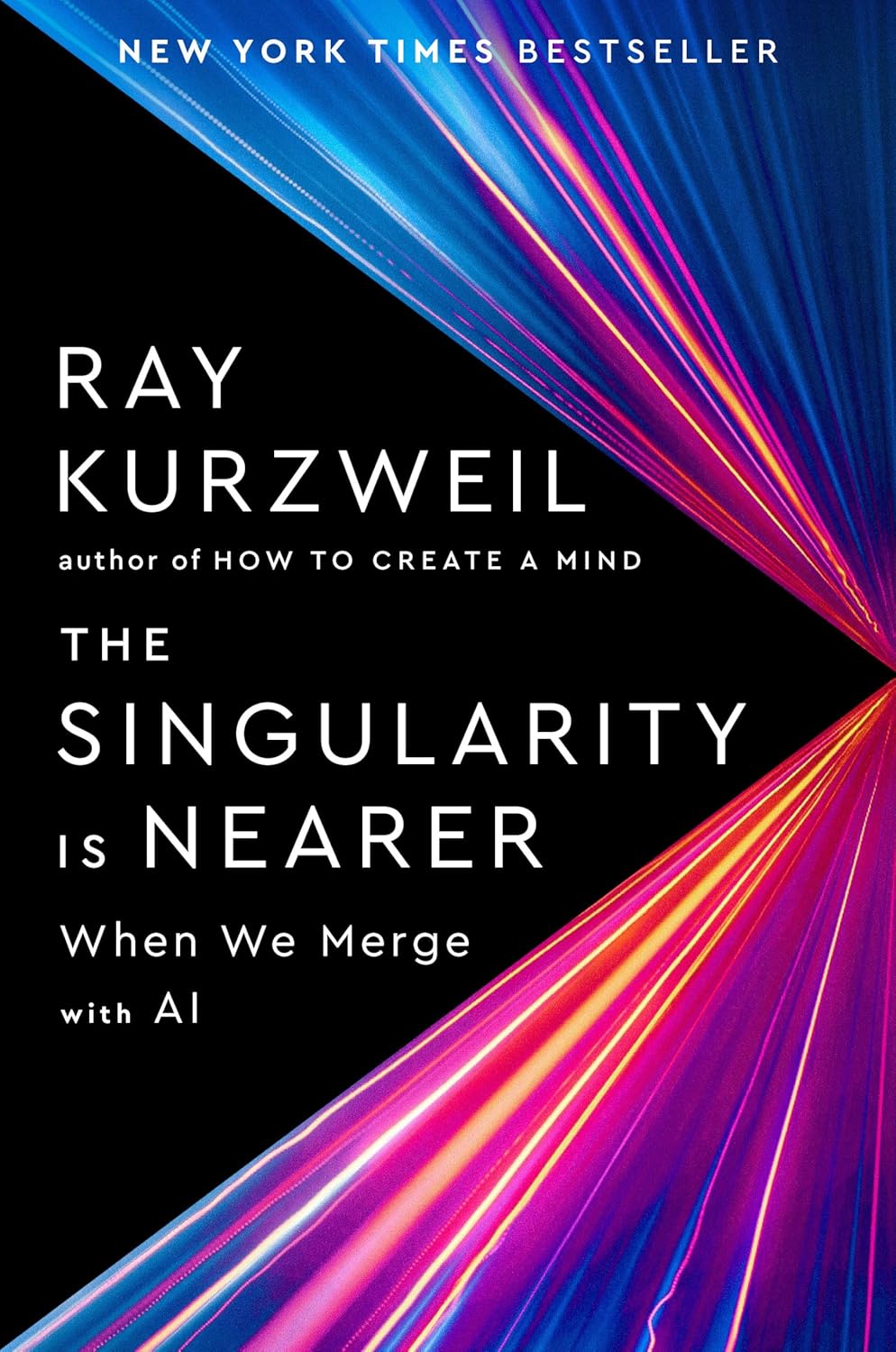
Twenty years after "The Singularity Is Near", Kurzweil revisits his predictions and keeps the date: human-AI merger around 2045.
As an Amazon Associate, Zendoric earns from qualifying purchases; the price does not change for you. · all our recommended books →
🔗 Related on Zendoric