Oracle's 21,000 Cuts: The 'SaaSpocalypse' Is the Painful Middle Chapter, Not the Ending
🕒 Published on Zendoric: June 24, 2026 · 09:00
✨ AI-generated · how it's made
Oracle is reportedly cutting 21,000 jobs, trading human talent for AI tech in what's being called the 'SaaSpocalypse.' It's a stark reminder that the transition to AI will be felt in paychecks before it's felt in prosperity.
📚 Go deeper
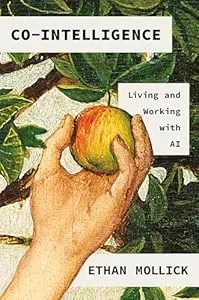
The best starting book if you're not technical: a Wharton professor explains how to work WITH AI — when to delegate, when to supervise, when to keep i
As an Amazon Associate, Zendoric earns from qualifying purchases; the price does not change for you. · all our recommended books →
The reported facts are blunt: Oracle is cutting 21,000 jobs, described as the software giant trading human talent for AI technology amid what's being labeled the 'SaaSpocalypse'—a reckoning for the traditional software-as-a-service model.
This is the part of the AI story that deserves none of the easy cheerleading. Behind a headcount figure are tens of thousands of careers, and the framing of 'trading talent for tech' captures a genuine anxiety: that AI's first visible economic act is subtraction, not addition. The SaaS business model that powered a generation of enterprise software is being rewritten as AI changes both how software is built and what customers are willing to pay for.
The impact extends beyond Oracle. When a giant restructures around AI, it sets a template competitors feel pressured to follow, and the disruption ripples across an entire industry's labor market. Short term, this is real pain, and pretending otherwise would be dishonest.
Our reading: we hold two truths at once. The transition is genuinely disruptive, and workers are right to feel the ground shifting—this is the hard, near-term cost of a technology shift, and it should be met with retraining, support, and honesty rather than spin. But we resist the catastrophist conclusion. Every major productivity leap has destroyed categories of work while ultimately expanding what's possible; the danger is in the gap between the two, not in the destination. The long-term promise of AI is abundance that frees people to work on what they're passionate about—but that future is not automatic, and layoffs like these are the unglamorous middle chapter we have to navigate well. The question isn't whether the disruption is real. It's whether we build the bridges to carry people across it.
📚 Go deeper
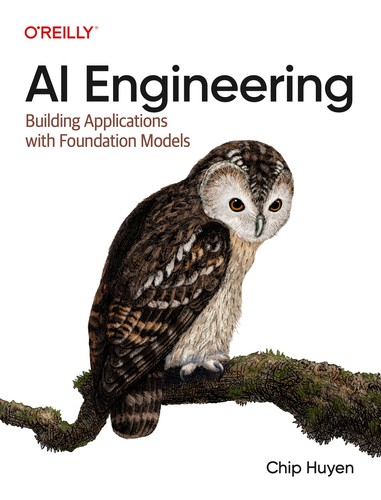
The reference manual for building products on top of AI models: prompts, RAG, fine-tuning, agents, evaluation and deployment.
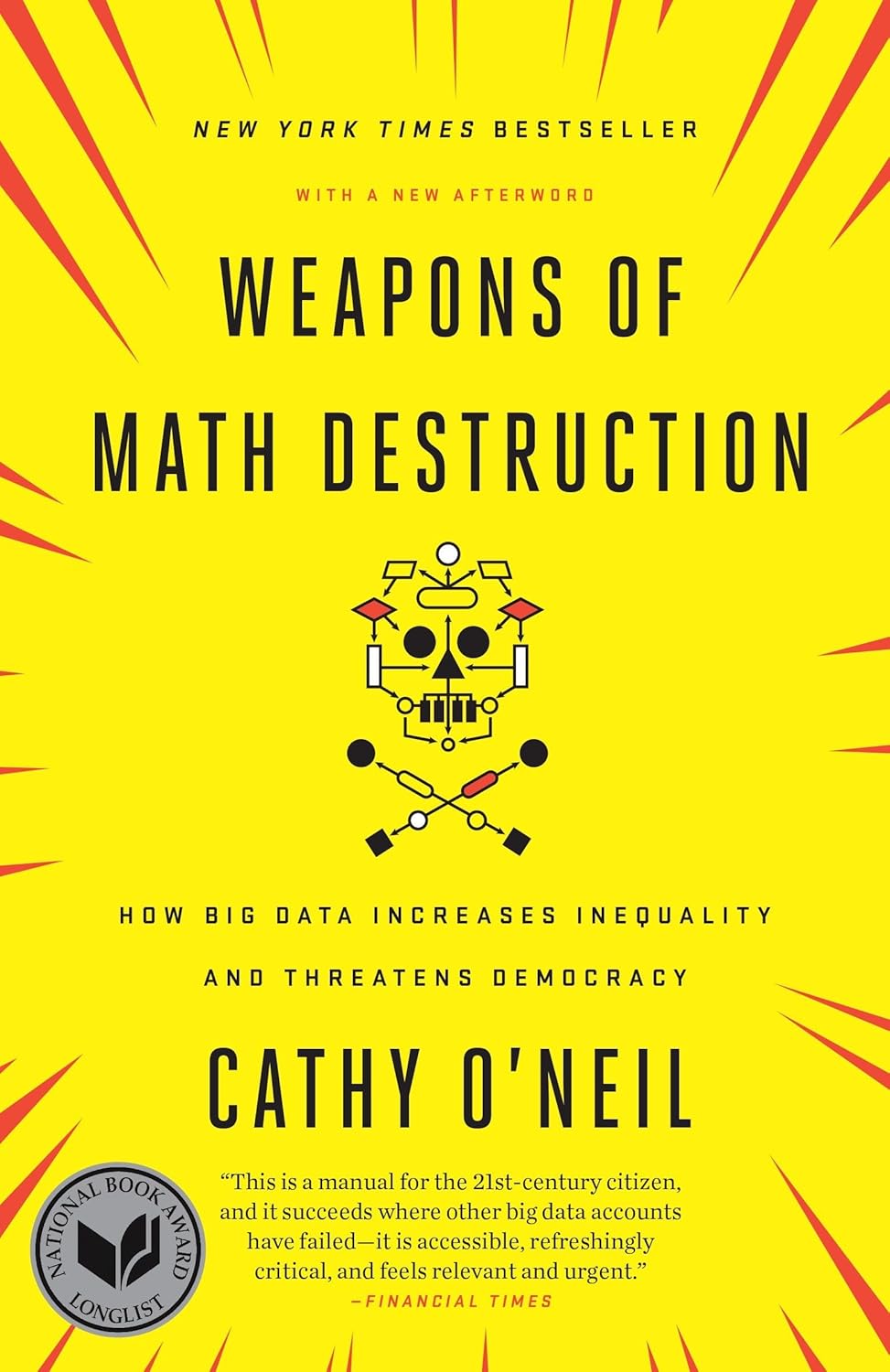
How opaque algorithms decide who gets credit, a job or parole — and why they tend to punish the same people.
As an Amazon Associate, Zendoric earns from qualifying purchases; the price does not change for you. · all our recommended books →
🔗 Related on Zendoric