Garfield AI wins the first case in England: justice for 'small claims' finally finds a viable model

🕒 Published on Zendoric: June 24, 2026 · 09:00
✨ AI-generated · how it's made
A consultancy paid about 400 pounds to an AI-based legal firm and recovered 7,000 before an English court. The milestone isn't that the machine argues on its own —it didn't— but that it opens the closed door of low-value litigation. And it does so within a regulated framework.
📚 Go deeper
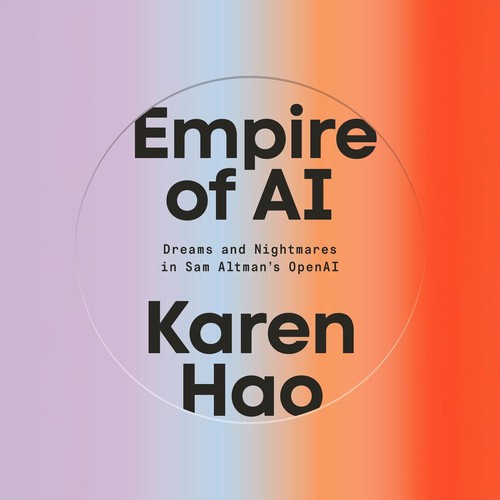
The definitive piece of investigative journalism on OpenAI: 260+ interviews, the clash between safety and speed, and the attempted firing of Sam Altma
As an Amazon Associate, Zendoric earns from qualifying purchases; the price does not change for you. · all our recommended books →
There are figures that tell a story on their own. According to The Guardian, Tamires Camal Taquidir, a freelance HR consultant, turned to Garfield AI to recover an unpaid debt of £7,000 and paid around £400 for the entire process. The Wandsworth County Court ruled in her favour on 14 May 2026. It is, according to the published information, the first time an English legal proceeding has ended in victory thanks to the work of a law firm built on artificial intelligence.
It is worth reading the case precisely, because that is where its true value lies. Garfield AI handled the preparation: analysis, letter of claim, written submissions, the drafting of four witness statements and the dossier for a three-hour hearing. But the oral representation was taken on by Dominic Li, a human barrister, who told the Guardian that the courtroom defence 'remained essential and a fundamentally human exercise'. We are not, therefore, looking at a machine that litigates on its own, but at a division of labour: AI where it is strong —processing documents and structuring arguments— and the person where responsibility cannot be delegated.
What really changes here is the economics of access to justice. The small claims segment —between £30 and £10,000, according to Garfield's model— has historically been a black hole: amounts too low to justify conventional fees, but high enough to hurt a freelancer or a small business. When litigating costs more than what one expects to recover, many people with a valid legal claim simply give up. A platform that charges £400 to handle a £7,000 claim rewrites that calculation. Co-founder Philip Young described it as a 'historic moment' for access to justice; without falling into hype, the argument has merit.
The contrast with another recent episode is illuminating. According to the same reporting, the law firm Pinsent Masons reported itself to the Solicitors Regulation Authority after misleading a court on two occasions by relying on the output of an internal AI system —the dreaded 'hallucinations'. The reading is clear: the problem is not AI itself, but AI without governance. Garfield has operated with the SRA's express authorisation since April 2025 and keeps a human at the critical point; the giant failed by trusting too much without sufficient oversight. Same material, opposite outcomes.
For anyone following agentic AI, this is one of the cleanest examples available to date. We are not talking about a chatbot that suggests clauses, but about an agent that decides litigation strategy, drafts documents with real legal effects and coordinates with the judicial system, all within a defined regulatory perimeter. That design —bounded autonomy, human oversight at the sensitive link, a regulator in the loop— is probably more exportable than the technology itself. The question is no longer whether AI can win a case, because it has. The question is how fast the model scales and where the boundary will be set between preparing the case and defending it in the courtroom.
📚 Go deeper
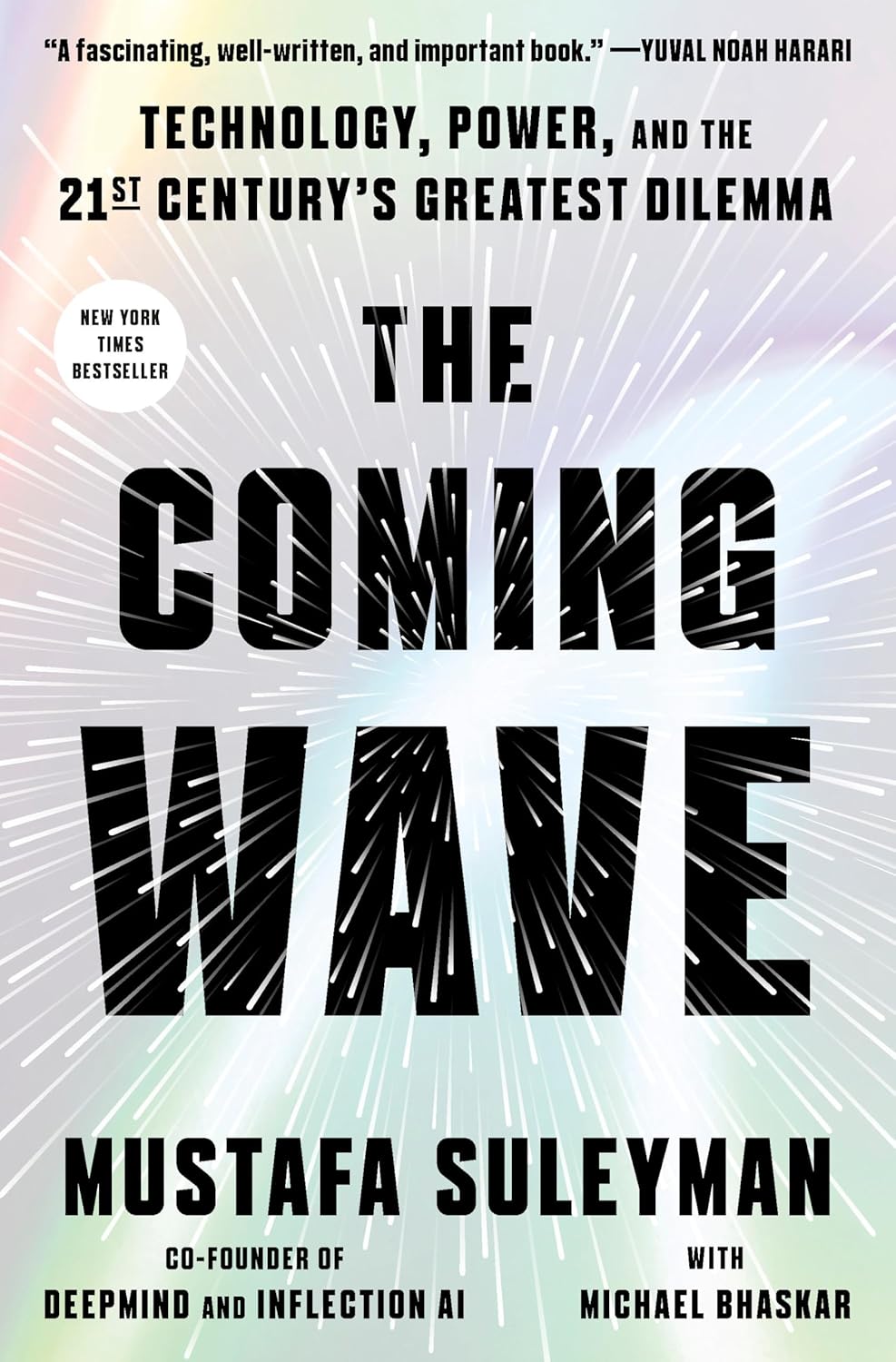
DeepMind co-founder on the dilemma of containing technologies that do not want to be contained.
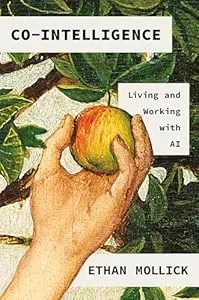
The best starting book if you're not technical: a Wharton professor explains how to work WITH AI — when to delegate, when to supervise, when to keep i
As an Amazon Associate, Zendoric earns from qualifying purchases; the price does not change for you. · all our recommended books →
🔗 Related on Zendoric