Healthtech crosses the pilot threshold: the test is no longer whether it works, but whether it scales

🕒 Published on Zendoric: June 24, 2026 · 09:00
✨ AI-generated · how it's made
A round of announcements in mid-2026 sketches a healthcare sector leaving demo projects behind and entering at-scale deployments: virtual observation with measurable results, agentic AI plug-in for contact centers, and federal interoperability as the new playing field.
📚 Go deeper

The best starting book if you're not technical: a Wharton professor explains how to work WITH AI — when to delegate, when to supervise, when to keep i
As an Amazon Associate, Zendoric earns from qualifying purchases; the price does not change for you. · all our recommended books →
For years, healthcare technology was trapped in pilot limbo: promising demos that rarely survived the leap to production. The reading offered by MarketScale on the mid-2026 announcements suggests that this stage is being left behind, and that the bar has shifted from "does it work?" to "does it scale?"
The most compelling case comes from Prime Healthcare, a nonprofit system with 55 hospitals in the U.S., which is extending Collette Health's virtual observation across its entire network after a pilot at Paradise Valley Hospital that, as reported by Fierce Healthcare, reduced patient falls in medical-surgical units by 84%. Its CEO, Holly Miller, described the alliance as a "strategic foundation for the comprehensive transformation of virtual care," and the company says it has worked with more than 185 hospitals and generated $3.96 billion in savings. The 84% figure is the key: falls are among the most costly adverse events—legally and clinically—in U.S. hospitals, and a result of that magnitude explains why Prime jumped straight to network-wide adoption, and even to virtual nursing, without asking for a second validation cycle.
On the AI front, the alliance between the agentic platform Hyro and contact-center provider Five9 illustrates another trend: turnkey integration. According to Fierce Healthcare, the deal makes Hyro the first provider accredited by Five9 for the healthcare sector, reducing the time needed to integrate AI agents into existing infrastructure. Five9's Jess Shea summed it up by saying that health systems "no longer have to choose between a robust contact center platform and purpose-built agentic AI." The nuance matters: Hyro is not selling a replacement for the contact center, but a layer on top of what is already installed. That lowers the friction of organizational change, precisely the point where—according to a survey also cited by the publication—so many healthcare organizations remain stuck when moving AI from concept to practice.
Epic Systems, the king of the electronic health record, makes its move in a third direction with EpicOps and its first application, Teamwork, focused on staff scheduling and resource planning. It is a deliberate foray into terrain that belonged to providers specialized in workforce management. Epic's bet is consolidation: fewer external vendors and tighter data loops between the clinical and the operational. It makes sense, although it also reopens an old debate: the more territory a dominant platform occupies, the more convenient it becomes for the hospital and the harder it is for specialized competitors to differentiate themselves.
Viewed as a whole, the thread that stitches these moves together is not a spectacular algorithmic breakthrough, but something more prosaic and more decisive: deployment maturity. Auditable results, integrations that do not require reinventing infrastructure, and vendor consolidation are the ingredients of a technology that stops promising and starts operating. For a sector strained by costs and staff shortages, that transition from the laboratory to the hospital floor is probably the most valuable news of all.
📚 Go deeper
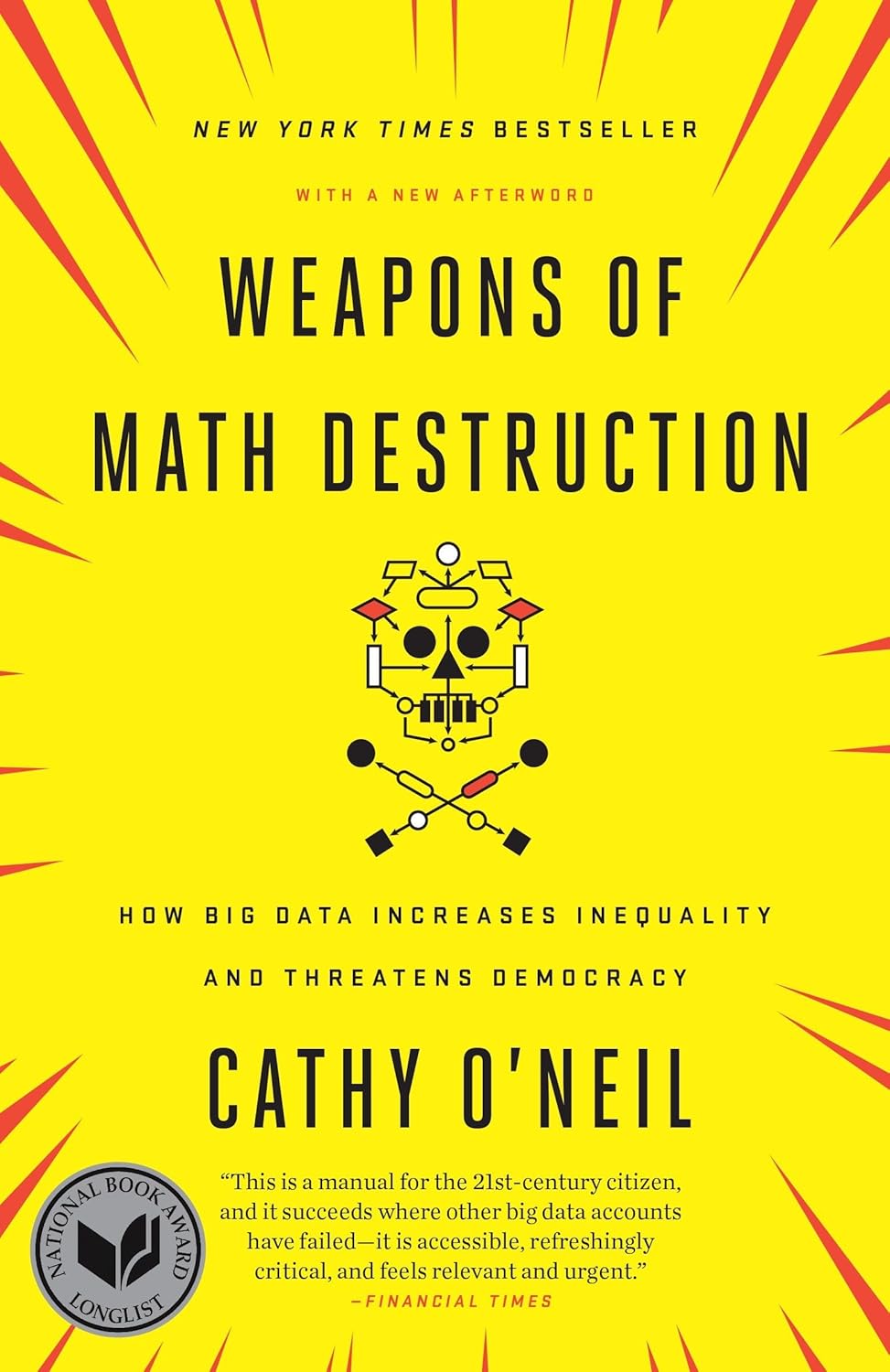
How opaque algorithms decide who gets credit, a job or parole — and why they tend to punish the same people.
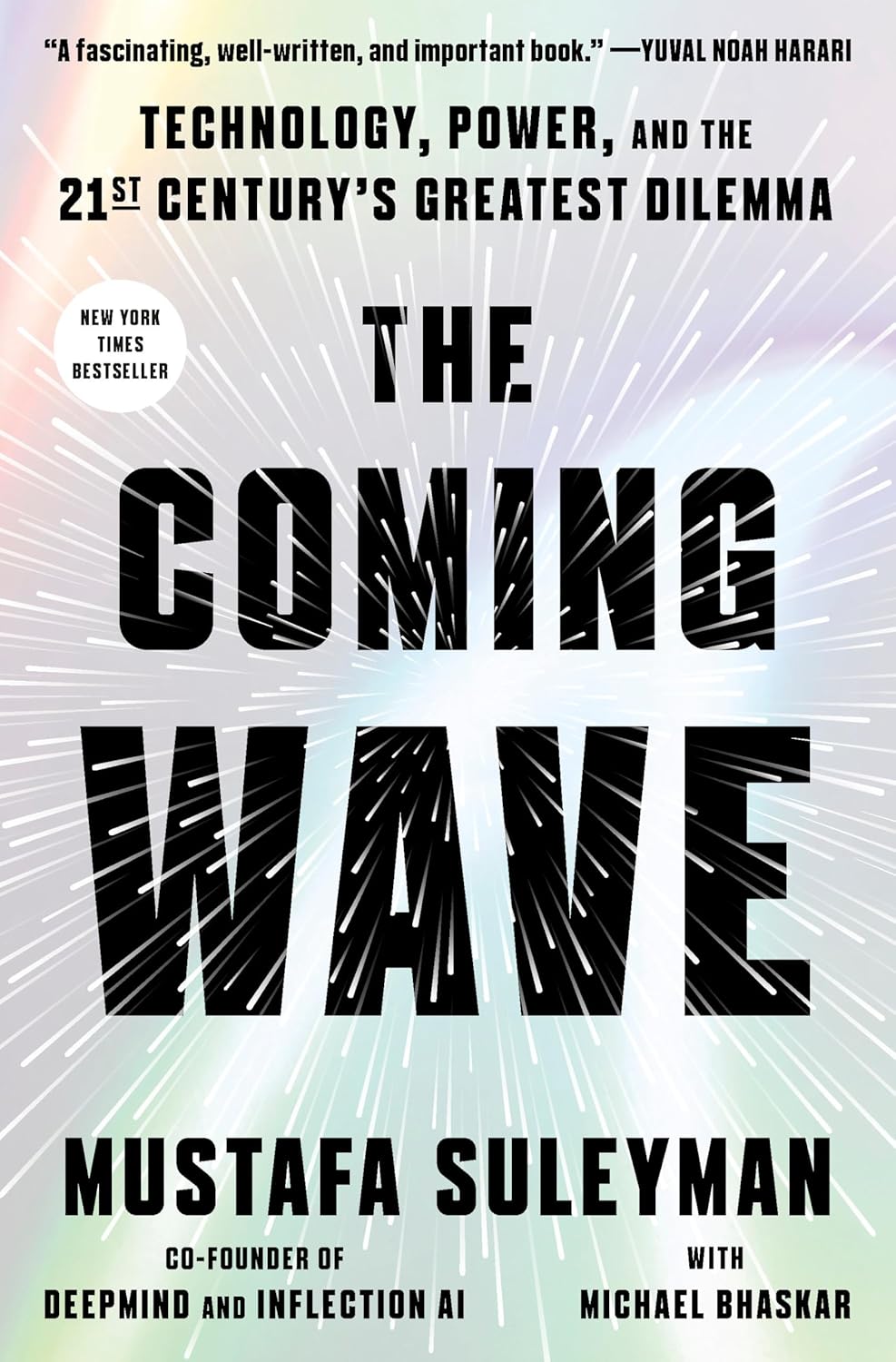
DeepMind co-founder on the dilemma of containing technologies that do not want to be contained.
As an Amazon Associate, Zendoric earns from qualifying purchases; the price does not change for you. · all our recommended books →
🔗 Related on Zendoric
- Agentic AI in customer service: the edge is no longer the model, it's the data architecture · 2026-07-02
- Kyndryl and AWS expand their alliance: the agentic AI race is no longer about the model, but about who governs it · 2026-07-12
- The brain drain from Google to OpenAI and Anthropic shows that in AI money is no longer enough to retain talent · 2026-06-25