CU Boulder imposes an AI 'driver's license' before giving ChatGPT to its students

🕒 Published on Zendoric: July 17, 2026 · 00:24
✨ AI-generated · how it's made
The University of Colorado Boulder delayed student access to ChatGPT Edu in spring over privacy and cost concerns; now, before reactivating it in August, it will require completing a mandatory training module. It's the first visible sign that AI literacy is becoming an access requirement, not an option.
📚 Go deeper
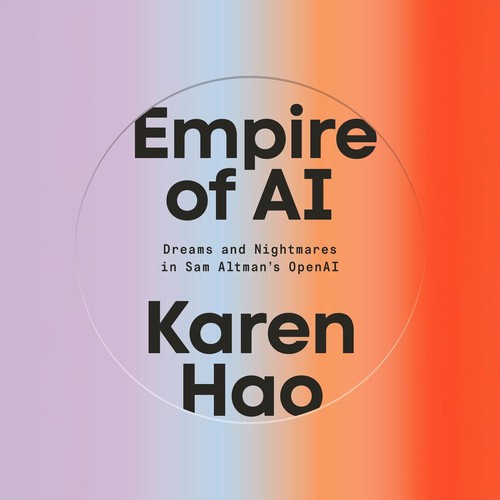
The definitive piece of investigative journalism on OpenAI: 260+ interviews, the clash between safety and speed, and the attempted firing of Sam Altma
As an Amazon Associate, Zendoric earns from qualifying purchases; the price does not change for you. · all our recommended books →
By GovTech (Daily Camera) · July 16, 2026. Starting in August, no student at the University of Colorado Boulder will be able to use the institutional version of ChatGPT without first completing a mandatory training module. Faculty and staff already have access; students will get it too, but through a new gateway. The detail that puts the measure in context is the delay: CU Boulder had signed a $2.1 million contract with OpenAI and planned to open ChatGPT Edu to the entire community in March, but postponed it after complaints from the campus itself about privacy, academic misuse and cost. That several-month pause, and the mandatory training that follows it, are proof that no serious institution is handing out access to these models without friction.
The governance piece is as relevant as the training itself. CU Boulder is now expanding its Strategic AI Steering Committee (created in 2024) to turn it into the central coordinating body: it will set usage guidelines, monitor compliance, allocate initiatives across research, teaching and operations, and —the nuance that interests us most— seek "more equitable" access to the tools. That equity goal is not empty rhetoric: if access to generative AI becomes a competitive advantage in the classroom (better grades, more productivity, more learning), letting only part of the student body learn to use it well reproduces exactly the inequalities we already see in the job market between those who know how to steer a model and those who do not.
Our reading is that this university episode foreshadows a pattern that will repeat in companies, schools and public administrations: generative AI is not deployed all at once, it is deployed with layers of control —contract, oversight committee, mandatory training, compliance review— because the real risks (leaks of student data, work done by the model without judgment, API bills that spiral out of control) are tangible and short-term, not hypothetical. CU Boulder's honesty in acknowledging that it delayed the launch over these concerns is worth more than any triumphalist announcement of mass adoption; it is exactly the kind of short-term friction we had been flagging in our analysis of AI's impact on education: those who learn to orchestrate the tool with judgment win, those who use it —or reject it— without understanding it lose.
In the medium term, this "training before access" model will probably become the de facto standard in higher education, in the same way that today no one considers granting access to a chemistry lab without first going through safety. The difference is that here the "lab" is a tool that hundreds of millions of people already use without any prior instruction, which makes Boulder's approach —modest, bureaucratic, unflashy— actually more responsible than that of institutions that simply turn on the tap. If Zendoric's underlying thesis is that generative AI can free up time and cognitive capacity so that people can devote themselves to what they are passionate about, the unavoidable first step is that they know how to use it well; what CU Boulder is doing, clumsy and bureaucratic as it sounds, is setting that precedent before an abundance of tools translates into a real abundance of learning.
📚 Go deeper
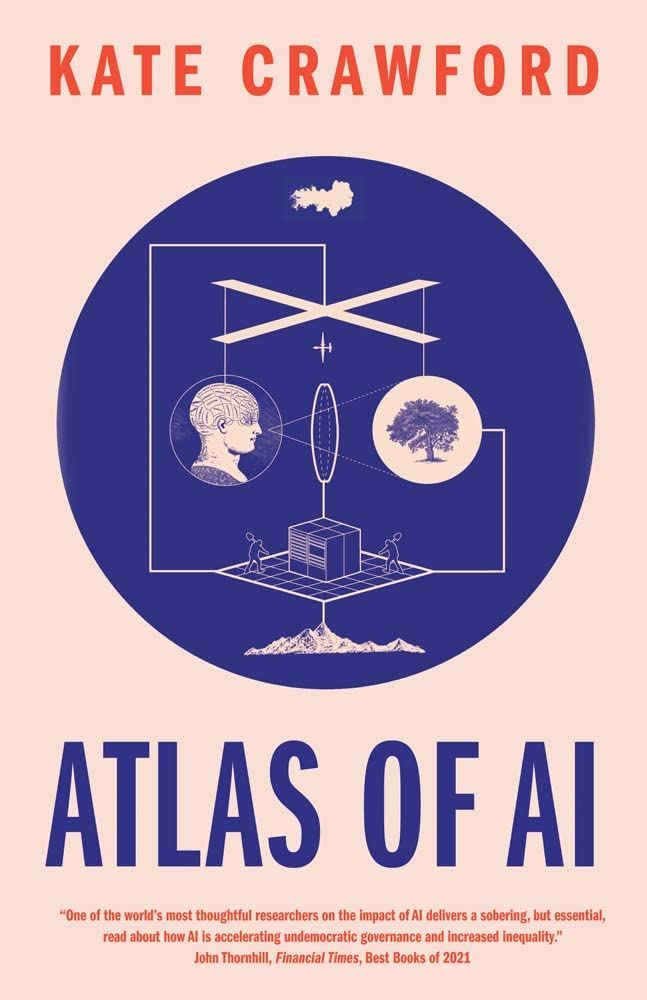
AI as an extractive industry: the lithium, the energy, the underpaid data-labeling work and the bodies behind the cloud.
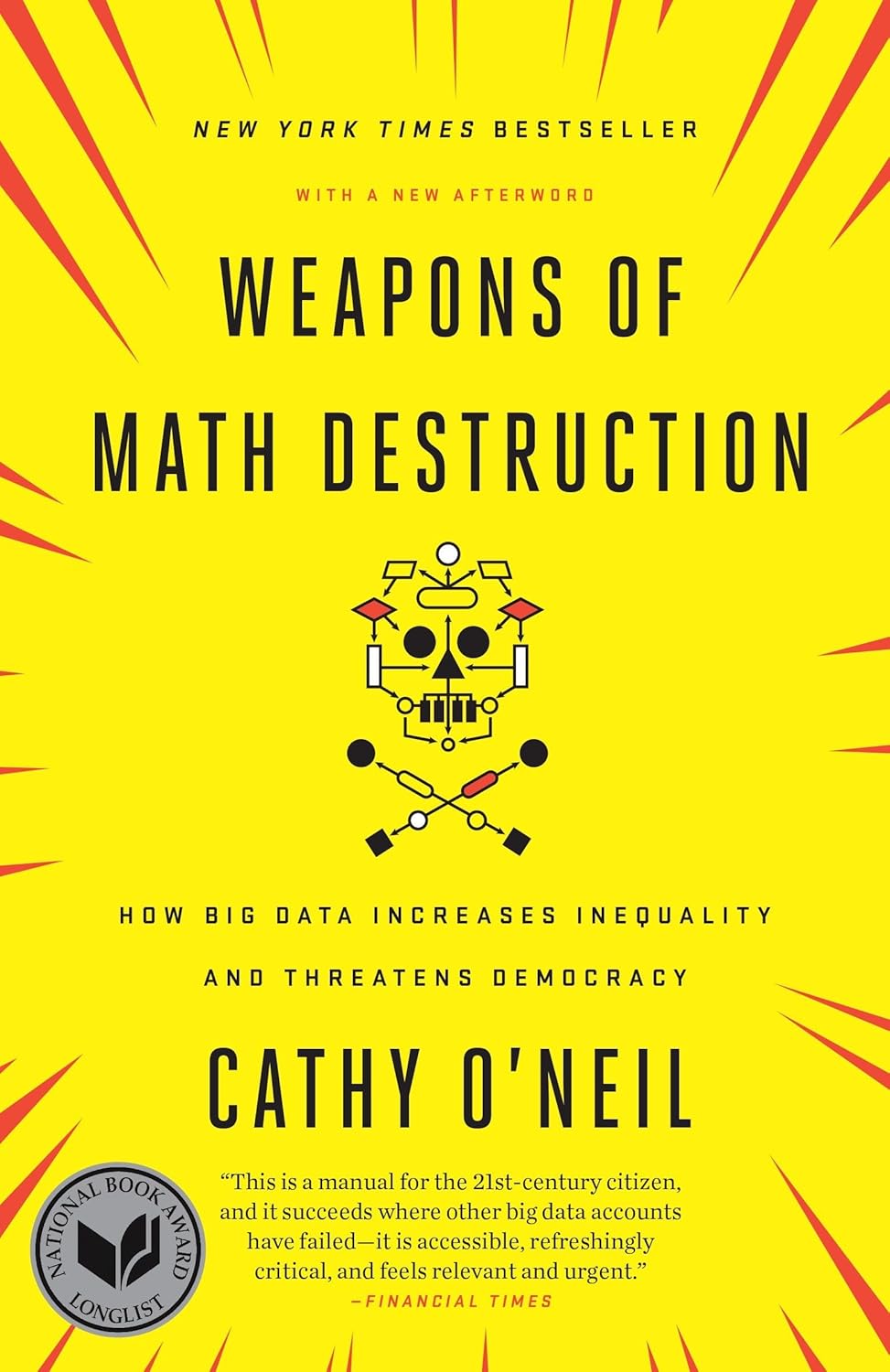
How opaque algorithms decide who gets credit, a job or parole — and why they tend to punish the same people.
As an Amazon Associate, Zendoric earns from qualifying purchases; the price does not change for you. · all our recommended books →
🔗 Related on Zendoric
- Chicago bans laptops for first-year law students: betting that human judgment, not AI, still earns the degree · 2026-07-16
- OpenAI Slows GPT-5.6 at Washington's Request: Caution Becomes Part of the Rollout · 2026-06-26
- AI doesn't create cheaters: it just makes visible an education system that was already producing them · 2026-07-01