Hong Kong now has an AI plan for the classroom; what it lacks is a plan for the teachers who don't use it

🕒 Published on Zendoric: July 17, 2026 · 00:24
✨ AI-generated · how it's made
Hong Kong's new education blueprint puts AI at the center of school policy, but a recent survey reveals that its actual adoption varies enormously by subject. The document is a good starting point, but on its own it doesn't close that gap.
📚 Go deeper
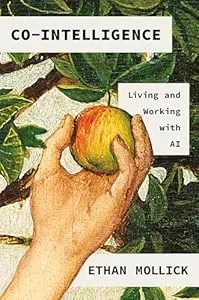
The best starting book if you're not technical: a Wharton professor explains how to work WITH AI — when to delegate, when to supervise, when to keep i
As an Amazon Associate, Zendoric earns from qualifying purchases; the price does not change for you. · all our recommended books →
By South China Morning Post · July 17, 2026.
The Hong Kong government last month presented its Blueprint for Digital Education Development in Primary and Secondary Schools, a framework that places students at the center, teachers as professionals, schools as the operational base and society as a partner. The document incorporates a pedagogical framework specifically for AI, the plan for a shared resource platform and progressive AI-literacy training for teachers. It was launched just before Digital Education Week, in a visible attempt to set the agenda.
The figure that turns the official picture on its head comes from a survey by the Our Hong Kong Foundation, conducted between July and December of last year: two-thirds of teachers say they integrate AI tools into their classes, but the figure soars or collapses depending on the subject. Some 89% of information technology teachers already use it, and in languages and sciences it hovers around 70%. In mathematics it drops to 44%, and in visual arts, music and history it barely reaches 40%. It is not a problem of access to the tool: it is a problem of what the tool is good for in each discipline and of how much confidence the teacher has to redesign the way they teach and assess.
That gap by subject is, in reality, the most honest data point in the whole piece. It confirms something we had already been observing in the education sector: AI does not enter every subject in the same way because not all subjects rely equally on verbalization, structured problem-solving or open-ended creation. A language or science teacher finds almost immediate uses —correction, practice, simulation—; a history, music or visual arts teacher has to invent the use, without a clear assessment framework to back it up. Publishing a blueprint is easy; redesigning the curriculum subject by subject, with learning objectives that integrate AI without turning it into a cosmetic add-on, is a job of years, not of an administrative memo.
Our reading is that this Hong Kong episode is a microcosm of something we have already pointed out in our tracking of AI in education: the teacher who learns to orchestrate the tool wins, not the one who simply uses it or ignores it. The risk, which the article itself rightly flags, is that demanding more AI use without giving time, training and a redesign of assessment produces two equally bad outcomes: symbolic gestures that change nothing, or silent resistance from an already overloaded teaching staff. It is exactly the short-term pattern we recognize without gloss in every technological transition: whoever designs the policy from the top underestimates the cost of execution from the bottom, and that mismatch falls on the same teachers who must, on top of it, keep teaching.
In the long term, however, the thrust of the bet strikes us as correct and deserving of optimism: AI-assisted education, well implemented —with clear pedagogical frameworks, adapted assessment and real ongoing training— can personalize learning to a level unattainable today, free teachers from mechanical tasks and leave them more room for what no machine replaces: judgment, guidance and student motivation. That is, in miniature, the same pattern we expect to see repeated in other sectors: an abundance of technical capability, provided someone pays the cost of the transition. Hong Kong has taken the step of writing the plan; the real test will be whether it backs that plan with the time, money and patience that real implementation demands, subject by subject, classroom by classroom.
📚 Go deeper
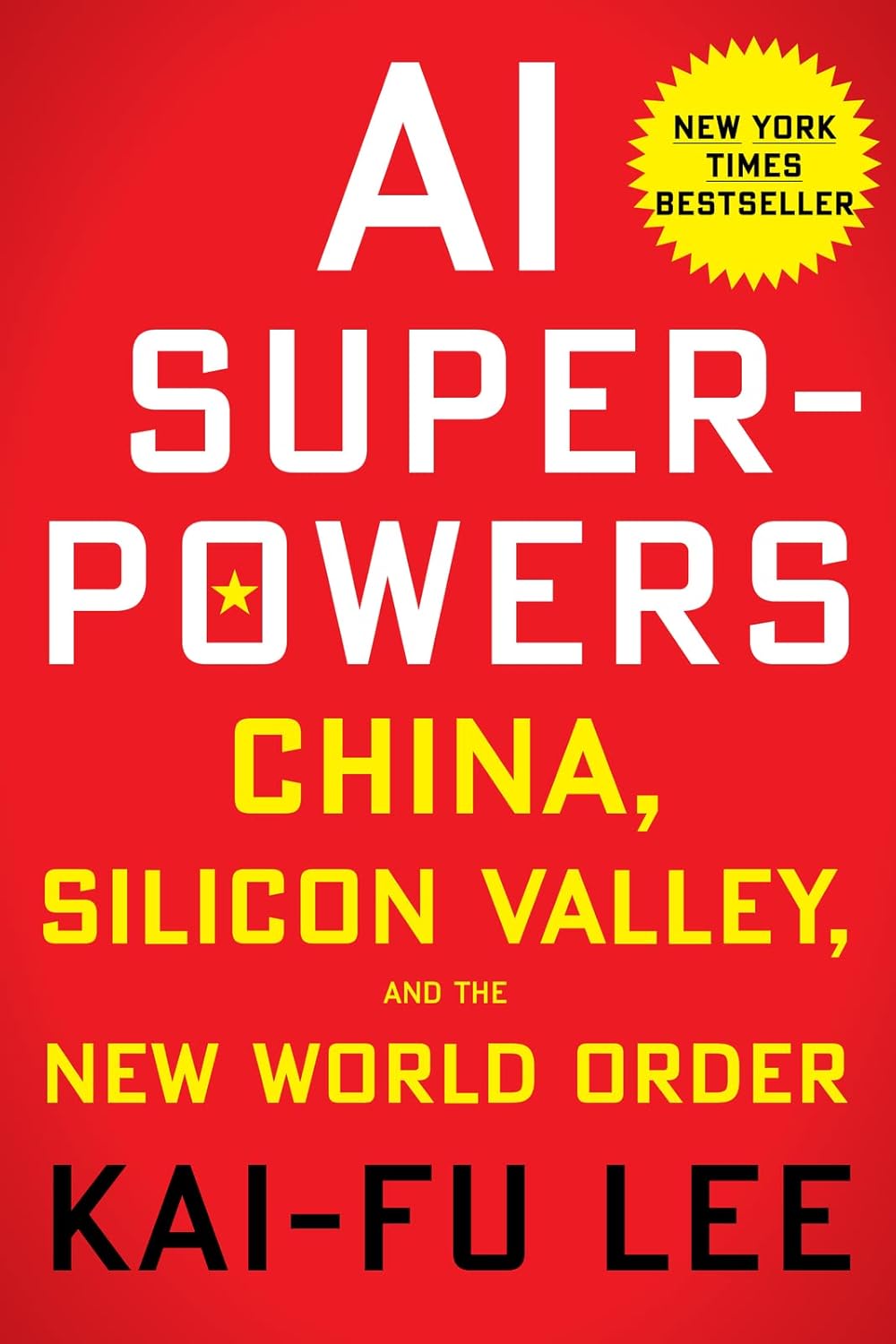
China vs.
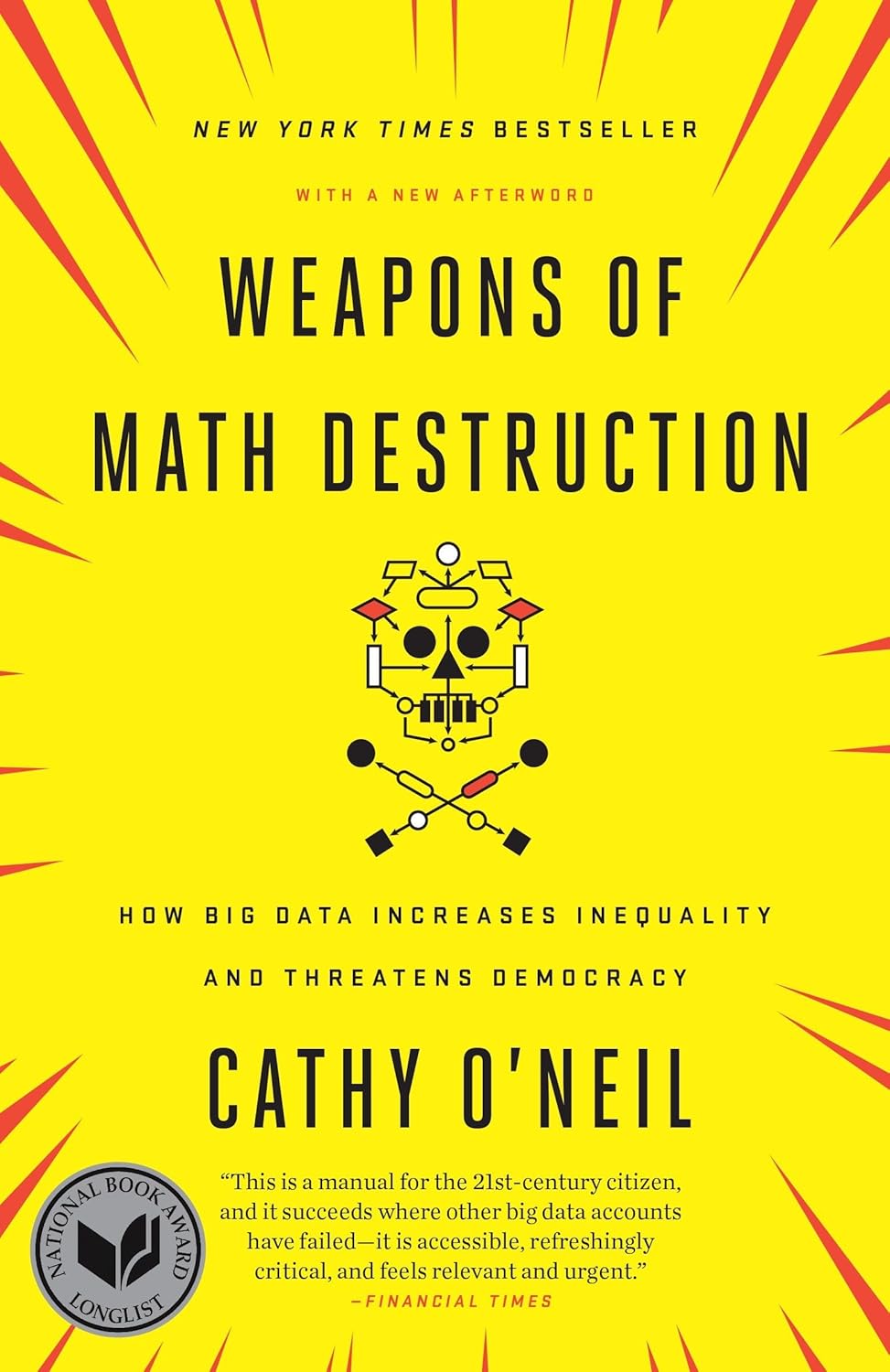
How opaque algorithms decide who gets credit, a job or parole — and why they tend to punish the same people.
As an Amazon Associate, Zendoric earns from qualifying purchases; the price does not change for you. · all our recommended books →
🔗 Related on Zendoric
- CEA launches a summer AI school for teachers: Connecticut's teachers' union embraces doubt as a method · 2026-07-01
- AI is now the majority in the classroom: 9 out of 10 university students use it, and the question is no longer whether but how · 2026-07-29
- AI to retain teachers: when the algorithm acts as a critical mirror for school principals · 2026-07-01