Claude Sonnet 5 makes agentic AI cheaper: the battle is no longer the benchmark, it's who integrates best

🕒 Published on Zendoric: July 17, 2026 · 00:24
Anthropic brings enterprise-grade agent capabilities —planning, browsing, coding— to a price far below its top-tier models. The effect isn't a smarter model, but a cheaper frontier: autonomous AI is no longer only for those who can afford it.
📚 Go deeper
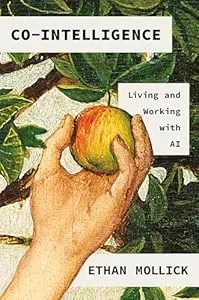
The best starting book if you're not technical: a Wharton professor explains how to work WITH AI — when to delegate, when to supervise, when to keep i
As an Amazon Associate, Zendoric earns from qualifying purchases; the price does not change for you. · all our recommended books →
By Trend Hunter · July 16, 2026.
The fact, stripped of its trend-piece wrapping: Anthropic has brought to Claude Sonnet 5 the reasoning, planning and tool-use capabilities characteristic of its high-end models, but at a noticeably lower cost. The original article gives no specific pricing figures or benchmarks —it is a trend analysis piece, not a technical report—, so it is best not to feign a precision the source does not offer. What it does describe clearly is the direction of the shift: a mid-tier model that can already browse, write and debug code, plan complex tasks and run workflows with greater autonomy, without needing the catalog's most expensive model to do so competently.
This matters because it shifts the playing field. For much of the past two years, the conversation about agentic AI revolved around which frontier model performed best on the benchmark of the moment. What this shift points to is that, once "competent agent" capability ceases to be exclusive to the most expensive models, the competitive advantage moves elsewhere: integration into the real workflow, sustained reliability on long tasks and operating cost per completed task. It is exactly the reading we have already been defending at Zendoric when analyzing quality indices versus benchmark marketing: measuring matters more than boasting, and now that principle also carries over to the terrain of price.
In general, this kind of cost reduction is the usual pattern in the generative AI curve: what was yesterday exclusive frontier capability filters down the following year to the market's middle layer. We have already seen it with Chinese open-weight models (GLM, Qwen, DeepSeek, Kimi) pushing from below; now Anthropic itself is driving that democratization from within its own closed catalog, offering in a "Sonnet" model —designed for volume, not for the showcase— features that until recently required paying for the higher tier. The practical result: small development teams, customer support areas and business operations that previously could not justify the expense of a high-end AI agent now can experiment with automating complete knowledge tasks, not just fragments of them.
Our reading: this is exactly abundance in miniature, applied to the software layer. When agent intelligence stops being a luxury reserved for those who can pay for the flagship model, the underlying effect is democratizing —it aligns with our thesis that AI, over its long trajectory, tends to cheapen access to capabilities that were once scarce. But the short term has a less comfortable side: a low-cost agent capable of "resolving complex requests while reducing dependence on costly human escalation," as the article itself says about customer service, is an elegant way of describing direct pressure on support jobs and on the entry rungs of programming. It fits with what we have already documented in our analysis of the tech sector: the routine gets automated first and more forcefully the cheaper it becomes to do so, while those who know how to integrate, govern and oversee these agents gain weight, not those who simply run them.
The piece is, at bottom, more a symptom of a market trend than a closed technical news item: there are no price figures, no benchmark comparison, no detail on which specific tasks Sonnet 5 improves over its predecessor. Even so, the direction —capable agents getting cheaper and reaching organizations that were previously left out— is consistent with what we have been observing all year: competition in AI is no longer waged only at the frontier of intelligence, but over who manages to make that intelligence work, reliably and cheaply, within the real work of each company.
📚 Go deeper
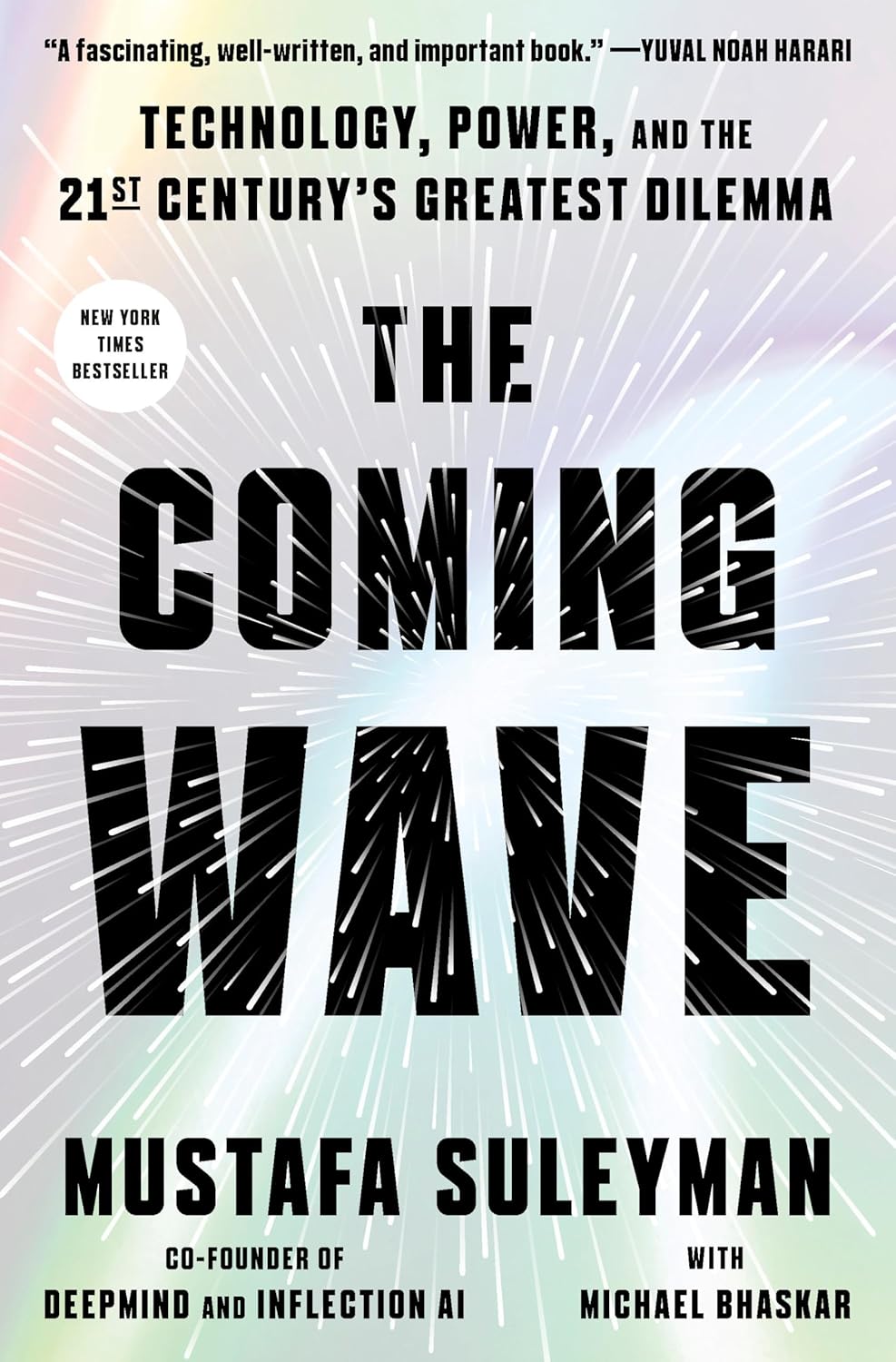
DeepMind co-founder on the dilemma of containing technologies that do not want to be contained.
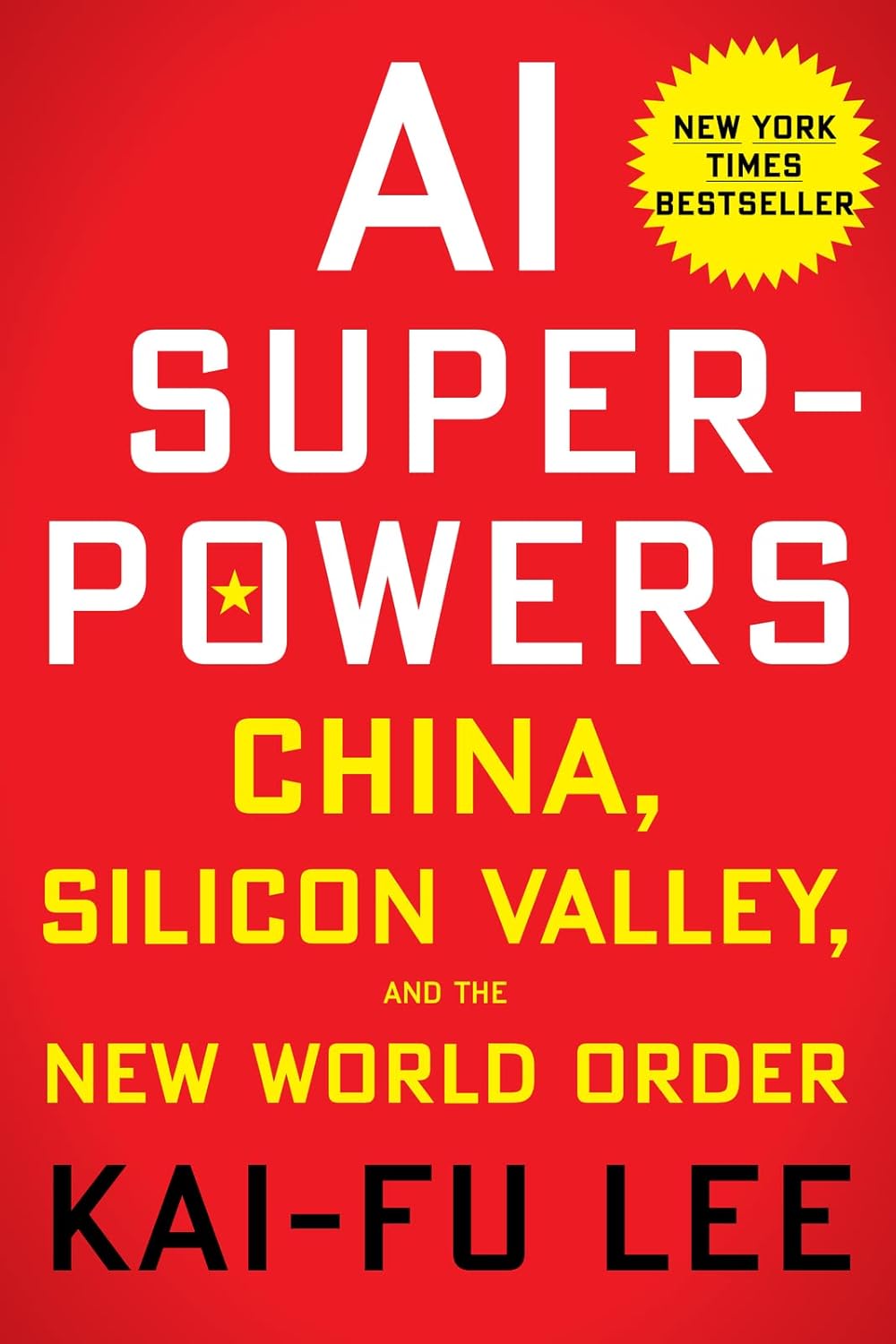
China vs.
As an Amazon Associate, Zendoric earns from qualifying purchases; the price does not change for you. · all our recommended books →
🔗 Related on Zendoric
- Claude Sonnet 5: Anthropic collapses the pricing pyramid and brings autonomous agency to the mainstream model · 2026-07-01
- Claude Sonnet 5: Anthropic brings agentic AI to the everyday user, with all the implications that entails · 2026-07-01
- Claude Sonnet 5: Anthropic brings agentic AI to the mid-range — and that changes the rules of the game · 2026-07-01